

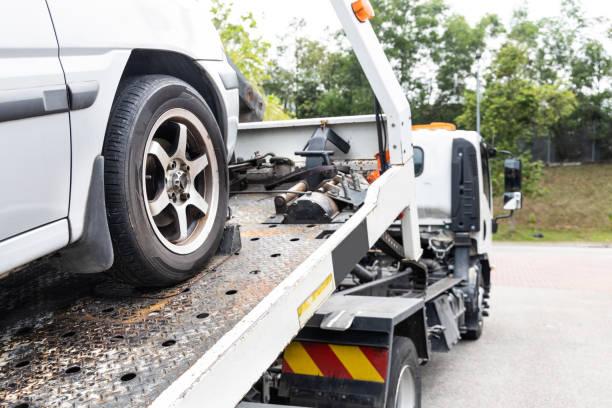
When to Call a Towing Service in Circleville, UT for Unexpected Vehicle Problems

An unexpected vehicle problem can turn a short trip through Circleville into a safety concern. A flat tire, dead battery, or warning light may leave a driver unsure whether to keep moving or pull over. The safest choice depends on the vehicle’s condition, the road, and the people nearby. In many cases, towing service in circleville, ut is the right call when driving farther could cause harm, and American Towing Service is one local option drivers may consider.
Key Takeaways
-
Stop driving when the vehicle has a serious safety problem or may cause more damage.
-
Share the exact location, vehicle details, and type of trouble when calling.
-
Keep passengers away from traffic and remain in a safe place while waiting.
-
Ask about the towing method, coverage, and any special vehicle needs.
A tow is usually needed when a vehicle cannot be moved safely or when driving it could make the problem worse. Loss of braking, smoke, leaking fluid, severe overheating, or damage from a crash all call for caution. A dead battery or flat tire may also require help if the vehicle is stopped in traffic, on a narrow shoulder, or in another unsafe spot.
When to Call a Towing Service in Circleville, UT
Drivers should call for a tow when the vehicle cannot be controlled well, has suffered major damage, or creates a danger for nearby traffic. A car with poor steering, a broken wheel, or a tire with sidewall damage should not be driven to a repair shop. The same is true for a vehicle that has lost brake power or is making a loud grinding sound.
A warning light does not always mean a tow is required, but some warnings should never be ignored. Red oil-pressure, temperature, and brake lights can point to problems that become costly or dangerous within minutes. If the engine is overheating, turning it off and waiting for professional help is safer than trying to reach the next town.
Location also matters. A vehicle parked safely in a driveway may allow time to check insurance or roadside coverage. A vehicle stopped on US-89, near a blind curve, or partly in an active lane needs faster action. Hazard lights can help, but they do not make it safe to keep driving a damaged car.
Warning Signs That Mean Stop and Call
American Towing Service,some vehicle problems are easy to spot, while others begin with a small change in sound or handling. A driver should treat a new vibration, burning smell, or sudden pull to one side as a reason to slow down and find a safe place to stop. Continuing for several miles can turn a minor repair into major vehicle recovery.
The following signs generally support a call for towing help:
-
Smoke, steam, fuel smell, or a fast rise in engine temperature.
-
Loss of braking, steering control, or stable handling.
-
Crash damage affecting a wheel, axle, bumper, or safety system.
-
A flat tire with a torn sidewall or no safe place to change it.
-
A dead battery in traffic, bad weather, or an isolated roadside location.
A driver who is unsure should avoid guessing about a serious mechanical problem. Moving the vehicle a short distance may seem harmless, but damaged brakes, suspension parts, or tires can fail without much warning. No one should attempt a repair on the traffic side of a vehicle when cars are passing nearby.
What to Check Before Calling
Once the vehicle is in the safest available spot, a clear phone call can help reduce delays. A request for Circleville roadside assistance should include more than a general statement that the car will not start. The more useful details the dispatcher receives, the easier it is to send the right equipment.
Before calling, drivers should note the following information:
-
The exact location, nearby road name, mile marker, or map pin.
-
The vehicle’s make, model, year, color, and license plate if available.
-
The problem, such as a flat tire, collision, overheating, or no-start condition.
-
Whether the vehicle is blocking traffic and whether all wheels can roll.
-
Any special needs, including all-wheel drive, low clearance, or a locked steering wheel.
A phone map can help a driver share a precise location, especially outside the town center. Taking a quick photo of the vehicle and its surroundings may also help explain the situation, but safety should come before photography. Drivers can ask about estimated arrival time, required access, and whether the service accepts insurance or membership plans.
How to Stay Safe While Waiting for Flatbed Towing in Circleville
Waiting beside a disabled vehicle can be risky, especially when traffic is moving nearby. When a flatbed towing service(435) 231-1116 in Circleville is on the way, drivers should take precautions to protect themselves, their passengers, and other road users. Choosing a safe location is important while waiting for the flatbed tow truck to arrive.
Important safety steps include:
-
Turn on hazard lights if the vehicle's electrical system is working and it is safe to do so.
-
Move passengers away from moving traffic, preferably behind a safety barrier or well off the roadway.
-
Stay inside the vehicle with seat belts fastened if exiting would create a greater safety risk.
-
Keep children and pets away from the roadside and the flatbed tow truck's loading area.
-
Inform the towing dispatcher if the vehicle's position changes, weather conditions worsen, or anyone gets injured.
-
Avoid standing behind or around the disabled vehicle while the flatbed operator prepares to load it.
If a vehicle is stopped in an active traffic lane, contact emergency services when there is an immediate danger. On US-89 or other busy roads around Circleville, passengers should never walk into traffic or stand behind the vehicle to warn approaching drivers. Safety should always come first while waiting for professional flatbed towing in Circleville.
Choosing the Right Help for the Problem
The type of vehicle problem can affect the right recovery method. A simple jump-start may solve a weak battery, while a flat tire may need a tire change if the wheel and tire are undamaged. A vehicle involved in a crash or suffering steering failure may need a full tow instead of a quick roadside repair.
Drivers should mention all-wheel drive, four-wheel drive, electric power, low ground clearance, or a modified suspension before the truck arrives. Some vehicles need a flatbed or extra care to prevent damage. Asking how the vehicle will be loaded and secured is reasonable, especially when the wheels do not turn freely.
Coverage is another practical factor. Insurance policies, auto clubs, and vehicle warranties may include roadside benefits, but limits and payment rules differ. Drivers should confirm what is covered and ask about charges that may not be included. A clear discussion before service begins can prevent confusion later.
Mistakes That Can Make a Breakdown Worse
One common mistake is repeatedly trying to start an overheating engine or driving after a warning light appears. Another is accepting help from a passing motorist who suggests pushing the vehicle through traffic. Even a short push can expose people to moving cars and may damage the transmission or steering system.
Drivers should also avoid standing between the vehicle and the road, leaving keys in an unsecured car, or giving an unclear location. If a vehicle must be left, it should be locked when possible, and valuables should be removed. Keeping a charged phone, flashlight, water, and basic emergency supplies in the vehicle can make an unexpected stop easier to manage.
Frequently Asked Questions
Can a Tow Truck Help with a Dead Battery?
Yes. A towing provider may offer a jump-start, battery service, or a tow if the battery will not hold a charge. If the vehicle starts but the battery warning remains on, the driver should avoid a long trip because the alternator may also have a problem.
Should a Driver Call After a Minor Collision?
A tow may be wise if airbags deployed, a wheel is bent, fluids are leaking, or the vehicle does not track normally. Even when damage looks small, a hidden problem with steering, braking, or suspension can make driving unsafe.
What Information Should Be Ready When Calling?
The driver should have the location, vehicle details, problem description, and passenger count ready. It also helps to explain whether the car is in traffic, whether the keys are available, and whether the wheels can roll.
Is a Flat Tire Always a Reason to Request a Tow?
Not always. A spare tire and a safe work area may allow a tire change. However, a missing spare, damaged wheel, torn tire sidewall, or unsafe shoulder makes professional help the better choice.
Can an All-Wheel-Drive Vehicle Be Towed with Two Wheels Down?
It depends on the vehicle and the manufacturer’s instructions. Some all-wheel-drive systems can suffer damage when towed incorrectly. Drivers should share the drivetrain details and let the towing provider choose a safe method.
The Safest Next Step
The main decision is simple: if a vehicle is unsafe to drive, it should not be driven farther just to save time. Stopping early, sharing an exact location, and protecting passengers can limit both injury risk and vehicle damage. Careful details about the problem also help the right equipment reach the scene.
Request Help Without Delay
When a vehicle develops a serious problem, drivers should move to a safe place, share a clear location, and request the right kind of help. A local towing provider can explain whether a jump-start, tire change, fuel delivery, or full tow fits the situation. Before help arrives, drivers should keep hazard lights on when safe and avoid standing near traffic. Taking these steps can reduce confusion, protect passengers, and help the recovery process begin without unnecessary delay for everyone involved.
