

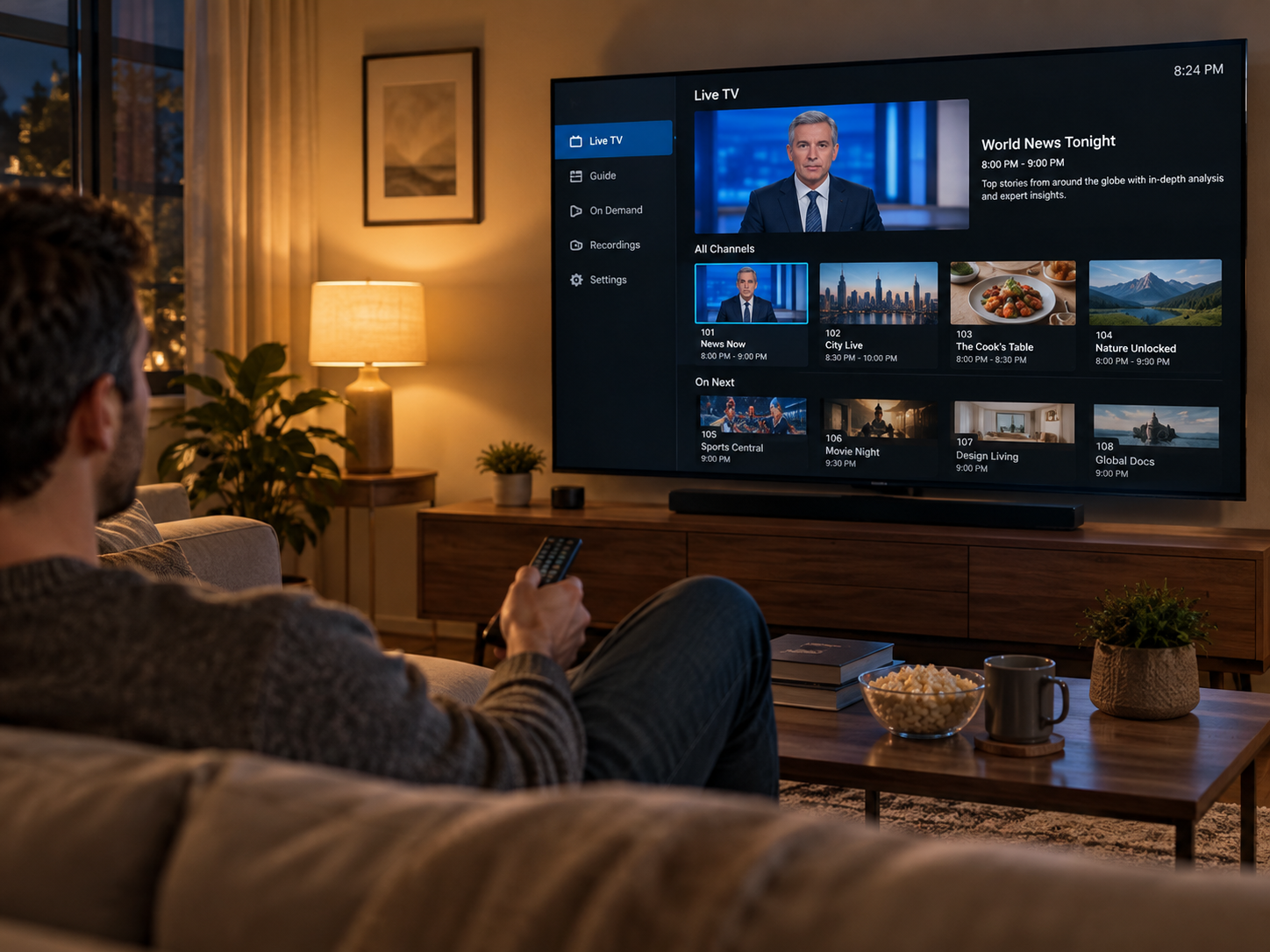
IPTV and Cable Television: Understanding the Differences in Installation and Equipment

Introduction
Television technology has changed significantly over the years. Cable television has traditionally delivered channels through a physical cable network, while Internet Protocol Television (IPTV) uses an internet connection to transmit television content. Although both options allow viewers to watch live programmes, their installation methods and equipment needs are different.
Understanding these differences can help households decide which technology is compatible with their existing setup. From cables and receivers to routers and streaming applications, each option involves specific hardware and installation considerations.
Installation Requirements for IPTV and Cable Television
One of the main differences between IPTV and cable television is how content reaches the home. Cable services generally depend on a provider's physical cable network, while IPTV uses an internet connection to deliver programming through compatible devices.
When comparing equipment requirements, viewers should consider the hardware needed to receive and display content. Cable television may require a coaxial cable connection, a provider-supplied set-top box, and a compatible television. IPTV generally requires a reliable internet connection and a supported device, such as a smart TV, streaming box, computer, or smartphone.
The exact setup depends on the provider and the type of service. Some IPTV applications work directly on compatible smart televisions, while others require an external streaming device.
How Cable Television Installation Works
Cable television installation usually begins with a connection to the provider's local cable infrastructure. A technician may need to connect the household to the network, install the necessary cables, and configure a receiver or set-top box.
In many installations, a coaxial cable carries the television signal from the provider's network to the home equipment. The receiver then processes the signal and makes the available channels accessible through the television.
Some providers also offer digital cable boxes with additional features, such as programme guides, recording functions, and access to selected on-demand content. These features depend on the subscription package and equipment supplied.
Cable installation can be straightforward when the property already has the necessary wiring. However, buildings without an existing connection may require additional work.
How IPTV Installation Works
IPTV installation generally relies on an existing broadband connection rather than a dedicated television cable network. Users need access to a compatible IPTV service and an application or device capable of playing its content.
The setup process may involve installing an application, entering authorised account details, or configuring a supported streaming device. Some providers supply their own equipment, while others allow customers to use compatible devices they already own.
A stable internet connection is essential because the television content is delivered online. Wi-Fi can be convenient, but an Ethernet connection may offer more consistent performance for televisions and streaming boxes located near the router.
The installation process is often less dependent on physical television wiring, although users still need to configure their devices and network correctly.
Comparing the Main Equipment
IPTV and cable television use different combinations of hardware. Understanding the purpose of each component makes it easier to prepare a suitable home setup.
Cable television equipment may include:
-
Coaxial cables for carrying the television signal.
-
A set-top box or digital receiver.
-
A compatible television.
-
A remote control for navigating channels and menus.
-
Splitters or additional wiring where required.
IPTV equipment may include:
-
A broadband modem and router.
-
A compatible smart television or streaming device.
-
An IPTV application or supported software.
-
An Ethernet cable when a wired network connection is preferred.
-
A remote control, keyboard, or mobile device for navigation.
Not every installation needs every item. The provider's instructions and the capabilities of the television determine which components are necessary.
Internet Speed and Network Considerations
Internet connectivity is one of the most important technical differences between these television options. Cable television generally receives its programming through the provider's cable infrastructure, whereas IPTV depends on broadband performance.
For IPTV, available bandwidth, network congestion, Wi-Fi signal strength, and the number of connected devices can all affect playback. A household using several devices for streaming, gaming, and video calls may need to consider its total internet demand.
A wired Ethernet connection can help reduce wireless interference. Users can also improve Wi-Fi performance by positioning the router in an open central location and keeping its software updated.
Cable television does not normally rely on the household broadband connection to receive its standard television channels. However, interactive features and on-demand services may still require internet access.
Maintenance and Technical Support
Both technologies require occasional maintenance, but the type of troubleshooting can differ.
Cable television users may need to check physical connections, receiver settings, or signal interruptions. Damaged cables and loose connectors can affect reception, so equipment should be inspected when problems occur.
IPTV users may need to check their internet connection, application settings, device compatibility, or account access. Updating applications and restarting network equipment can sometimes resolve minor issues.
In either case, persistent faults should be reported to the relevant provider. Users should also check the available support arrangements before choosing a service.
Which Option Fits Different Households?
The suitable option depends on a household's existing infrastructure and viewing preferences. Cable television may be convenient in areas with established cable coverage, especially for people who prefer a traditional receiver-based setup.
IPTV may appeal to viewers who already have reliable broadband and want to access television through compatible connected devices. However, its performance depends on internet quality, service availability, and the provider's authorised content distribution.
Before making a decision, households should compare installation costs, equipment charges, subscription conditions, channel availability, and technical support. Checking these details can prevent unexpected expenses and compatibility problems.
Conclusion
IPTV and cable television provide access to television programming through different delivery systems. Cable services rely on physical network connections and receivers, while IPTV uses broadband connections and compatible streaming devices.
Neither installation method is identical for every household. The most practical choice depends on available infrastructure, equipment compatibility, internet reliability, and personal viewing needs. Understanding these differences helps viewers prepare their homes and make informed decisions about television technology.
