

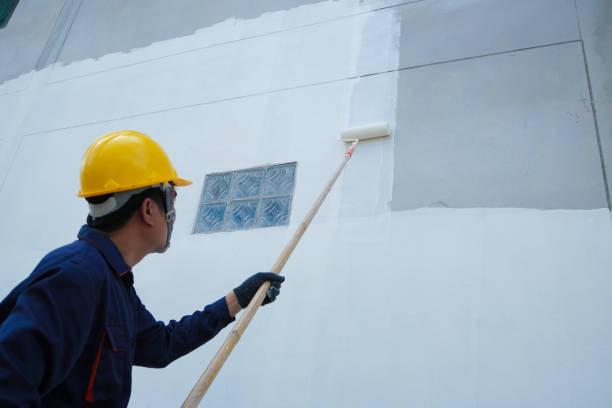

Arizona sun can make an exterior look tired long before the paint seems old. In Surprise, heat, dust, low humidity, and short bursts of monsoon rain place stress on stucco, trim, and wood. Local Painters considers these conditions when planning each exterior coating system. For homeowners,painting service in surprise, az works best when surface preparation, paint choice, and timing match the desert climate.
Key Takeaways
-
Strong UV exposure can fade paint and create a chalky surface.
-
Stucco, wood, and caulk respond differently to heat and temperature changes.
-
Careful cleaning, crack repair, and primer help paint bond to the surface.
-
Paint should be applied when walls are dry and weather conditions are suitable.
The main issue is not heat alone. A painted wall may face intense afternoon sun, windblown dust, rapid temperature changes, and sudden rain within the same season. These forces can cause fading, peeling, cracking, or early loss of adhesion when the coating system is not chosen and applied with the local climate in mind.
What Exterior Painting in Surprise, AZ Requires
Sunlight is one of the biggest causes of exterior paint wear in the desert. Ultraviolet rays slowly break down the materials that hold paint together. Colors may fade, while the surface can become dull or chalky. South- and west-facing walls often show this wear sooner because they receive strong afternoon light.
Local Painters,Heat also makes building materials expand during the day and contract as temperatures fall. Stucco, wood trim, metal, and caulk do not all move at the same rate. Over time, that movement can open small gaps around windows, doors, joints, and trim. Paint cannot correct a loose joint or a damaged surface, so repairs must come before the finish coat.
Dust creates another challenge. Fine particles can settle on walls and interfere with adhesion, especially when a surface already has chalking or loose paint. A clean wall must also be fully dry before painting. Painting over dust or hidden moisture can lead to uneven coverage and peeling.
Desert Wear to Watch For
-
Faded color on walls that receive direct afternoon sun.
-
Powdery residue that rubs off on a hand or cloth.
-
Hairline cracks around stucco openings and expansion joints.
-
Peeling near trim, sprinklers, gutters, or areas exposed to rain splash.
How Sun and Monsoon Moisture Affect Paint
Desert air is often dry, but summer storms can bring heavy rain in a short time. Water may run across stucco, collect near trim, or enter small cracks that were easy to miss. If moisture becomes trapped beneath a new coating, the paint may blister, bubble, or peel as the wall dries.
This is why a dry forecast alone is not the only timing concern. The wall itself needs time to dry after cleaning or rain. Crevices, shaded areas, and cracks may hold moisture longer than flat, sunlit surfaces. A careful inspection checks those areas instead of relying only on the feel of the main wall.
The finish also needs protection from irrigation. Sprinklers that spray against a wall can leave mineral spots and keep the lower surface wet. Landscaping should be adjusted when possible, and gutters or downspouts should direct water away from painted areas. These small steps can help the coating last longer.
Paint temperature matters as well. A wall that feels extremely hot can cause a coating to dry too quickly, making it harder to maintain an even finish. Experienced planning follows the product label for temperature, humidity, recoat time, and weather limits rather than assuming that a clear day is always suitable.
3. Choosing Paint and Preparing the Surface
Good preparation often has more effect on the final result than the color itself. The surface should be checked for loose paint, chalking, cracks, stains, mildew, and failed caulk. Cleaning must remove dust and residue without damaging the stucco texture. Any repairs need enough time to cure before primer or paint is applied.
Hairline stucco cracks may need a flexible patch or sealant, while wider or recurring cracks may point to movement that requires closer review. Expansion joints should remain flexible and should not be filled with a rigid material. Wood trim may need sanding and spot priming, while metal may need rust treatment and a primer made for that surface.
A discussion of Surprise exterior painting should also include the coating type. Quality acrylic latex paint is often used on many exterior surfaces because it can handle normal movement and weather exposure. Elastomeric coatings may help bridge small surface cracks on some stucco walls, but they are not a fix for structural damage or trapped moisture. The existing surface and product instructions should decide the selection.
A Practical Planning Checklist
-
Identify the wall materials and repair needs before choosing paint.
-
Remove dust, chalking, loose coating, and stains through suitable cleaning.
-
Use compatible primer where repairs, bare areas, or stains require it.
-
Confirm the product’s drying and temperature limits before application.
Color choice deserves equal care. Very dark colors can absorb more heat and may show fading sooner on sun-exposed walls. A small sample placed on several sides of the home can reveal how the color changes in morning and afternoon light. It also helps homeowners judge how the color looks next to roof materials, stone, block, and desert landscaping.
4. Timing and Worksite Decisions
The best schedule balances wall temperature, dry time, and the chance of rain. Early planning can avoid painting during the hottest part of the day or immediately before a storm. The exact window depends on the product, the wall’s exposure, and the condition of the surface. The label should always control the final application decision.
A reliable discussion of Arizona exterior paint should include more than color and sheen. It should cover how the coating will handle sunlight, whether the substrate can breathe, and how the crew will protect windows, plants, walkways, and outdoor equipment. Good site protection also limits dust and overspray from spreading through the property.
Homeowners should ask how small repairs will be documented and what care the new finish needs after completion. Periodic inspection can catch failed caulk, sprinkler spray, or new cracks before they spread. Keeping the paint name, color, and finish on record also makes later touch-ups easier.
Common Mistakes to Avoid
-
Painting over chalky, dusty, or damp walls.
-
Treating every stucco crack as a simple paint problem.
-
Choosing a color from a small indoor chip without testing it outside.
-
Ignoring sprinkler spray, roof runoff, or damaged caulk.
Another common mistake is focusing only on the visible wall. Eaves, fascia, garage doors, gates, and trim may use different materials and need different primers or finishes. Treating every part the same can produce uneven aging. A complete plan matches each product to the surface instead of using one coating for the entire exterior.
Frequently Asked Questions
How Often Should a Home Be Repainted in Surprise?
There is no single schedule for every home. Paint life depends on sun exposure, wall material, previous preparation, product quality, color, and irrigation. A home with heavy afternoon sun or ongoing surface movement may need attention sooner than a shaded home with sound stucco.
What Is the Best Time of Year for Exterior Painting?
A suitable time is any period when the wall can remain clean and dry while the product cures within its stated temperature range. Homeowners should also consider heat and storm activity. A calendar season is less important than the actual weather and surface conditions during the project.
Can New Paint Hide Stucco Cracks?
Paint may cover very small surface marks after proper repair, but it cannot solve movement or structural damage. Cracks that widen, return, or appear near doors and windows deserve closer evaluation. Filling them without finding the cause can lead to another visible failure.
Is Pressure Washing Safe for Stucco?
It can be risky when the pressure is too high or the nozzle is held too close. Water may damage the texture or force moisture into cracks. Cleaning methods should match the stucco condition, and the wall should dry fully before primer or paint is applied.
Should Homeowners Choose a Dark Exterior Color?
Dark colors can create a bold appearance, but they may absorb more heat and show sun fading more clearly. A sample on the actual wall gives a better result than an indoor sample. The choice should also consider the paint maker’s recommendations for the specific surface and product.
Are Elastomeric Coatings Right for Every Stucco Home?
No. These coatings can be useful in some cases, but they are not suitable for every wall or moisture condition. The substrate must be sound, and the coating must be compatible with existing layers. A product decision should follow a surface inspection rather than a color preference alone.
Conclusion
Arizona’s desert climate places unusual demands on exterior coatings, but those demands can be managed with the right sequence. Surface repairs, dust removal, compatible primer, climate-suitable paint, and careful timing all matter. Homeowners who inspect the full exterior and plan for sun, heat, dust, and storm moisture are more likely to get an even finish that ages in a predictable way.
Request a Climate-Focused Paint Assessment
Before scheduling a project, a homeowner can request a careful exterior review and ask how the recommended coating fits Surprise’s sun, dust, stucco, and seasonal rain. The discussion should cover surface repairs, primer, paint finish, weather timing, and care after completion. A clear written plan helps compare options without rushing a decision. Taking this step can reduce avoidable prep problems and make the final color and finish better suited to the home’s setting. This supports a careful decision about timing.
