

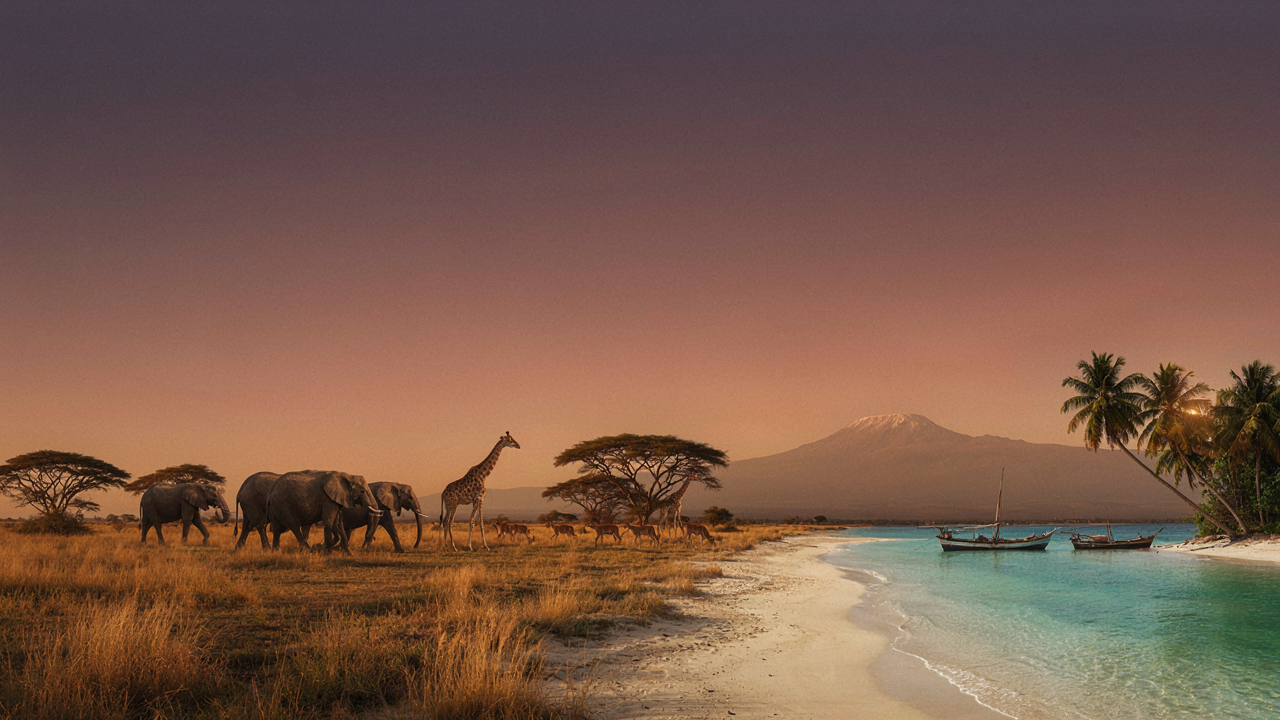

Imagine watching elephants gather around a waterhole in the morning and relaxing beside turquoise ocean waters just a few days later. For families looking for a holiday that combines excitement, discovery and relaxation, Africa offers an extraordinary range of experiences. From wildlife-rich national parks to tropical islands and sun-drenched coastlines, the continent provides countless opportunities to create meaningful memories together.
Combining safari with a beach escape allows families to enjoy two very different sides of Africa without choosing between adventure and relaxation. Children can discover fascinating animals in their natural habitats, parents can appreciate breathtaking landscapes, and everyone can enjoy peaceful days by the sea.
Whether you are planning your first African journey or returning for another adventure, a carefully designed itinerary can make the experience comfortable, rewarding and suitable for different ages. Here is how to plan an unforgettable family getaway that brings together the best of Africa's wilderness and coastline.
1. Why Combine an African Safari with a Beach Escape?
A safari and beach holiday offers a natural balance between exploration and downtime. Safari days often begin early, with wildlife drives taking place when animals are most active. These experiences can be thrilling, but they may also involve long journeys, warm weather and plenty of excitement. A beach stay afterward gives families the chance to slow down and recharge.
For children, a safari can become a real-life learning experience. Seeing giraffes, zebras, lions and elephants outside a zoo helps them understand wildlife, habitats and conservation. Experienced guides often explain animal behaviour in ways that make the experience engaging for younger travellers.
Parents can enjoy photography, beautiful scenery and opportunities to learn about local cultures. After several days of adventure, the beach brings swimming, sandcastle building, boat trips and leisurely meals.
These varied experiences make family adventure holidays in Africa particularly appealing. Instead of filling every day with activities, families can alternate exciting excursions with unstructured time together.
The key is choosing destinations that connect conveniently and designing a pace that suits the youngest traveller as well as the adults. A well-planned combination can feel like two memorable holidays within one journey.
2. The Best African Destinations for Safari and Beach Holidays
Africa offers several excellent safari and coastal combinations, each with its own atmosphere and advantages.
Tanzania and Zanzibar are a popular choice for families who want classic wildlife viewing followed by an island escape. The Serengeti and Ngorongoro Conservation Area offer opportunities to see remarkable wildlife, while Zanzibar provides white-sand beaches, warm waters and cultural experiences in Stone Town. Families can finish their safari with several relaxed days beside the Indian Ocean.
Kenya and the Kenyan coast combine renowned wildlife reserves with beautiful beaches. Families might explore the Maasai Mara or Amboseli before heading towards Diani Beach. Depending on the route, travel can involve domestic flights or road transfers, so planning the connection carefully is important.
South Africa and its coastline offer another flexible option. Families can combine a safari in a malaria-free reserve, where available, with Cape Town's beaches, wildlife attractions and outdoor activities. This can be particularly attractive for families seeking a mixture of nature, sightseeing and comfortable travel infrastructure.
Namibia and the coast suit families who enjoy dramatic landscapes and road-trip adventures. Wildlife viewing in Etosha National Park can be paired with the Atlantic coast around Swakopmund. However, this is a different experience from a tropical beach holiday, with cooler ocean temperatures and a more rugged coastal setting.
The best destination depends on children's ages, available travel time, interests and the type of beach experience your family prefers.
3. How to Plan a Family-Friendly Safari Experience
Choosing the right safari is one of the most important decisions when planning African safari and beach holidays. Not every lodge, reserve or activity is equally suitable for children, so it is worth checking the details before booking.
Start by considering the age of your children. Some lodges impose minimum age limits for game drives, walking safaris or certain activities. Private safari vehicles can provide greater flexibility, allowing families to adjust departure times, take breaks and spend longer observing animals that capture their children's attention.
Accommodation matters just as much. Family rooms, interconnected suites, swimming pools and child-friendly meals can make a significant difference. Some lodges offer dedicated children's activities, nature walks or educational programmes, while others focus on a quieter, more traditional safari experience.
Avoid packing too many destinations into a short trip. Repeated hotel changes and lengthy road transfers can quickly become tiring, particularly for younger children. Staying several nights in one well-located safari lodge often creates a more relaxed experience and increases the opportunity for memorable wildlife sightings.
Safety should always come first. Follow your guide's instructions, remain inside the vehicle when required and respect all wildlife viewing rules. Families should also check current vaccination advice, malaria prevention recommendations and any relevant travel health requirements with a qualified healthcare professional before departure.
Most importantly, keep expectations flexible. Wildlife sightings are never guaranteed, and some game drives may be quieter than others. Encouraging children to appreciate birds, tracks, landscapes and smaller animals makes the experience rewarding beyond the search for the famous Big Five.
4. Choosing the Perfect Beach Destination for Your Family
After the excitement of a safari, the right beach destination can turn a good holiday into an exceptional one. The ideal location depends on whether your family prefers swimming, water sports, cultural discoveries or simply relaxing beside the ocean.
Zanzibar is a strong choice for families seeking tropical scenery, resort facilities and opportunities to explore local culture. However, tidal changes affect many beaches, so swimming conditions vary by location and time of day. Choose accommodation with suitable swimming access, and consider a pool as a useful alternative for younger children.
Kenya's coast offers sandy beaches, marine excursions and opportunities to explore coastal communities. Depending on local conditions, families may enjoy snorkelling, glass-bottom boat trips or guided marine activities. Always check sea conditions and choose reputable operators who provide appropriate safety equipment.
For families travelling through South Africa, Cape Town offers a different coastal experience, with scenic beaches, penguin viewing at Boulders Beach and excursions around the Cape Peninsula. Ocean temperatures can be cool, so it may suit families who enjoy sightseeing and outdoor exploration as much as swimming.
When choosing accommodation, look beyond photographs. Check whether the beach is suitable for children, how far rooms are from the water, whether lifeguards are present and what facilities are available. Shade, family dining options and flexible meal arrangements can also make beach days much easier.
A beach stay does not need a packed schedule. Leave room for simple pleasures: walking along the shore, watching the sunset, enjoying local food and spending uninterrupted time together.
5. The Best Time to Travel and How Long to Stay
The best time for combining safari with a beach escape depends on the destination, wildlife priorities and preferred coastal conditions. Many East African safari areas have distinct dry and rainy seasons, while Indian Ocean destinations can experience different rainfall patterns.
For Tanzania, the dry season generally offers favourable wildlife-viewing conditions in many parks, although the timing and location of the Great Migration vary throughout the year. Zanzibar has its own seasonal weather patterns, so it is worth comparing the safari and island conditions for your intended travel dates.
Kenya also has seasonal differences in wildlife viewing and coastal weather. South Africa's seasons differ from those of East Africa, making destination-specific planning essential.
For most families, around 10 to 14 days is a useful starting point. A two-week itinerary might include five or six nights on safari, followed by five or six nights at the beach, with the remaining time reserved for arrival, transfers and departure. Shorter trips can work well too, particularly when destinations are connected by convenient flights.
Allow sufficient time between connections and avoid scheduling a demanding game drive immediately after a long international flight. If travelling with toddlers or younger school-age children, fewer destinations and longer stays are often the better choice.
Booking early can provide more choice of family accommodation and suitable safari lodges, especially during popular holiday periods. Check flight schedules, baggage allowances, transfer times and entry requirements before confirming the itinerary.
6. Making Your African Family Holiday Truly Memorable
The most successful family holidays are built around shared experiences rather than a long checklist of attractions. A safari and beach itinerary offers plenty of opportunities to create those moments, from spotting an elephant for the first time to enjoying a peaceful evening beside the sea.
Involve children in the planning process. Let them choose an animal they hope to see, learn a few words in the local language or help prepare a simple wildlife checklist. These small activities can build excitement before departure and encourage curiosity throughout the trip.
Pack practical essentials, including lightweight clothing, sun protection, insect repellent appropriate for each family member, reusable water bottles and binoculars suitable for children. Keep favourite snacks and entertainment available for longer transfers, and bring any necessary medication in your hand luggage.
Consider adding a cultural experience, such as a guided village visit or a locally led food activity, where it is respectful, authentic and appropriate for your family. Choose responsible operators that support local communities, follow wildlife welfare standards and minimise environmental impact.
A tailor-made itinerary can be especially useful because every family has different priorities. Some may prefer adventurous game drives and active beach days, while others may value comfortable lodges, shorter transfers and plenty of downtime. A thoughtful balance helps everyone enjoy the journey at their own pace.
Ultimately, African safari and beach holidays offer much more than beautiful scenery. They create opportunities for families to learn, explore, connect with nature and spend meaningful time together away from everyday routines.
Conclusion
A safari followed by a beach escape is one of the most rewarding ways to experience Africa as a family. From the wildlife-rich plains of Tanzania and Kenya to the tropical shores of Zanzibar and the diverse coastlines of South Africa, there is a destination combination for many travel styles and ages.
With the right timing, family-friendly accommodation and a manageable itinerary, you can enjoy extraordinary wildlife encounters without sacrificing comfort or relaxation. Plan around your family's needs, choose responsible travel experiences and leave space for spontaneous discoveries.
At Awayzing, a tailor-made approach can help bring these elements together into a journey that reflects your family's interests, travel pace and expectations. The result is more than a holiday: it is an opportunity to share adventures and create memories that last long after you return home.

