

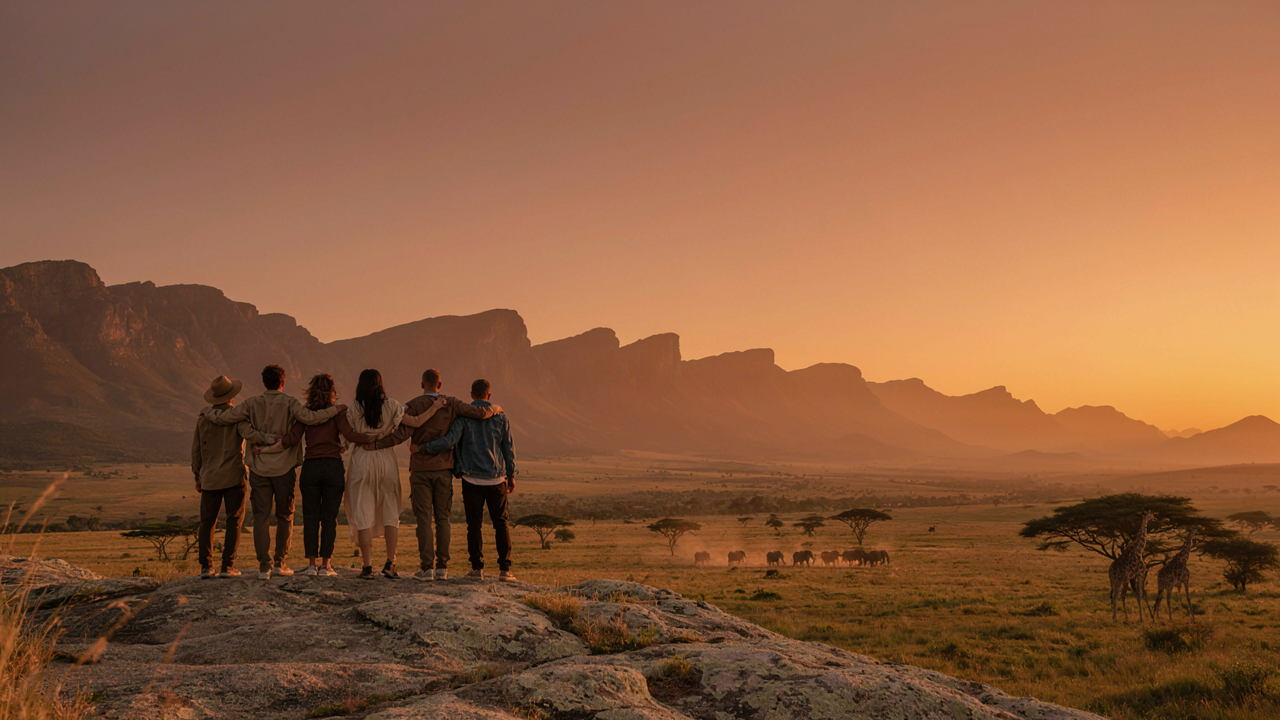

Namibia is one of Africa’s most rewarding destinations for an independent road trip. Vast deserts, dramatic mountains, remote landscapes, Atlantic coastlines and incredible wildlife make it especially well suited to travelling by car. A Namibia road trip gives you the freedom to stop for photographs, explore at your own pace and spend more time in places that capture your attention.
With only ten days, careful planning is important. Namibia is a huge country, and driving distances can be longer than they appear on a map, particularly on gravel roads. This 10-day Namibia itinerary focuses on some of the country’s most spectacular highlights: Windhoek, Sossusvlei, Swakopmund, Damaraland and Etosha National Park.
The route creates a practical loop and combines desert scenery, coastal experiences, dramatic landscapes and wildlife without trying to cover too much territory.
Day 1: Arrive in Windhoek and Prepare for Your Road Trip
Start your journey in Windhoek, Namibia’s capital. After arriving, collect your rental vehicle and take some time to become familiar with the car before beginning the longer drives.
If you are using a 4x4, ask the rental company to explain the vehicle’s equipment, spare tyres and recovery gear. Namibia has many well-maintained roads, but gravel routes require more attention and slower driving.
Keep your first day relaxed. Explore central Windhoek, enjoy a meal at a local restaurant and purchase essentials such as drinking water, snacks and other supplies.
A comfortable first night in Windhoek also gives you a chance to rest after your flight before starting the main adventure.
Day 2: Windhoek to Sesriem and the Namib Desert
Your Namibia self-drive itinerary now heads south-west toward Sesriem, the gateway to the spectacular Namib-Naukluft region.
As you leave Windhoek, the landscape gradually becomes more arid. Mountains, rocky plains and endless open spaces replace the greener scenery around the capital. The drive itself becomes an important part of the experience.
Stay near Sesriem so that you can enter the desert area early the following morning. Staying close to the entrance is particularly useful because the best conditions for exploring the dunes are usually found earlier in the day.
Once you arrive, settle into your accommodation and enjoy the sunset. Resist the temptation to add too many activities today. Saving your energy for Sossusvlei will make the next morning much more enjoyable.
Day 3: Explore Sossusvlei, Deadvlei and Sesriem Canyon
This is one of the major highlights of your Namibia road trip.
Start early and drive toward Sossusvlei while temperatures are cooler and the morning light creates beautiful shadows across the dunes. The enormous red-orange sand dunes are among Namibia’s most recognizable landscapes.
Make time for Deadvlei, famous for its ancient, dried camel thorn trees standing against a pale clay floor surrounded by towering dunes. The contrast between the trees, sand and blue sky makes this one of the most memorable photographic locations in Namibia.
If you are comfortable with a challenging climb, consider walking up one of the larger dunes for panoramic views across the desert.
Later, visit Sesriem Canyon before returning to your accommodation. After an early start and several hours in the desert, keep the evening relaxed.
Day 4: Sesriem to Swakopmund
Leave the desert behind and continue towards Swakopmund on Namibia’s Atlantic coast.
This section of the journey demonstrates just how quickly Namibia’s landscapes can change. Desert plains, rugged mountains and barren scenery gradually give way to the cooler coastal environment.
Swakopmund is an excellent place to slow down after several days of driving. Spend the afternoon exploring the town, walking along the streets and enjoying its distinctive architecture.
You can also try local restaurants and cafés or simply relax at your accommodation.
For travellers looking for adventure, Swakopmund offers activities such as sandboarding, quad biking and desert excursions. If you prefer a slower trip, however, there is no need to fill every hour with activities.
Day 5: Explore Swakopmund and Walvis Bay
Use your fifth day to explore the Atlantic coast rather than immediately continuing inland.
Take a morning trip to nearby Walvis Bay, where you can enjoy a marine excursion and potentially see dolphins, seals and other coastal wildlife. The area provides a completely different experience from the inland desert.
After returning to Swakopmund, spend the afternoon at your own pace. You could explore local shops, visit historical attractions or simply enjoy the coastal atmosphere.
Keeping two nights in Swakopmund is a useful choice for a 10-day Namibia itinerary because it prevents the trip from becoming a continuous cycle of long drives and early mornings.
Day 6: Swakopmund to Damaraland
Today, leave the Atlantic coast and travel inland toward Damaraland.
The scenery becomes increasingly dramatic, with enormous open spaces, rugged mountains, dry riverbeds and unusual geological formations. This is one of the most visually impressive sections of a Namibia self-drive adventure.
Depending on your interests and available time, you can visit attractions such as Spitzkoppe or Twyfelfontein. Twyfelfontein is particularly important for its ancient rock engravings and offers a fascinating connection to Namibia’s early human history.
Rather than rushing onward to Etosha, spend the night in Damaraland. A desert lodge or campsite surrounded by the landscape can be an experience in itself.
Day 7: Damaraland to Etosha National Park
Continue north-east toward Etosha National Park, one of the most important wildlife destinations in Namibia.
Once you reach the park, begin your first self-drive safari. Instead of treating the park simply as a route to your accommodation, allow time to stop at waterholes and observe animals.
Depending on the season and location, you may encounter elephants, zebra, giraffe, antelope, lions and many bird species.
One of the biggest advantages of exploring Etosha independently is the freedom to decide how long you want to stay at each waterhole. A quiet hour watching animals drink can be far more rewarding than rushing from one location to another.
Spend the night near or inside the park to maximize your wildlife-viewing opportunities.
Day 8: Full-Day Safari in Etosha
Dedicate the entire day to exploring Etosha.
Start early, when wildlife activity can be particularly interesting, and spend the day travelling between different waterholes and areas of the park.
Keep your speed low, remain on designated routes and give animals plenty of space. Wildlife sightings are unpredictable, so patience is essential.
You might spend several minutes watching a herd of zebra before suddenly encountering an elephant or predator nearby. These unscripted moments are part of what makes a self-drive safari so special.
Do not feel pressured to cover every corner of Etosha. Choose a manageable route and spend quality time observing the surroundings.
After another rewarding day, return to your accommodation for your final night in the park.
Day 9: Etosha to Windhoek
After an early morning safari, begin your journey back to Windhoek.
This is primarily a travel day, so start early and avoid unnecessary detours. Depending on your route and driving conditions, allow plenty of time for the journey.
Use the drive as an opportunity to appreciate the changing landscapes. The scenery gradually shifts from the wildlife-rich environment around Etosha to the more developed surroundings of Windhoek.
Once you arrive in the capital, enjoy a relaxed final evening and have a memorable dinner before your departure the following day.
Day 10: Departure from Windhoek
Keep your final morning flexible depending on your flight schedule.
You can enjoy breakfast, purchase souvenirs, explore a local market or simply relax before returning your rental vehicle.
The most important lesson from a 10-day Namibia itinerary is that you do not need to see every attraction to have an unforgettable journey. Namibia’s appeal lies not only in famous destinations such as Sossusvlei and Etosha but also in the quiet roads, enormous skies, remote landscapes and unexpected wildlife encounters along the way.
Practical Tips for a Namibia Self-Drive
Choose a dependable vehicle that suits your planned route, particularly if you expect to spend significant time on gravel roads. Drive carefully and reduce your speed when road conditions become difficult.
Always carry enough drinking water and basic supplies, especially when travelling through remote areas. Fuel stations can be widely spaced, so refuel whenever you have the opportunity rather than waiting until the tank is nearly empty.
Accommodation should also be booked ahead during popular travel periods, particularly if you want to stay inside or close to major national parks.
Finally, avoid planning every minute of your trip. Namibia rewards flexibility. A scenic viewpoint, unexpected animal sighting or beautiful sunset can easily become one of the best memories of your entire Namibia road trip.
