

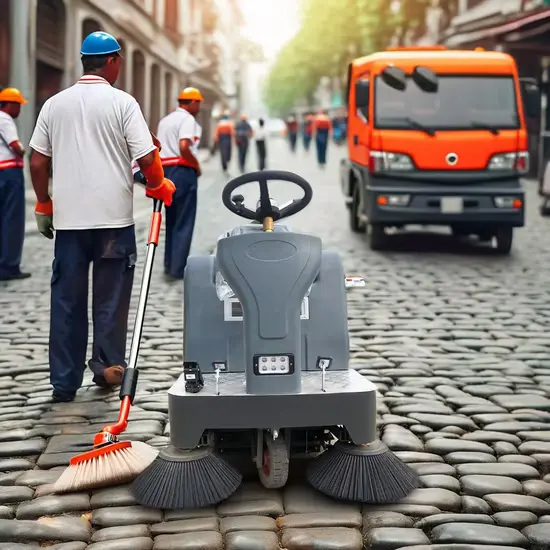

Clean roads and well-maintained commercial areas play an important role in creating safe and attractive environments. However, busy streets, parking lots, shopping centers, and industrial properties collect dust, dirt, leaves, litter, and other unwanted materials every day. If this debris is not removed regularly, it can affect air quality, create safety concerns, and contribute to environmental pollution. Maintaining these areas requires a consistent cleaning approach that addresses both visible waste and smaller particles.
Commercial Street Sweeping is an effective way to manage road debris and maintain cleaner outdoor spaces. Professional sweeping equipment helps remove accumulated dirt, loose materials, and other pollutants from paved surfaces. Regular cleaning can also reduce the amount of debris that enters storm drains or becomes airborne. Understanding how this service supports cleaner surroundings can help property managers and business owners make better maintenance decisions.
1. Removes Dust From Roads and Pavement
Dust naturally accumulates on roads and paved areas because of vehicle movement, construction activity, wind, and everyday operations. When vehicles pass over these surfaces, loose particles can become airborne and affect the surrounding environment. Excessive dust may also settle on nearby buildings, vehicles, windows, and outdoor equipment.
Street sweeping helps collect loose dust before it spreads across commercial properties. Modern sweeping machines use brushes and vacuum systems to remove particles from paved surfaces. Depending on the equipment and cleaning requirements, water may also be used to help control dust during the process. Consistent cleaning supports a more comfortable environment for employees, customers, pedestrians, and nearby residents.
2. Prevents Debris From Accumulating
Commercial roads and parking areas often collect different types of debris, including leaves, paper, plastic, gravel, dirt, and small pieces of construction material. These materials can make a property look neglected and create additional maintenance problems when left unattended.
Regular sweeping removes unwanted materials before they build up in large quantities. Clean paved areas are easier to maintain and provide a more organized appearance. Businesses with large parking lots, warehouses, shopping centers, and industrial facilities can benefit from scheduled cleaning because their outdoor spaces experience frequent vehicle and pedestrian activity.
3. Helps Reduce Airborne Pollution
Fine dust particles can become airborne when vehicles move across dirty pavement or when wind passes over accumulated debris. These particles may affect local air quality, particularly in busy commercial districts and industrial areas where traffic and daily operations generate additional dust.
Professional sweeping equipment can capture and remove a portion of the loose material that might otherwise become airborne. Some machines use filtration systems to help contain fine particles during cleaning. Although street sweeping cannot eliminate all sources of air pollution, it can support broader efforts to maintain cleaner roads and reduce avoidable dust.
4. Protects Storm Drains and Waterways
Leaves, dirt, litter, and other debris can be carried by rainwater into nearby storm drains. Once these materials enter drainage systems, they may contribute to blockages and affect the quality of water flowing into local waterways.
Routine street cleaning helps collect loose debris before rainfall carries it away. This can reduce the amount of solid waste reaching drainage infrastructure and support better stormwater management. Property owners should also maintain drain inlets and arrange additional cleaning when heavy rainfall, landscaping work, or construction creates extra debris.
5. Improves Safety for Drivers and Pedestrians
Loose gravel, dirt, leaves, and other materials can create hazards on roads, driveways, and parking areas. Certain debris may reduce tire traction or make walking surfaces slippery, especially during wet weather. These conditions can increase the risk of minor accidents and property-related safety concerns.
Keeping paved areas clean helps create more manageable driving and walking conditions. Sweeping is particularly useful around loading zones, entrances, pedestrian pathways, and busy parking lots. Businesses can combine regular cleaning with inspections and prompt debris removal to maintain safer outdoor spaces.
6. Maintains a Professional Business Appearance
The exterior condition of a commercial property can influence how customers, visitors, and business partners view an organization. Litter-covered parking lots, dusty roads, and dirty entrances may create an unprofessional impression, even when the indoor facilities are well maintained.
Scheduled sweeping helps businesses maintain a cleaner and more welcoming appearance. It removes visible waste, improves the condition of paved areas, and supports a consistent property maintenance routine. Shopping centers, office complexes, retail locations, and industrial facilities can all benefit from cleaner surroundings.
7. Supports Different Commercial Property Needs
Every commercial property has different cleaning requirements based on its size, traffic levels, surface conditions, and daily activities. A small retail parking lot may need a different schedule from a large warehouse or industrial site.
Street sweeping can support several types of properties, including:
-
Shopping centers and retail parking lots that experience regular customer traffic.
-
Industrial facilities where dust, gravel, and operational debris accumulate.
-
Office complexes that require clean entrances, driveways, and visitor parking areas.
-
Construction sites where loose soil and building materials can spread onto nearby roads.
-
Commercial streets and access roads that collect litter and everyday traffic debris.
Choosing an appropriate cleaning schedule helps address each property's specific conditions without unnecessary disruption to daily operations.
8. Reduces Long-Term Property Maintenance Problems
When dirt and debris remain on paved surfaces for extended periods, they can make routine maintenance more difficult. Accumulated materials may collect around drainage points, spread into landscaped areas, and create additional cleaning requirements.
Regular sweeping helps prevent excessive debris buildup and makes outdoor maintenance more manageable. It also allows property managers to identify surface issues such as damaged pavement, drainage concerns, or areas that repeatedly collect waste. While sweeping does not replace pavement repairs or deep cleaning, it can become an important part of a preventive maintenance plan.
9. Why Professional Street Sweeping Equipment Matters
The effectiveness of street cleaning depends on using suitable equipment and following an appropriate cleaning process. Different machines are designed for different surface conditions and debris types. Mechanical broom sweepers are useful for collecting larger materials, while vacuum and regenerative air sweepers can help remove finer particles from paved areas.
Professional service providers can evaluate traffic patterns, property size, and the amount of debris before recommending a suitable approach. They can also establish cleaning schedules that reduce disruption during busy business hours. Selecting experienced providers helps ensure that equipment, cleaning methods, and maintenance frequency match the property's requirements.
Conclusion :
Maintaining clean commercial roads requires more than occasional litter removal. Dust, loose debris, and everyday waste can affect air quality, drainage systems, property appearance, and outdoor safety. Regular sweeping helps manage these problems by removing accumulated materials before they spread or create larger maintenance concerns.
Businesses and property managers should consider traffic levels, surface conditions, and seasonal changes when planning an outdoor cleaning schedule. Working with experienced service providers can also help maintain consistent results. By investing in Jm Pressure Washing Service near me, property owners can support cleaner surroundings, improve the appearance of paved areas, and contribute to more responsible property maintenance.
Frequently Asked Questions
1. What is commercial street sweeping?
Commercial street sweeping is a cleaning service that removes dust, dirt, leaves, litter, gravel, and other debris from roads, parking lots, and paved business areas using specialized sweeping equipment.
2. How does street sweeping help reduce pollution?
Street sweeping collects loose dirt and debris that could otherwise become airborne or enter stormwater drainage systems. This helps reduce certain sources of environmental pollution around commercial properties.
3. How often should commercial streets be swept?
The frequency depends on traffic levels, property use, surrounding conditions, and the amount of debris generated. Busy commercial areas may require daily or weekly cleaning, while quieter properties may need less frequent service.
4. Can street sweeping improve air quality?
It can help reduce the amount of loose dust available to become airborne. However, it cannot eliminate pollution from vehicle exhaust, industrial emissions, or other sources.
5. What types of debris can street sweepers remove?
Street sweepers can collect leaves, dirt, gravel, paper, plastic, small stones, and various types of loose material from paved surfaces.
6. Does street sweeping help prevent clogged storm drains?
Yes. By collecting leaves, litter, and loose debris before rainfall carries them toward drainage inlets, regular sweeping can help reduce the amount of solid waste entering storm drains.
7. Which businesses need commercial street sweeping?
Shopping centers, warehouses, office complexes, industrial facilities, retail stores, construction sites, and businesses with large parking areas can benefit from regular sweeping.
8. What equipment is used for commercial street sweeping?
Common equipment includes mechanical broom sweepers, vacuum sweepers, and regenerative air sweepers. The appropriate machine depends on the surface and the type of debris being removed.
9. Is professional street sweeping better than manual cleaning?
Professional sweeping equipment can cover larger paved areas more efficiently and collect different types of debris. Manual cleaning may still be useful for smaller or hard-to-reach spaces.
10. How can businesses choose a reliable street sweeping company?
Businesses should review a provider's experience, equipment, cleaning methods, scheduling flexibility, service coverage, and ability to meet the property's specific maintenance requirements.
