

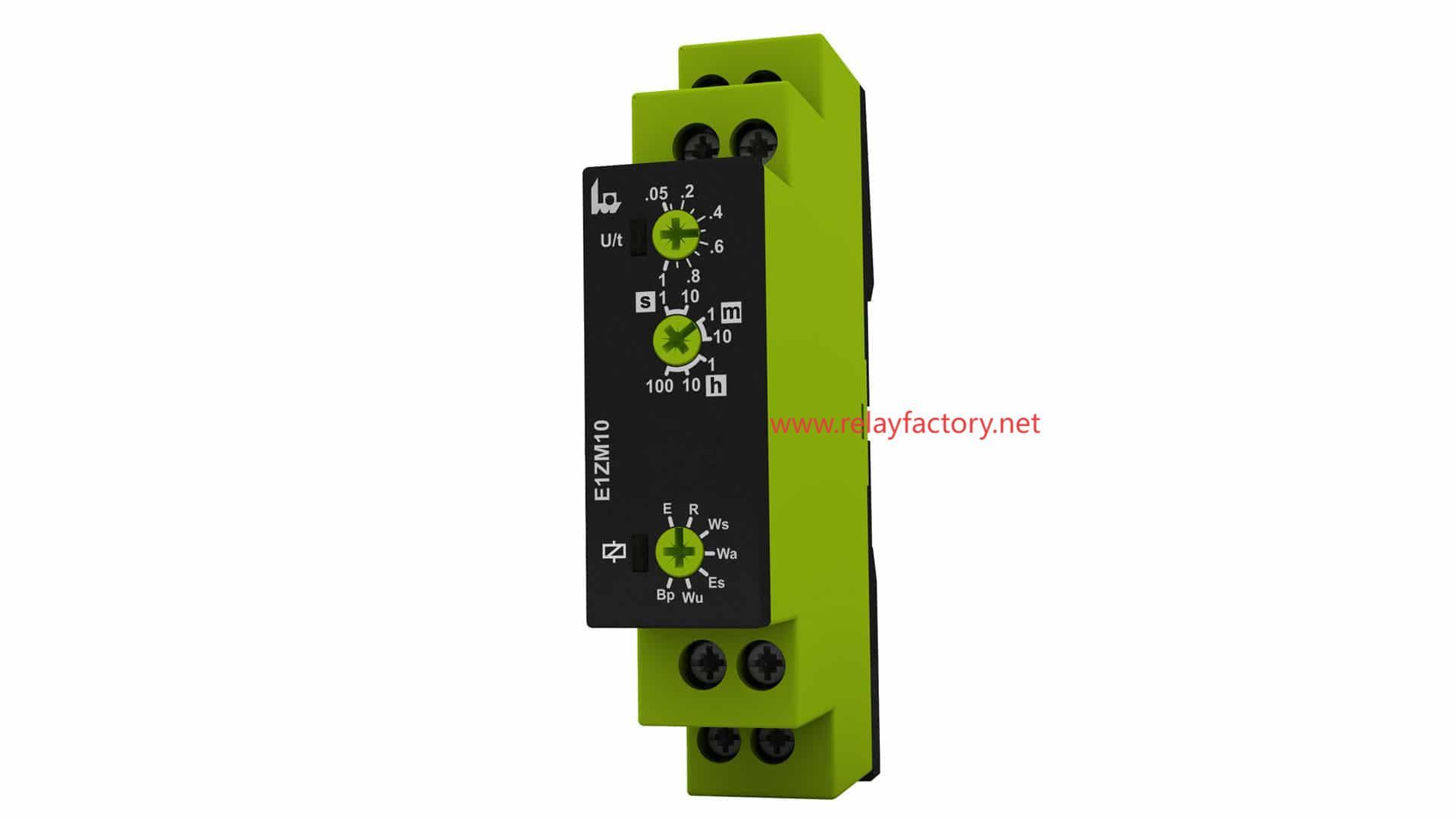

Time Relay Factory selection plays an important role in industrial purchasing, especially for equipment manufacturers, electrical distributors, and automation system developers. Choosing a suitable production partner requires more than comparing quotations or browsing product catalogs. Buyers need to examine technical specifications, manufacturing arrangements, inspection procedures, customization capabilities, and delivery schedules. These details help determine whether a supplier can accommodate specific application requirements and support an organized purchasing process. Understanding these factors before placing an order can also reduce communication difficulties during cooperation.
Check Product Specifications and Application Compatibility
Before contacting a manufacturer, buyers should identify the electrical and operational requirements of their equipment. Different applications may require different delay functions, voltage ratings, contact configurations, and installation methods.
For example, an automated production system may require adjustable settings to coordinate equipment operations. An electrical control cabinet may have specific space limitations that affect component dimensions and mounting arrangements.
Buyers should review several technical details:
Rated supply voltage and operating voltage range.
Delay range and adjustment methods.
Contact configuration and switching capacity.
Installation dimensions and terminal connections.
Operating temperature and environmental conditions.
Available operating functions and control modes.
It is also important to consider the electrical load and operating frequency. These factors help determine whether a particular model is appropriate for the intended application.
Providing technical drawings, wiring diagrams, or application descriptions can help manufacturers recommend suitable product configurations.
Understand the Manufacturer's Production Process
Manufacturing arrangements can influence product consistency, order management, and production coordination. Buyers should therefore understand how a supplier organizes its manufacturing activities.
Useful questions include how raw materials are sourced, how components are assembled, and how production procedures are managed. Buyers can also ask which processes are completed internally and whether external partners participate in certain operations.
A clear production explanation should cover:
Incoming component inspection.
Assembly procedures and production arrangements.
Management of product specifications.
Manufacturing documentation.
Procedures for handling production changes.
These details provide a better understanding of the supplier's manufacturing resources.
At relayfactory, understanding customer application requirements is an important part of product discussions. Sharing technical information at an early stage helps both parties communicate about product selection and purchasing expectations.
Examine Quality Inspection and Functional Testing
Product inspection deserves attention when purchasing electrical control components. Buyers should understand how manufacturers verify that products correspond with agreed specifications.
Depending on the product design, inspection activities may include component checks, assembly inspections, electrical testing, timing verification, and finished product examination.
For timing devices, buyers may ask how the manufacturer checks operational accuracy, contact performance, electrical characteristics, and appearance.
Documentation is also worth reviewing. Relevant materials may include product datasheets, wiring diagrams, inspection records, and applicable compliance documents.
If a project requires particular technical standards or certifications, buyers should communicate these requirements before confirming the order. They should also verify that the supplied documentation relates to the actual model being purchased.
Clear inspection requirements can help establish product acceptance criteria and reduce misunderstandings between purchasing teams and manufacturers.
Ask About Customization and Technical Support
Not every industrial project can use an identical product configuration. Some equipment manufacturers need specific voltage options, terminal arrangements, mounting dimensions, or operating functions.
Buyers should explain their requirements in detail and ask whether the manufacturer can accommodate the requested adjustments.
For example, an equipment developer may need a particular housing dimension to fit an existing electrical enclosure. Providing drawings and installation measurements can help the manufacturer assess whether the requested configuration is technically feasible.
Before proceeding, buyers should clarify:
Which specifications can be customized?
Is technical evaluation required?
Can samples be prepared for testing?
How are design changes documented?
What is the estimated development schedule?
At relayfactory, communication about application conditions and product configurations helps customers discuss their project requirements with greater clarity.
Review Order Quantities and Delivery Arrangements
Purchasing plans should consider production schedules, order quantities, packaging, and shipping arrangements.
A distributor purchasing products for inventory may require a different order structure from an equipment manufacturer sourcing components for a specific project.
Before confirming an order, buyers should ask about sample availability, minimum order quantities, packaging specifications, labeling requirements, and estimated production duration.
For businesses with recurring demand, sharing an approximate purchasing forecast can also help manufacturers understand expected order volumes.
Buyers should confirm delivery arrangements according to the selected model, quantity, and production schedule. Any special packaging or shipping requirements should be discussed before order confirmation.
Evaluate Communication for Long-Term Cooperation
A purchasing relationship involves more than manufacturing and delivery. Buyers may need technical documents, product information, specification updates, or assistance with application questions after receiving an order.
It is useful to understand how the manufacturer handles customer inquiries and communicates changes to product specifications.
For distributors and OEM customers, consistent documentation can also simplify repeat purchasing. Keeping approved drawings, product parameters, and sample references helps both parties maintain clear expectations.
When comparing suppliers, buyers should consider the complete cooperation process rather than focusing only on the initial quotation.
Choosing a manufacturing partner requires careful consideration of product compatibility, production procedures, inspection arrangements, customization discussions, and supply coordination. Preparing clear technical requirements can make communication more productive and help buyers assess potential cooperation. relayfactory provides product information and manufacturing support for customers with different industrial timing control requirements. Businesses interested in available models, technical specifications, or purchasing cooperation can visit https://www.relayfactory.net/ to review the company information and discuss their project needs.
