

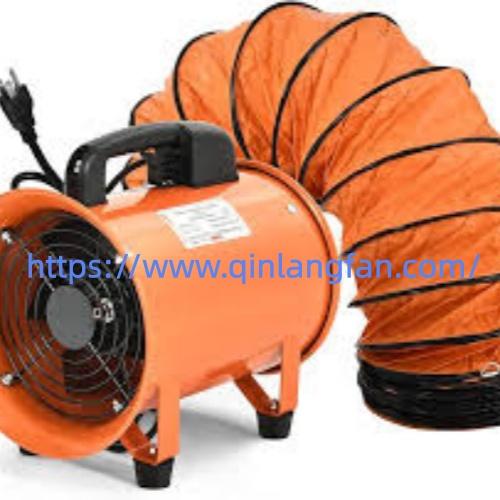

Portable Axial Fan selection is worth considering when a working environment needs flexible air circulation without relying entirely on a fixed ventilation installation. Workshops, warehouses, construction areas, equipment rooms, and temporary working spaces can all have changing ventilation requirements. For buyers, the decision involves more than choosing a product that can be moved. Material construction, handling convenience, motor design, protective features, and actual working conditions should also be evaluated.
One important consideration is the housing material. Different environments create different demands, especially when equipment needs to be moved between indoor and outdoor locations. Metal housings can provide structural support for applications involving regular handling. Their surface treatment may also influence resistance to environmental exposure and everyday wear.
Plastic housings offer another option for certain designs. Their lightweight characteristics can make transportation and repositioning more convenient. They also allow manufacturers to develop different shapes and finishes according to product requirements. Buyers should consider the working environment, expected handling frequency, and surrounding conditions when comparing material choices.
The supporting structure deserves attention as well. Handles, protective grilles, mounting brackets, and supporting frames can influence how conveniently equipment is transported and positioned. A practical handle arrangement can make movement easier, while a stable supporting structure helps keep the product properly positioned during operation.
Wheels may be useful in applications where equipment needs to move between different work areas. However, buyers should also consider floor conditions, storage arrangements, and whether the equipment needs to remain stationary during use. The overall structure should match the way employees will handle the product in everyday situations.
Motor design is another important purchasing consideration. Different working environments may require different operating arrangements. Buyers should discuss electrical compatibility, motor protection, insulation, and maintenance requirements with the manufacturer. For equipment intended for dusty or humid environments, the suitability of protective features deserves particular attention.
Blade construction also influences the way air moves through a space. Blade geometry, housing design, and the relationship between the motor and rotating assembly all contribute to the operating characteristics. Buyers should consider whether the intended application involves general air circulation, localized cooling, or ventilation in a specific direction.
Airflow direction is particularly important in workshops and enclosed working areas. Simply placing a ventilation product in a convenient position may not provide the intended result if nearby walls, equipment, or stored materials obstruct the air path. Reviewing the complete working layout can help users decide where the equipment should be positioned.
Different industries have different reasons for using mobile ventilation equipment. In manufacturing workshops, employees may need additional air movement around machinery or workstations. Warehouses can have areas where fixed ventilation does not provide the desired circulation. Temporary construction spaces may also require equipment that can be repositioned as working activities change.
Agricultural environments offer another application. Certain storage areas, livestock facilities, and agricultural buildings may need additional air circulation according to seasonal conditions and building layouts. Buyers should consider dust, humidity, cleaning requirements, and the suitability of electrical arrangements before selecting equipment for these environments.
User experience is influenced by more than transportation. Operating sound, vibration, control accessibility, and cleaning convenience can all affect everyday use. Equipment positioned near employees may require attention to noise. Handles and controls should also be arranged so that users can operate and reposition the product without unnecessary difficulty.
Maintenance planning is equally important. Dust can accumulate around the housing and protective grille during regular operation. Periodic inspection and cleaning help keep the equipment in an appropriate working condition. Buyers should ask about access to internal components, replacement arrangements, and recommended maintenance procedures.
Appearance may seem like a secondary consideration, but it can influence purchasing decisions for commercial and professional environments. A coordinated housing finish, practical grille design, and organized supporting structure can help equipment fit into different workplace settings. Manufacturers also need to balance appearance with durability, handling convenience, and functional requirements.
Before purchasing, businesses should identify where the equipment will be used, how frequently it needs to be moved, and what type of air movement is required. They should also consider storage space, electrical access, maintenance arrangements, and environmental exposure. Sharing these details with a manufacturer can make product discussions more productive and help identify suitable configurations.
Qinlang provides ventilation and air cooling equipment for industrial, agricultural, commercial, and building applications. Its product range gives buyers options to consider when planning air circulation for different working environments. Whether you are equipping a workshop, organizing ventilation for a warehouse, or sourcing components for a new project, understanding the actual application is an important part of product selection. Visit https://www.qinlangfan.com/ to review the company profile and available ventilation products, and discuss your project requirements with the Qinlang team.
