

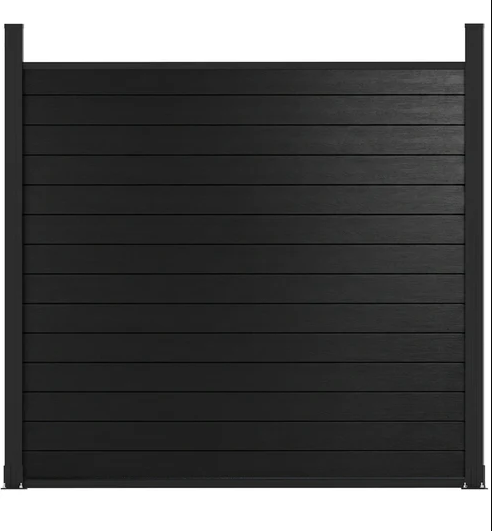
Aluminum Fence vs Vinyl Fence: Choosing the Right Option for Your Property

Selecting the ideal fencing material for your home involves balancing aesthetics, budget, longevity, and maintenance requirements. Homeowners often find themselves comparing aluminum fence vs vinyl fence solutions because both options provide exceptional durability compared to traditional wood. While vinyl offers complete privacy and low-upkeep appeal, aluminum delivers classical elegance and strength against harsh weather. Understanding the fundamental differences between an aluminum fence vs vinyl fence empowers you to select the enclosure that enhances your curb appeal and satisfies your functional priorities.
Durability and Structural Performance
When evaluation turns to long-term performance, both materials outshine organic options, yet they handle environmental stress differently. Powder-coated aluminum resists rust, corrosion, and weather damage, making it suitable for wet climates or sloped landscapes where racked installation is necessary. Polyvinyl chloride vinyl resists moisture, rot, and insect damage, but extreme temperature shifts can cause vinyl to expand or turn brittle over time. A side-by-side analysis of an aluminum fence vs vinyl fence shows that aluminum typically offers greater resilience against severe wind and structural impacts.
Privacy, Style, and Aesthetic Variety
Your privacy goals heavily influence which material best suits your yard. Vinyl fencing excels at creating complete visual barriers, featuring solid panel designs that block outside eyes, reduce ambient street noise, and enclose backyard spaces securely. Aluminum fencing mimics the classic look of wrought iron, utilizing open pickets that maintain open sightlines while establishing clear boundaries. When deciding between an aluminum fence vs vinyl fence, privacy-focused homeowners generally lean toward vinyl, whereas those seeking decorative boundaries or pool security pickets favor aluminum.
Maintenance Requirements and Long-Term Value
Both choices eliminate the tedious cycle of staining, painting, and sealing required by timber structures. Maintaining vinyl involves occasional power washing or soap-and-water scrubbing to remove surface dirt, mold, or algae growth. Aluminum requires minimal upkeep, usually needing only a gentle spray from a hose to clear away dust or debris. In terms of overall cost, comparing an aluminum fence vs vinyl fence reveals similar upfront material expenses, but aluminum often yields a higher return on investment due to its virtually indestructible powder coat and timeless architectural appeal.
