

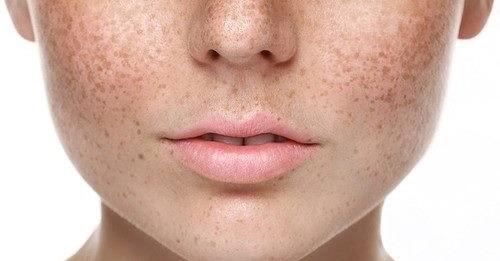
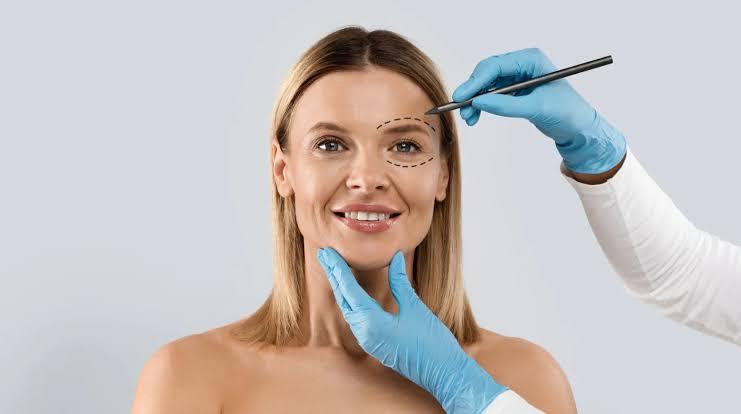
Uneven skin tone, dark patches, and stubborn discoloration can affect the overall appearance of the skin and make its texture look less uniform. These concerns may develop gradually because of sun exposure, hormonal changes, ageing, inflammation, or increased melanin production. Pigmentation Treatment in Dubai is used to address different forms of unwanted skin discoloration and support a clearer, more balanced complexion. Understanding its purpose, available techniques, and treatment process helps individuals make informed decisions about managing pigmentation concerns.
Understanding Skin Pigmentation
Skin pigmentation refers to the natural colouring of the skin, which is mainly determined by melanin. Melanin is produced by specialised cells called melanocytes and helps provide colour to the skin, hair, and eyes. When melanin production becomes uneven or concentrated in particular areas, darker patches or spots may develop.
Pigmentation concerns can appear on the face, forehead, cheeks, upper lip, chin, neck, hands, and other body areas. Some conditions create small, concentrated spots, while others cause larger patches of uneven colouring.
The appearance and depth of pigmentation can vary depending on its underlying cause. Some concerns affect the surface layers of the skin, whereas others involve deeper pigmentation.
What Is Pigmentation Treatment Used For?
Pigmentation treatment is designed to address unwanted dark spots, uneven skin colouring, and other concerns associated with excessive or irregular melanin production. Its primary purpose is to improve the appearance of discoloured areas while supporting a more consistent skin tone.
The treatment may be considered for several pigmentation-related concerns.
Treating Dark Spots
Dark spots can develop when particular areas of the skin produce or accumulate more melanin than the surrounding tissue. They may appear after prolonged sun exposure, skin inflammation, or the natural ageing process.
Targeted pigmentation procedures can help reduce the visibility of these spots and create a more even-looking complexion.
Managing Melasma
Melasma is a pigmentation condition characterised by brown or greyish patches, commonly appearing on the cheeks, forehead, nose, and upper lip. Hormonal changes, genetic factors, and ultraviolet exposure may contribute to its development.
Treatment approaches are selected according to the depth and pattern of discolouration. Since melasma can be persistent, its management may require a carefully planned approach.
Reducing Sunspots
Sunspots, also known as solar lentigines, are flat brown marks that commonly develop on areas frequently exposed to sunlight. The face, hands, shoulders, and arms are common locations.
Pigmentation procedures can target these concentrated areas of excess colour and help improve the overall appearance of sun-damaged skin.
Addressing Post-Inflammatory Hyperpigmentation
Post-inflammatory hyperpigmentation develops when the skin produces additional melanin following inflammation or injury. It may appear after acne, skin irritation, minor injuries, or other inflammatory conditions.
The resulting marks can remain visible even after the original skin concern has settled. Appropriate pigmentation treatment can help gradually improve their appearance.
Improving Uneven Skin Tone
Uneven skin tone occurs when certain areas appear darker or lighter than the surrounding skin. This difference may develop because of environmental exposure, hormonal influences, or changes in melanin distribution.
Treatment aims to improve colour consistency and create a more balanced appearance across affected areas.
Which Types of Pigmentation Treatments Are Available?
Different techniques can address pigmentation depending on its cause, depth, location, and severity. Two important treatment approaches used for pigmentation concerns are laser-based procedures and chemical peels.
Laser Pigmentation Treatment
Laser treatment uses focused light energy to target excess pigment within the skin. The selected wavelength interacts with melanin, helping break down concentrated pigment into smaller particles that the body can gradually clear.
This approach may be considered for:
-
Sunspots and age-related pigmentation.
-
Certain types of dark spots.
-
Selected cases of post-inflammatory hyperpigmentation.
-
Localised areas of uneven skin colouring.
The procedure generally begins with an assessment of the skin and identification of the pigmentation pattern. The treatment area is prepared, and suitable laser settings are selected according to the individual's skin characteristics.
During the session, controlled light energy is directed towards the affected areas. The number of sessions depends on the pigmentation type, its depth, and the individual's response.
Chemical Peel Treatment
Chemical peels use specially selected exfoliating solutions to encourage the removal of damaged surface skin cells and support skin renewal. Depending on their formulation and strength, they may help improve superficial pigmentation and uneven skin tone.
This approach may be considered for:
-
Mild sun-related pigmentation.
-
Superficial dark spots.
-
Certain forms of post-inflammatory hyperpigmentation.
-
Uneven skin texture and complexion.
The process involves assessing the skin before selecting an appropriate peeling solution. The solution is applied to the targeted area for a controlled period according to the treatment protocol. It is then removed or neutralised when required.
As the skin renews itself, pigmented surface cells gradually shed, helping reveal a fresher and more even-looking appearance.
How Does the Pigmentation Treatment Process Work?
The treatment process depends on the technique selected and the individual's skin condition. A structured approach helps ensure that the procedure addresses the actual pigmentation concern.
Initial Skin Assessment
The process begins with an examination of the affected areas. The pigmentation pattern, skin type, colour changes, and possible contributing factors are evaluated.
This assessment helps determine whether the pigmentation is superficial or deeper and whether laser treatment, a chemical peel, or another suitable approach may be considered.
Selection of Treatment Technique
Once the pigmentation concern is identified, an appropriate procedure is selected. The choice depends on the type of discolouration, skin sensitivity, pigmentation depth, and individual treatment goals.
Preparing the Targeted Area
The skin is prepared according to the selected procedure. The treatment area is cleaned, and the necessary precautions are taken before the session begins.
Performing the Procedure
The selected technique is applied to the affected areas. Laser procedures use controlled light energy, whereas chemical peels involve applying an exfoliating solution.
Both methods aim to improve the appearance of unwanted pigmentation through different processes.
Evaluating the Results
The skin is assessed over time to understand its response. Some superficial pigmentation may improve after a limited number of sessions, while deeper or persistent concerns may require a longer treatment plan.
What Are the Benefits of Pigmentation Treatment?
Pigmentation procedures can offer several aesthetic benefits when selected according to the individual's skin condition.
More Even-Looking Skin Tone
One of the main objectives is to reduce visible differences in skin colouring. Addressing concentrated pigment can help create a more balanced complexion.
Reduced Appearance of Dark Spots
Targeted procedures may gradually improve the visibility of sunspots, age-related marks, and selected forms of hyperpigmentation.
Improved Skin Appearance
Some treatment approaches encourage skin renewal, which may also improve the appearance of superficial texture irregularities.
Targeted Pigmentation Management
Different techniques allow specific pigmentation concerns to be addressed according to their location, depth, and characteristics.
Greater Complexion Uniformity
By improving the appearance of discoloured areas, treatment can help the skin look clearer and more consistent.
Who May Consider Pigmentation Treatment?
Individuals experiencing persistent or noticeable skin discolouration may consider a professional pigmentation assessment. Suitable candidates can include those with:
-
Visible brown or dark spots.
-
Uneven pigmentation across the face.
-
Sun-related skin discolouration.
-
Melasma or hormonal pigmentation.
-
Dark marks remaining after acne.
-
Age-related pigmentation changes.
Not every dark patch is caused by excess melanin. Certain skin conditions can resemble pigmentation, making an accurate assessment important before beginning a procedure.
What Factors Influence the Choice of Treatment?
Several factors determine which pigmentation procedure may be appropriate.
Type of Pigmentation
Melasma, sunspots, and post-inflammatory hyperpigmentation develop through different mechanisms. Identifying the specific condition helps guide treatment selection.
Pigmentation Depth
Superficial pigmentation may respond to procedures that target the upper skin layers, while deeper pigmentation can require a different approach.
Individual Skin Type
Skin tone and sensitivity influence the selection of suitable treatment settings and techniques. This is particularly important because some skin types are more prone to developing additional pigmentation following irritation.
Extent of Discolouration
The size, number, and location of pigmented areas can influence the treatment approach and the number of sessions required.
Frequently Asked Questions
What Is the Main Purpose of Pigmentation Treatment?
Its main purpose is to reduce the appearance of unwanted dark spots, uneven skin tone, melasma, and other forms of excess pigmentation.
Can Pigmentation Treatment Address Melasma?
Certain procedures may help improve melasma, but treatment selection requires careful assessment because this condition can involve deeper pigmentation and may return over time.
Is Laser Treatment Used for Dark Spots?
Yes. Selected laser procedures target concentrated melanin and may help reduce the appearance of certain types of dark spots.
How Does a Chemical Peel Help With Pigmentation?
Chemical peels encourage the removal of pigmented surface skin cells through controlled exfoliation, supporting skin renewal and a more even-looking complexion.
How Many Sessions Are Needed?
The number of sessions varies according to pigmentation depth, skin type, selected procedure, and individual response. Some concerns may improve with fewer sessions, while persistent pigmentation may need a longer treatment plan.
Can Different Pigmentation Treatments Be Used Together?
In selected cases, different approaches may form part of an individualised treatment plan. However, their suitability, timing, and sequence depend on the skin condition and professional assessment.
Conclusion
Pigmentation concerns can develop for several reasons, including sun exposure, hormonal fluctuations, inflammation, and changes in melanin production. Understanding their underlying cause is essential for selecting an appropriate treatment approach. Laser pigmentation treatment and chemical peels are two established options that address discolouration through different mechanisms. While laser procedures target concentrated pigment using controlled light energy, chemical peels encourage the removal of pigmented surface cells through exfoliation. Pigmentation Treatment in Dubai focuses on improving the appearance of dark spots, melasma, sunspots, post-inflammatory marks, and uneven skin tone through suitable, individually selected techniques. A professional skin assessment helps determine the most appropriate method according to pigmentation depth, skin characteristics, and desired complexion improvements.
