

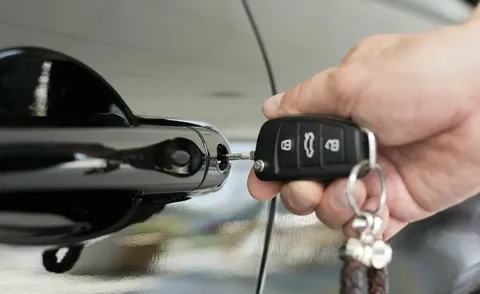

When a vehicle key stops working, the best choice depends on the car, the key technology, and how soon the driver needs to get moving. A dealership may offer factory-backed parts and records, while a mobile locksmith may provide on-site service and more flexible scheduling. Neither option is automatically better, and the right comparison starts with the vehicle identification number and the type of key involved. For many drivers, car key replacement in houston, tx is fastest to arrange through a mobile locksmith, but a dealer can be the safer fit for some newer or restricted systems; A&M Mobile Locksmith is one local option to compare with both.
Key Takeaways
-
A dealership may be the better fit when a vehicle needs brand-specific programming or a key covered by a warranty.
-
A mobile locksmith may save a tow and help when the vehicle is parked at home, work, or on the roadside.
-
The key type, vehicle year, number of working keys, and programming needs affect the final quote.
-
Drivers should confirm the total cost, ownership documents, warranty, and key testing before work begins.
Dealer and Mobile Locksmith: What Is Different?
A dealership is often the better choice when the vehicle needs a manufacturer-specific key or a programming step that local equipment cannot complete. A mobile locksmith is often more convenient when the driver needs help at the vehicle’s location. The right choice comes down to compatibility, urgency, cost, and the driver’s access to transportation.
Dealers usually work from the vehicle identification number, or VIN. They can order a factory key, check the vehicle record, and follow the maker’s programming process. This can matter for newer vehicles with a smart key, advanced immobilizer, or security system tied closely to the manufacturer. The tradeoff may be an appointment, a wait for a special-order part, or the need to transport the vehicle to the service department.
Car Key Replacement Services often involve a mobile locksmith who brings key-cutting and programming equipment directly to the vehicle. This can be helpful when all keys are lost, an ignition key will not turn, or the vehicle cannot be driven. A locksmith may also duplicate a working transponder key or replace a damaged key fob without requiring the car to be transported. However, equipment and service coverage vary by vehicle make and model, so drivers should confirm compatibility before scheduling an appointment.
Both choices should verify ownership before making a replacement. A driver may need identification, registration, a title, or other documents that connect them to the vehicle. Requirements differ, so asking before an appointment can prevent a wasted trip or delay.
Cost, Timing, and Vehicle Fit
The lowest advertised price is not always the final cost. A complete quote may include the key or fob, cutting, programming, labor, travel, emergency service, and testing. A dealer and a locksmith may describe these charges differently, so the driver should ask what the quoted amount includes.
The vehicle’s key system is a major cost factor. A basic metal key is usually a simpler job than a transponder key, remote fob, or proximity smart key. A transponder contains a small chip that must match the vehicle’s immobilizer. A smart key may also need a battery, remote pairing, and a security reset. These steps require more than cutting a metal blade.
The number of working keys also matters. Replacing one damaged key is different from creating new keys after every original key has been lost. When all keys are missing, the provider may need to add a new key and remove old keys from the vehicle’s memory. The driver should ask whether lost keys can be disabled, especially if they may have been taken.
Timing depends on the part, the vehicle, the provider’s tools, and the service location. A dealer may need to order a key or schedule programming. A mobile locksmith may be able to work at the vehicle, but they may still need to source a special key. A clear phone conversation about the year, make, model, trim, VIN, and key symptoms gives either provider a better chance to set realistic expectations.
What Each Option Can Handle
When comparing Houston car key services, drivers should first identify the problem rather than choose by business type alone. A broken blade, a dead remote battery, a lost fob, and a failed immobilizer can look similar at first but require different work.
-
A dealership may fit vehicles with uncommon systems, active factory coverage, or programming limits tied to the manufacturer.
-
A mobile locksmith may fit drivers who need on-site help, have no usable key, or cannot safely move the vehicle.
-
Either option may handle a duplicate when one working key is available and the replacement type is supported.
-
A dealer may be worth considering when the vehicle is nearly new and the key problem could fall under a service agreement or warranty.
A key fob that only stops locking the doors may need a battery or case repair, not full replacement. If the vehicle starts but the remote buttons fail, the driver should explain that detail. If the vehicle will not start after a key is inserted, the problem may involve the transponder, ignition, or immobilizer instead.
A provider should also explain whether the replacement is original equipment, an aftermarket part, or a refurbished unit. Each option can work in the right situation, but the part type may affect fit, button response, battery life, and warranty terms.
What to Confirm Before Work Starts
A car key replacement may be a useful option when the vehicle cannot be driven, but the same questions apply to a dealer or any other provider. The driver should confirm the plan before approving the job, especially when the first quote was given over the phone.
Ask for the total expected charge and whether travel, after-hours work, cutting, and programming are included.
-
Confirm the exact key type, including whether it is a transponder, remote fob, or proximity smart key.
-
Ask which ownership documents and identification the provider needs at the vehicle.
-
Confirm whether existing lost keys can be erased or disabled from the vehicle’s system.
-
Ask how the new key will be tested and what warranty covers the part and programming.
The driver should also ask what happens if the first key supplied is incompatible. A careful provider can explain whether a replacement part must be ordered, whether a second visit may be needed, and whether any fee applies if the vehicle’s system does not accept the key.
Before the work is finished, the driver should test every relevant function. That may include starting the vehicle, locking and unlocking the doors, opening the trunk, checking the alarm, and testing the remote buttons from a reasonable distance. Testing at the end is easier than discovering a problem after the provider has left.
Common Mistakes to Avoid
Most problems come from missing details, not from choosing one service type over the other. A few simple checks can prevent delays and unexpected charges.
-
Choosing a quote based only on the starting price without asking about programming or travel fees.
-
Giving only the vehicle’s model name when the year, trim, and key style may change the required part.
-
Assuming a dead key fob battery means the entire fob needs replacement.
-
Waiting to address a second or spare key until every working key has been lost.
A driver should be careful with online sellers that offer an uncut key or empty fob at a very low price. The part may not match the vehicle, and some sellers do not include programming. A local provider may still be able to use a customer-supplied part in some cases, but that should be confirmed before purchase because compatibility and warranty responsibility can become unclear.
Another overlooked issue is the difference between a duplicate and a full replacement. A duplicate copies an existing key, while a full replacement may require security programming and may involve removing missing keys from memory. The provider needs to know which situation applies before estimating the job.
Frequently Asked Questions
Can a Mobile Locksmith Replace a Smart Key?
Sometimes. The answer depends on the vehicle, the smart-key system, available programming equipment, and whether a compatible key is available. Some newer or restricted systems may still require a dealership or a manufacturer-authorized process.
Is a Dealership Always More Expensive?
No. The final cost depends on the key type, labor, programming, travel, and whether the part is factory or aftermarket. A dealer quote may be higher in one case, while a difficult vehicle or emergency locksmith visit may cost more in another.
What Documents Should a Driver Have Ready?
They should have government-issued identification and a document that links them to the vehicle, such as registration or a title. The exact requirements vary, so the driver should ask the provider before service begins.
Can a Lost Key Be Removed from the Vehicle’s System?
Often, a provider can erase or disable a missing key during programming, but the available procedure depends on the vehicle. The driver should ask directly because making a new key does not always remove every old key automatically.
Does Insurance Pay for a Replacement Key?
Coverage depends on the policy, deductible, roadside plan, and reason for the replacement. Some plans may help with lockout service but not pay for a new key. The driver should check the policy or contact the insurer before assuming coverage applies.
How Can a Driver Avoid Ordering the Wrong Key?
They should provide the full year, make, model, trim, VIN, and a clear description of the current key. A photo of the key can help, but the VIN and vehicle records are usually more useful for confirming the correct system.
Making the Final Choice
A dealer is usually a good fit when factory parts, brand-specific programming, or warranty support matter most. A mobile locksmith is often a practical fit when the vehicle is stranded, the driver needs on-site service, or a duplicate can be made without a dealership visit. Neither option should be selected from a headline price alone.
The best comparison uses the vehicle’s exact details and a complete quote. When the driver confirms compatibility, programming, ownership documents, testing, and warranty terms, they can choose the service that fits the vehicle and the situation rather than relying on assumptions.
Next Steps for the Driver
Before booking, the driver should gather the vehicle’s year, make, model, trim, VIN, and the number of working keys. They should ask whether the quoted service includes cutting, programming, key testing, and any travel or after-hours fee. A dealer or mobile locksmith can then explain the likely process and required ownership documents. Comparing those details first helps the driver choose based on fit, not just the lowest starting price, and reduces surprises when the replacement is completed, tested, recorded properly.
