

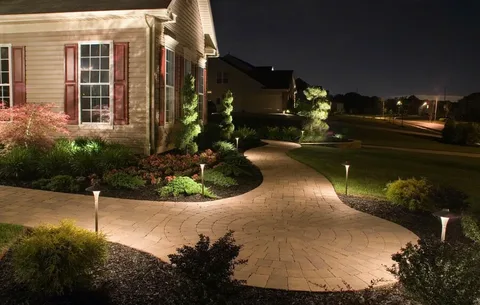
Landscape Lighting Contractor in Seattle, WA: What a Good Lighting Plan Includes

A good lighting plan balances safety, comfort, appearance, and easy upkeep instead of placing fixtures wherever there is space. It should show what each light will do, how bright it should be, where wiring will run, and how the system will be controlled. Economy Landscaping can help property owners review these details before installation begins. When someone compares a landscape lighting contractor in seattle, wa, they should look for a clear plan that fits the home, yard, weather, and daily routines.
Key Takeaways
-
A lighting plan should connect each fixture to a clear purpose.
-
Light placement must account for paths, steps, windows, plants, and neighbors.
-
Beam angle, color temperature, and brightness affect comfort as much as appearance.
-
Wiring, transformers, controls, drainage, and future repairs belong in the plan.
-
A marked layout makes design proposals easier to compare before work starts.
1. Start With Goals and Priorities
The plan should begin with the property owner's needs, not with a list of fixtures. They may want safer steps, a welcoming entry, better use of a patio, or a way to show off mature trees. Some areas may need gentle light for movement, while others only need a small visual accent.
Safety and appearance should work together. Path lights can mark changes in grade without making a walkway look like a runway. Uplighting can bring attention to a tree or wall, but the beam should stay away from bedroom windows and nearby roads. A good design also leaves some darker areas so the yard feels natural at night.
The plan should note how the property is used after sunset. A family that entertains on a patio may need even, low-glare light near seating. A household that mainly arrives through a side gate may place more attention on that route than on the front garden.
2. What a Complete Lighting Plan Should Show
A complete plan does more than mark where fixtures will sit. It explains the purpose, type, and placement of the proposed equipment so the finished result can be checked against the original idea.
-
A scaled or clearly marked layout of paths, steps, doors, patios, plants, and structures.
-
The purpose of each fixture, such as path lighting, uplighting, downlighting, or wall washing.
-
Fixture locations, aiming direction, beam angle, and areas that should remain free of glare.
-
Cable routes, connection points, transformer location, and access for future service.
-
Control details, including timers, photocells, switches, or app-based settings when appropriate.
A landscape lighting contractor in Seattle, WA can help determine the appropriate color temperature and brightness for different outdoor areas. Warm light often creates a more comfortable atmosphere around homes, while cooler tones can change how plants, stone, and painted surfaces appear after dark. The right choice depends on the home's exterior, existing outdoor fixtures, surrounding landscape, and the atmosphere the property owner wants to create.
3. Site Conditions That Shape the Plan
The property itself should determine the final design. Seattle outdoor lighting design needs to account for wet ground, cloudy evenings, planted areas, slopes, decks, fences, and the way water moves across the site. These conditions affect fixture placement and the long-term care of buried wiring.
A site review should look for low spots where water may collect, roots that could be disturbed, and narrow planting beds that leave little room for service. It should also note surfaces that reflect light, such as pale siding, windows, and wet paving. Reflections can create unwanted brightness even when the fixture seems modest.
-
Walkways, stairs, and changes in elevation that need clear visibility.
-
Trees and shrubs that may grow into the light path or block a fixture later.
-
Decks, retaining walls, fences, and other surfaces that can hide or reflect light.
-
Nearby windows, streets, and neighboring homes that require careful aiming.
Rain does not remove the need for maintenance planning. Fixtures should be placed where they can be reached, cleaned, adjusted, and inspected without damaging plants or hardscape. A design that looks good on installation day may need changes as trees grow and garden beds mature.
4. Reviewing the Plan Before Installation
The best time to find a design problem is before trenching and wiring begin. Property owners reviewing Puget Sound landscape lighting proposals should ask whether the layout shows the whole outdoor area, not just the most attractive features. They should be able to understand how the system will look from the house, sidewalk, driveway, and neighboring properties.
-
Does every proposed light have a clear job?
-
Are steps and paths lit without creating harsh spots or dark gaps?
-
Can the fixtures be adjusted if plants grow or outdoor furniture moves?
-
Is the transformer easy to reach, and does the control plan fit daily habits?
-
Will the system allow another zone or fixture if the yard changes later?
A night demonstration can be useful when the design is complex. Temporary fixture placement may reveal glare, weak coverage, or an unwanted beam on a window. It can also help property owners compare warm and cool color temperatures before they commit to a full installation.
The review should include the materials as well as the appearance. Outdoor fixtures need suitable construction for their location, and cable routes should be planned to reduce accidental damage from gardening or later landscape work. Local electrical requirements should also be confirmed before installation.
Fixtures, Light Quality, and Controls
Fixture type matters because each design goal calls for a different spread of light. Path lights cast light downward along walking areas. Spotlights create a narrower beam for trees or features. Downlights mounted above can imitate natural light, but they require careful aiming to prevent glare. A wall wash spreads light across a broad surface and can expose uneven placement if the wall is not suitable.
Brightness should be matched to the task. More light is not always safer or more attractive. Excess brightness can reduce night vision, create glare, and make nearby areas seem darker by comparison. Proper spacing and aiming often matter more than adding extra fixtures.
Controls should be simple enough for regular use. A photocell can respond to changing daylight, while a timer can limit operating hours. Separate zones may let property owners keep entry lights on longer than garden accents. The plan should state where controls are located and how someone can adjust them without specialized tools.
Common Mistakes That Weaken a Lighting Plan
One common mistake is designing from a daytime view only. A fixture may disappear behind foliage at night, or a bright surface may reflect light into a room. The plan should consider important views from both inside and outside the home.
Another mistake is using the same fixture spacing everywhere. A straight row of identical lights can look rigid, while uneven spacing around steps can leave confusing dark spots. The design should respond to movement, sightlines, and the shape of the landscape.
Poor access creates problems later. Fixtures hidden under dense plants, transformers placed behind stored items, and cables routed through likely digging areas can all make basic service harder. A plan should protect the landscape while leaving enough room for inspection and adjustment.
Maintenance, Budget, and Future Changes
A useful plan considers the full life of the system, not only installation. Property owners should understand which parts need occasional cleaning, seasonal aiming, lamp replacement, or plant trimming. They should also know whether the controls and transformer can support a later addition.
Cost comparisons are clearer when proposals describe similar work. The review should separate fixtures, wiring, controls, labor, site repairs, and optional features. A lower initial price may not represent the same coverage or access for future maintenance.
The landscape will change. Trees become wider, shrubs grow taller, and outdoor rooms may gain furniture or a grill. A plan with spare capacity and reachable equipment gives the property more flexibility without requiring a full redesign.
Frequently Asked Questions
How Many Lights Does a Small Yard Need?
There is no useful number that fits every yard. The answer depends on path length, steps, planting, viewing angles, and the desired level of light. A careful plan uses enough fixtures to support safe movement and visual balance without filling every dark space.
Should Landscape Lighting Be Warm or Cool?
Warm light is often comfortable near living areas and can complement wood, brick, and natural stone. Cooler light may suit certain modern finishes or specific plants. The best choice should be tested against the home's exterior colors and existing outdoor lighting.
Where Should the Transformer Be Located?
It should be placed in an accessible, protected location with room for connections and future service. The location also needs a suitable power source and a cable route that avoids likely digging or construction areas. The final setup should follow applicable electrical requirements.
Can Existing Outdoor Lights Be Included in a New Plan?
Yes, if their position, condition, brightness, and wiring work with the proposed system. Existing fixtures may create mismatched color or unwanted glare, so they should be reviewed rather than assumed to fit automatically.
How Can Glare Be Reduced?
Glare is reduced through careful aiming, shielding, lower mounting positions, suitable beam angles, and placement away from direct views. Fixtures should be checked from common standing and sitting locations, including inside nearby rooms.
Does Landscape Lighting Require Ongoing Maintenance?
Most systems benefit from periodic inspection. Leaves, dirt, plant growth, shifted fixtures, and damaged cables can change the result over time. A maintenance plan helps keep paths visible and prevents small problems from becoming larger repairs.
Conclusion: Build the Plan Around the Property
A good lighting plan connects purpose, placement, light quality, wiring, controls, and maintenance. It also respects the property's slopes, plants, windows, neighbors, and changing seasons. By reviewing those details before installation, property owners can choose a system that feels comfortable at night and remains practical to care for as the landscape grows.
Next Steps for a Lighting Plan
A clear lighting plan gives property owners a better basis for comparing design proposals and deciding what belongs in the first installation. Before work begins, they can request a marked layout, fixture schedule, control plan, and maintenance notes. A qualified local contractor can then review beam angles, wiring routes, drainage concerns, and future expansion options at the property. This early conversation helps turn outdoor lighting goals into a practical, comfortable system that fits the home and neighborhood for years ahead.
