

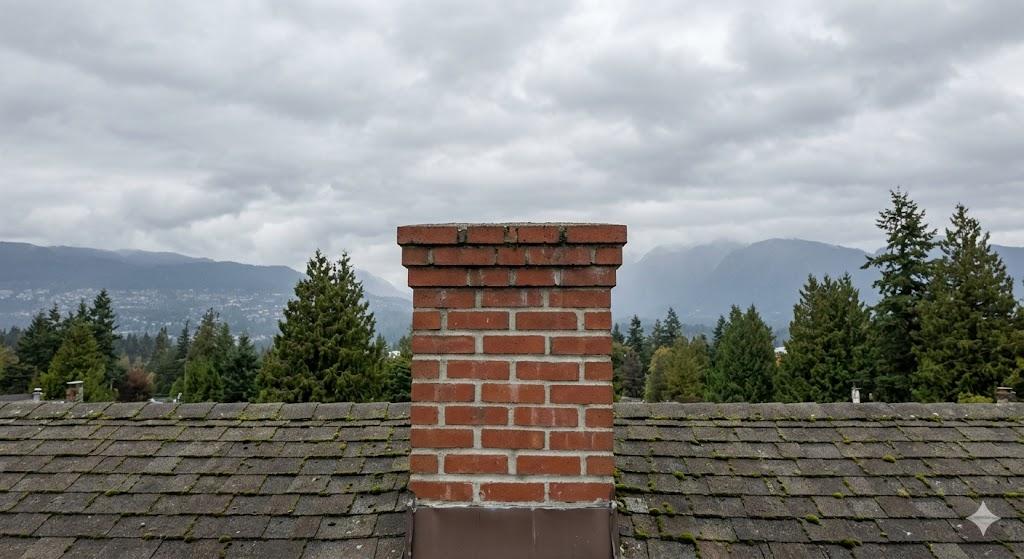
The Overlooked Chimney Component That Protects Your Home: Why Inspections and Chimney Crown Maintenance Matter
When homeowners think about chimney maintenance, they often focus on bricks, fireplaces, and smoke ventilation. However, one important component deserves just as much attention: the chimney crown. Located at the top of the chimney, this protective structure helps prevent rainwater, snow, and debris from entering the masonry. Over time, exposure to harsh weather and temperature fluctuations can cause cracks and deterioration that may lead to expensive structural problems. Regular chimney inspections help identify these issues early, while timely chimney crown repairs protect the surrounding brickwork and extend the life of the chimney. Understanding how this component works and recognizing signs of damage can help homeowners maintain a safer and more dependable fireplace.
What Is a Chimney Crown and Why Is It Important?
A chimney crown is the protective surface located at the top of a masonry chimney. It typically extends beyond the chimney walls and slopes away from the flue opening to direct rainwater away from the structure.
Unlike a chimney cap, which covers the flue opening, the crown protects the upper masonry from direct water exposure.
A properly constructed chimney crown performs several important functions:
-
Directs rainwater away from the chimney structure.
-
Reduces moisture penetration into bricks and mortar.
-
Protects the upper masonry against weather-related deterioration.
-
Helps prevent cracks caused by repeated moisture exposure.
-
Supports the long-term durability of the chimney.
Without adequate protection, water can gradually enter small openings and weaken the surrounding masonry.
Why Regular Chimney Inspections Matter
Many chimney problems begin with minor defects that are difficult to notice from ground level. Small crown cracks, deteriorating mortar joints, and damaged flashing may go unnoticed until water stains or structural damage become visible.
Professional chimney inspections help identify these concerns before they require extensive restoration.
During an inspection, qualified technicians may examine:
1. Chimney Crown Condition
The crown is checked for cracks, surface deterioration, missing sections, and signs of water penetration.
2. Exterior Brickwork
Bricks and mortar joints are examined for loose materials, crumbling mortar, and moisture-related damage.
3. Chimney Cap
The technician checks whether the cap is properly secured and protecting the flue from rain, birds, and debris.
4. Flashing and Roof Connection
Flashing is examined to identify possible gaps or damaged seals that could allow water to enter the home.
5. Internal Flue and Liner
The interior is checked for creosote accumulation, obstructions, and visible deterioration.
The National Fire Protection Association recommends inspecting chimneys, fireplaces, and vents at least once a year, even when they are not used frequently.
Common Signs Your Chimney Crown Needs Attention
A damaged chimney crown does not always create immediate problems inside the home. However, several warning signs can indicate that professional attention is necessary.
Visible Cracks on the Crown
Small cracks can develop because of weather exposure, aging materials, and repeated temperature changes. These openings may allow rainwater to enter the masonry.
Water Stains Around the Fireplace
Brown marks on nearby ceilings or walls may indicate moisture entering through the chimney. The crown is one possible source, although flashing and other components should also be evaluated.
Deteriorating Bricks Near the Top
When water enters through a damaged crown, the surrounding masonry may begin to deteriorate. You might notice loose mortar, cracked bricks, or flaking surfaces.
White Deposits on Exterior Masonry
White powdery stains, known as efflorescence, occur when moisture carries soluble salts through masonry. These deposits can indicate water movement within the chimney structure.
Loose or Damaged Crown Sections
If sections of the crown appear broken or unstable, the protective surface may no longer direct water away effectively.
Ignoring these warning signs can allow moisture-related deterioration to spread to other parts of the chimney.
What Causes Chimney Crown Damage?
Several environmental and structural factors contribute to crown deterioration.
-
Freeze-Thaw Cycles: Water enters small cracks, freezes, expands, and gradually makes the openings larger.
-
Heavy Rainfall: Continuous exposure to rain can weaken poorly constructed or aging crown materials.
-
Temperature Fluctuations: Repeated heating and cooling can contribute to material expansion and contraction.
-
Improper Construction: Incorrect slopes, insufficient overhangs, and unsuitable materials may reduce the crown's durability.
-
Natural Aging: Even well-built chimney crowns eventually experience wear and may require maintenance or restoration.
Understanding the cause of damage is important because simply covering visible cracks without addressing the underlying problem may lead to recurring repairs.
Professional Chimney Crown Repair and Restoration Options
The appropriate repair depends on the crown's material, condition, and severity of deterioration.
1. Minor Crack Repair
Small cracks may be repaired using suitable masonry repair materials or specialized crown sealants, depending on the condition of the surface.
2. Crown Resurfacing
When the surface has deteriorated but the underlying structure remains suitable, resurfacing may help restore its protective function.
3. Crown Rebuilding
Severely damaged or improperly constructed crowns may require partial or complete rebuilding. This allows technicians to restore the correct slope and protective overhang.
4. Waterproofing Treatment
A suitable breathable waterproofing treatment may help reduce moisture absorption while allowing water vapour to escape from the masonry.
5. Chimney Masonry Repairs
If crown damage has affected nearby bricks and mortar, additional masonry restoration may be necessary to protect the entire structure.
Professional evaluation helps determine the most appropriate approach rather than relying on temporary solutions.
How to Protect Your Chimney Crown Throughout the Year
Preventive maintenance can help reduce the likelihood of unexpected chimney problems.
Consider these practical maintenance habits:
-
Schedule professional chimney inspections at least once a year.
-
Check for visible cracks and deterioration after severe weather.
-
Keep the chimney cap securely installed.
-
Address roof flashing problems promptly.
-
Repair damaged mortar joints before moisture spreads.
-
Avoid using unsuitable sealants on masonry surfaces.
-
Seek professional advice when water stains or unusual fireplace problems appear.
These simple steps can help preserve the chimney crown and protect the surrounding masonry.
Give Your Chimney the Protection It Deserves
The chimney crown may not receive much attention, but it plays a major role in protecting your home's chimney structure from moisture and weather damage. Even small cracks can create opportunities for water penetration and gradual masonry deterioration.
Regular chimney inspections help uncover developing problems, while appropriate chimney crown repairs restore an important layer of protection.
Whether your chimney needs minor crack repairs, resurfacing, waterproofing, or complete crown restoration, addressing the problem early can help prevent more extensive damage. Make chimney maintenance a priority and protect your home's fireplace system for years to come.
