

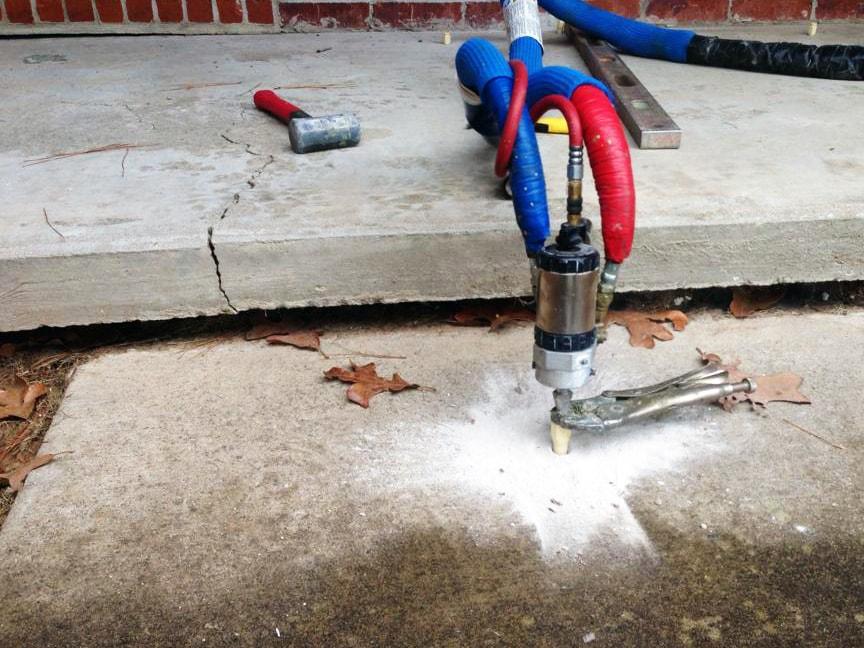
How Long Does Concrete Lifting Last for Annandale, MN Properties With Proper Installation and Maintenance?

Concrete lifting can last for many years when the existing slab is in good condition, the foam is installed correctly, and the soil beneath it remains stable. However, there is no guaranteed lifespan for every repair. In Annandale, MN, drainage problems, soil movement, freeze-thaw cycles, and poor installation can affect how long lifted driveways, sidewalks, patios, and garage floors stay level. A detailed concrete lifting guide can help property owners understand these factors.
This guide explains how long concrete lifting can last, which factors affect its durability, and how proper installation and maintenance can help prevent future settlement in Annandale, MN.
What Determines How Long Concrete Lifting Lasts?
Concrete lifting uses injected material to fill voids beneath a settled slab and raise it toward the desired level. The American Concrete Institute explains in its slabjacking repair guide that settlement, erosion, flooding, and soil shrinkage can cause concrete slabs to move.
The repair can last longer when these underlying conditions are properly assessed and addressed.
Slab Condition and Installation Quality
A sound slab with limited cracking is generally a better candidate for lifting than concrete with severe damage. The contractor must select suitable injection points, control the lifting process, and avoid putting excessive pressure on weak areas.
Poorly planned lifting may leave sections uneven or worsen existing cracks. If the slab is crumbling or structurally damaged, replacement may be the more reliable option.
Soil Support and Drainage
The ground beneath the concrete plays a major role in long-term performance. If water continues to wash away soil or the supporting ground keeps shifting, the slab may settle again even after a successful lift.
A proper assessment should identify drainage problems, erosion, and unstable soil before work begins.
How Can Property Owners Maintain Lifted Concrete?
Concrete lifting does not remove the need for routine care. Homeowners and commercial property managers can help protect the repair by watching for water problems, new movement, and damage around the slab.
Practical maintenance steps include:
-
Direct Water Away: Keep downspouts and drainage paths from discharging water beside driveways, patios, and walkways.
-
Check for New Gaps: Inspect slab edges and joints for widening gaps, renewed sinking, or changes in slope.
-
Maintain Joints and Seals: Repair suitable joint sealants when they deteriorate, using materials appropriate for the concrete and exposure.
-
Address Problems Early: Have new movement or water pooling assessed before it leads to further damage.
-
Avoid Assuming the Repair Is Permanent: Foam lifting restores support, but it cannot guarantee that future soil movement will never occur.
Maintenance should focus on the conditions around the slab as well as its surface. Simply filling a visible crack will not correct ongoing soil erosion beneath the concrete.

Foam Lifting vs. Mudjacking: Which Repair May Last Longer?
Polyurethane foam lifting and mudjacking both raise settled concrete, but they use different materials. Neither method has a fixed lifespan that applies to every property. Actual performance depends on the slab, soil conditions, installation, and ongoing maintenance.
|
Repair Method |
Main Characteristics |
What Affects Longevity? |
|
Polyurethane Foam Lifting |
Uses expanding foam injected through small holes beneath the slab |
Foam selection, injection quality, slab condition, drainage, and soil stability |
|
Mudjacking |
Uses a cement-based slurry to fill voids and raise concrete |
Slurry placement, supporting soil, water movement, and slab condition |
|
Concrete Replacement |
Removes damaged concrete and installs a new slab |
Base preparation, compaction, concrete placement, curing, drainage, and joint maintenance |
The Federal Highway Administration’s concrete pavement preservation guide discusses polyurethane foam slab stabilization and reports mixed results across different applications. This is a useful reminder that results from one project cannot guarantee the same outcome at another property.
Advantages and Limitations of Foam Lifting
Advantages
-
Less Demolition: The existing slab can often remain in place, reducing removal work and waste.
-
Limited Surface Disturbance: Small injection holes usually mean less disruption to nearby landscaping than full replacement.
-
Potentially Quick Repairs: Many projects take less time than removing and pouring a new slab, depending on the size and site conditions.
Limitations
-
Not Suitable for Every Slab: Severely cracked, crumbling, or structurally damaged concrete may need replacement.
-
Underlying Problems Can Remain: Lifting alone does not correct every drainage or soil issue.
-
Appearance Does Not Become New: Old stains, cracks, and surface wear may remain after the slab is raised.
How Annandale’s Weather Affects Concrete Lifting
Minnesota winters bring freezing temperatures, while seasonal snowmelt and rain can increase moisture around concrete slabs. Water can enter cracks or reach the soil beneath a driveway or sidewalk. Freezing and thawing, combined with changes in soil support, may contribute to movement.
Best Practices for Seasonal Protection
Property owners should pay attention to drainage before winter and after spring thaw. Downspouts should direct water away from concrete, and low spots that collect water should be assessed.
A contractor should also confirm that temperature, ground conditions, and the selected polyurethane product meet the manufacturer’s requirements during installation. Proper preparation matters because a repair performed under unsuitable conditions may not deliver the expected result.
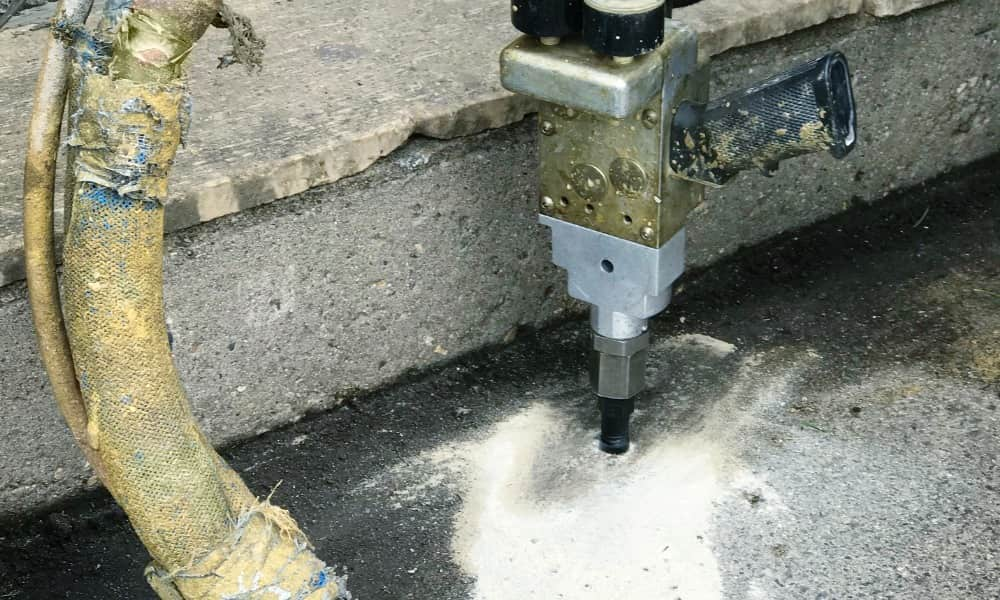
What Are the Signs That Lifted Concrete Needs Attention?
A lifted slab should remain reasonably stable after the repair, but property owners should watch for changes that may indicate renewed settlement or another underlying problem.
Common warning signs include:
-
Water Pooling: Water collects in the same low area after rain, suggesting the slope or drainage may still be a problem.
-
New Uneven Edges: A trip hazard reappears where two concrete sections meet.
-
Widening Cracks: Existing cracks grow or new cracks develop as the slab moves.
-
Gaps Beneath the Slab: Visible gaps along an edge may indicate lost support or further ground movement.
These signs do not automatically mean the foam has failed. The cause could be continued soil movement, drainage issues, or damage to the original slab. An inspection can help determine whether further lifting, drainage work, crack repair, or replacement is appropriate.
Why Consider Peak Spray Foam Insulation?
Peak Spray Foam Insulation offers concrete lifting services in Annandale, MN. Its polyurethane foam service is intended for settled surfaces such as driveways, sidewalks, patios, garage floors, and suitable commercial concrete.
Before work begins, property owners should ask for an assessment of the slab, supporting soil, and drainage conditions. They should also confirm the proposed repair method, expected results, surface-use timing, and any warranty terms or limitations.
Conclusion
Concrete lifting can provide a long-lasting repair when the slab is suitable, installation is done correctly, and the cause of settlement is addressed. Its lifespan depends on more than the injected foam. Soil stability, drainage, weather exposure, and ongoing maintenance all matter.
For Annandale property owners, regular inspections and early attention to drainage problems can help protect lifted concrete. A professional assessment can determine whether foam lifting is suitable or if another repair is more likely to provide lasting results.
Contact Peak Spray Foam Insulation
Property owners in Annandale, MN, can contact Peak Spray Foam Insulation to discuss settled concrete and request an assessment.
-
Email: [email protected]
-
Phone: (612) 482-4742
Frequently Asked Questions
Can Concrete Lifting Be Done Again if the Slab Sinks?
Yes, if the slab remains in good condition. A contractor should inspect the cause of settlement before recommending another lift.
Does Concrete Lifting Come With a Warranty?
Warranty terms vary by contractor. Property owners should check coverage, duration, and exclusions for soil movement or drainage issues.
Can Lifted Concrete Handle Heavy Equipment?
It depends on the slab, soil support, and expected loads. Contractors should know about heavy trucks, forklifts, or snowplows before recommending a repair.
Is Concrete Lifting Worth It for Older Driveways?
It can be worthwhile if the concrete is still repairable. Severely cracked or crumbling slabs may be better candidates for replacement.
Author & Reviewer
Author: Wayne Dearing is the Owner and President of Peak Spray Foam Insulation, a family-owned insulation contractor based in Annandale, Minnesota, established on March 23, 2020. With years of experience in the insulation industry, Wayne has built his career on quality workmanship, strong relationships, and a commitment to raising industry standards. Under his leadership, Peak has grown into one of Minnesota’s qualified insulation contractors, with multiple SPFA PCP-certified Master Installers and a Certified Project Manager on staff. Wayne also serves on the Spray Polyurethane Foam Alliance Board, supporting education, safety, and contractor development.
Reviewer: Charlotte King reviewed this article based on her 7 years of spray foam experience, contributing thoughtful advice about building customer relationships and improving local visibility.
