

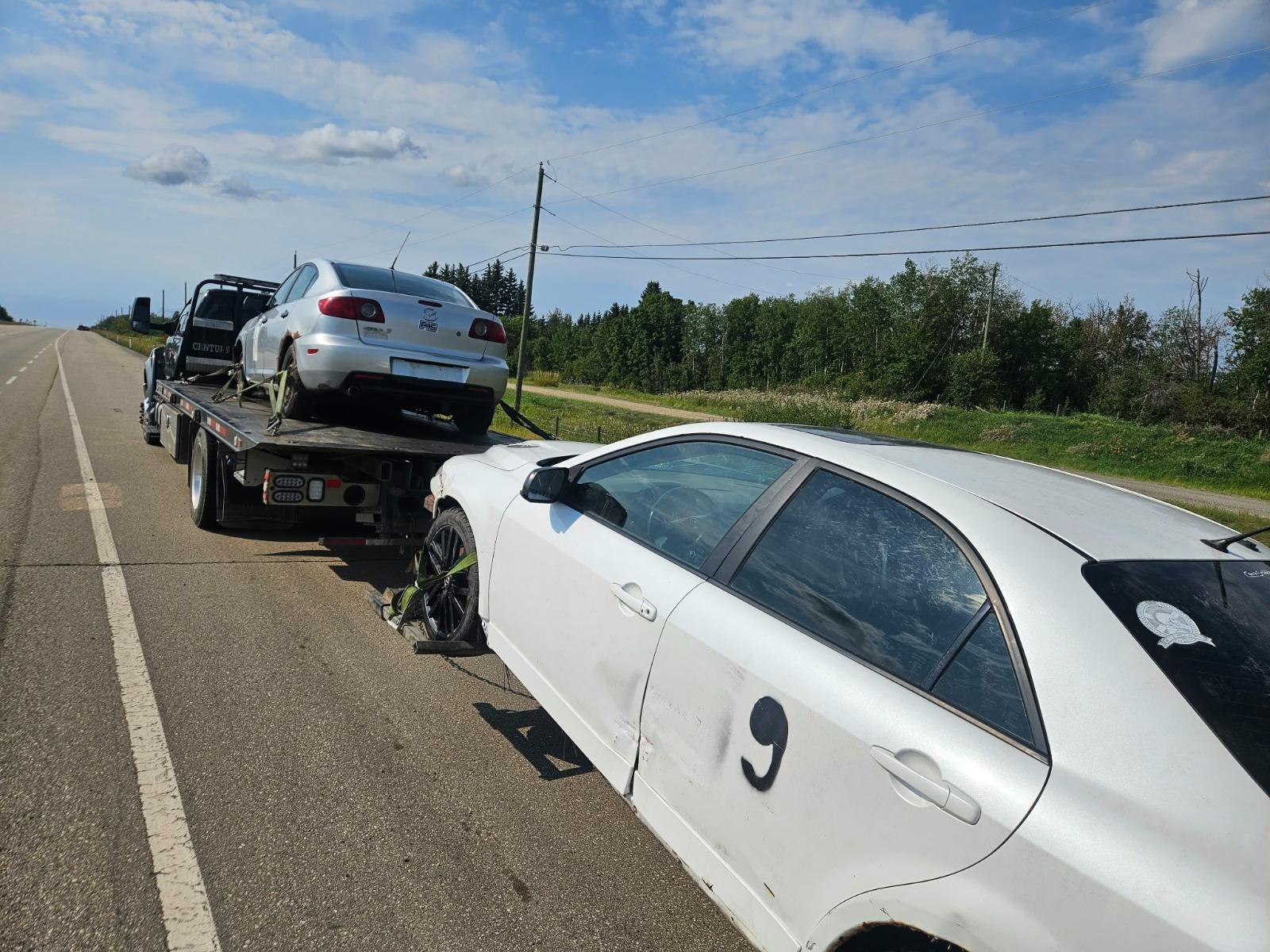
Why Might an Older Vehicle Be More Useful as a Parts Donor Than as a Daily Driver?
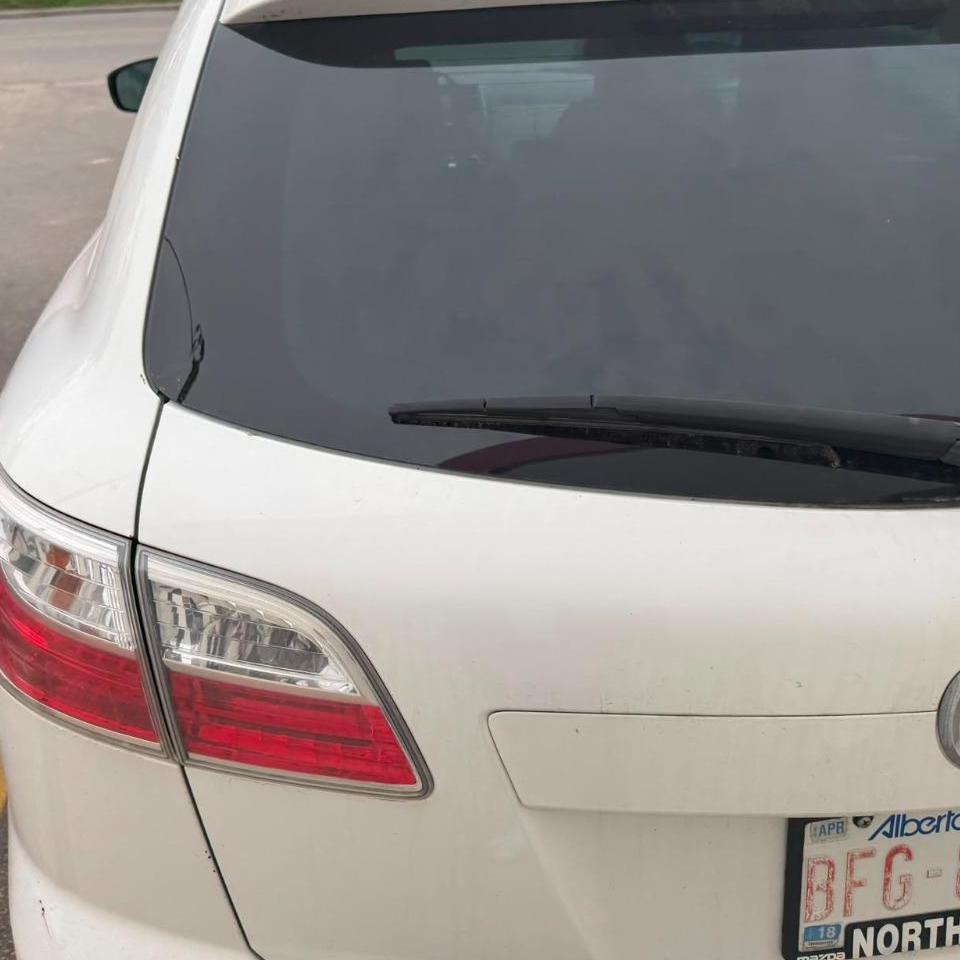
An older vehicle may eventually reach a point where keeping it on the road becomes more expensive than its practical value. Frequent mechanical problems, expensive repairs, poor fuel efficiency, and difficulty finding replacement parts can make daily driving less convenient. However, this does not necessarily mean the vehicle has become worthless.
Even when an older car is no longer reliable enough for regular transportation, many of its components may still be useful. Mechanics, automotive recyclers, and parts buyers often look for vehicles that can provide functional replacement components for other cars.
Understanding why an older vehicle may be more valuable as a parts donor can help owners make informed decisions about selling, repairing, or recycling an unwanted car.
1. Functional Components Can Still Have Value
One of the main reasons an older vehicle can serve as a useful parts donor is that not every component wears out at the same time.
For example, a car with a failed engine may still contain several functional components, including:
-
Alternators and starter motors
-
Doors and mirrors
-
Headlights and taillights
-
Wheels and suspension components
-
Seats and interior accessories
-
Electrical components
These parts may be recovered and reused if they are in suitable condition.
Instead of viewing the entire vehicle as unusable, parts buyers evaluate which individual components can still serve a purpose.
2. Repairing the Vehicle May Cost More Than Its Market Value
Older vehicles often develop multiple mechanical problems as they accumulate mileage.
An owner may initially need to replace a battery or repair a minor leak. However, additional problems involving the transmission, suspension, cooling system, or engine may appear over time.
When several major repairs are required, the total expense can become difficult to justify.
For example, spending thousands of dollars repairing an older vehicle may not make financial sense if its resale value remains relatively low.
In such situations, selling the vehicle for parts or recycling may be a more practical alternative.
3. Replacement Parts Can Be Difficult to Find
Some older vehicles contain components that are no longer regularly manufactured.
This can make repairs challenging for owners who want to keep their cars operational. However, it can also create demand for original used components.
Parts buyers may look for:
-
Discontinued dashboard components
-
Original body panels
-
Compatible engine components
-
Factory electrical modules
-
Older transmission parts
-
Model-specific interior accessories
When these components remain in usable condition, an older vehicle can provide valuable resources for repairing other vehicles of the same model.
4. Popular Models Can Supply In-Demand Components
The make and model of an older vehicle can influence its usefulness as a parts donor.
Vehicles that remain common on the road may have an ongoing demand for replacement components. Mechanics and vehicle owners often prefer compatible used parts when new replacements are expensive or difficult to obtain.
For example, a popular older sedan may provide doors, mirrors, alternators, or suspension components that can be used to repair another vehicle of the same generation.
This means an older vehicle's usefulness does not depend entirely on whether it can still be driven.
5. A Parts Donor Can Help Reduce Automotive Waste
Automotive recycling gives older vehicles another purpose by recovering components and materials that might otherwise be discarded.
Usable parts can be removed and prepared for reuse, while materials such as steel, aluminium, and copper can enter appropriate recycling processes.
This approach helps reduce unnecessary waste and makes better use of resources already present in the vehicle.
Parts recovery can also reduce the need to manufacture certain replacement components from new materials.
6. Accident Damage Does Not Always Affect Every Component
A vehicle involved in an accident may no longer be safe or economical to drive. However, damage to one section does not automatically make the entire vehicle unusable.
For example, a collision affecting the front bumper and radiator may leave the rear doors, interior, wheels, and certain electrical components undamaged.
Similarly, a vehicle with significant body damage may still contain reusable mechanical components.
Parts buyers assess the location and severity of damage before deciding which components can be recovered.
7. Older Vehicles May Have More Value When Sold Complete
Removing individual components before selling an older vehicle may seem like a way to earn additional money. However, dismantling it without a clear plan can reduce its overall appeal.
A complete vehicle allows professional buyers to inspect its condition and identify potential parts without dealing with numerous missing components.
It can also make transportation and handling easier.
Owners considering selling their unwanted vehicles can explore cash for cars calgary options to understand what their complete vehicle may be worth before removing any original components.
8. Parts Buyers Consider More Than the Engine
Many vehicle owners assume that the engine determines most of a car's remaining value. While it is an important component, parts buyers also consider several other systems.
These may include:
-
Transmission and drivetrain
-
Steering and suspension
-
Electrical systems
-
Interior equipment
-
Exterior body components
-
Wheels and tires
-
Cooling and braking components
Even when the engine has completely failed, other parts may still have practical value.
The actual value depends on their condition, compatibility, and current market demand.
9. Selling for Parts Can Be More Convenient Than Private Selling
Finding a private buyer for an older vehicle can take time, especially when it has serious mechanical problems.
Potential buyers may request test drives, inspections, repair estimates, or price negotiations. A non-running vehicle can also create transportation challenges.
Professional junk car buyers provide another option for owners who want to sell vehicles that are no longer practical to maintain.
Services offering cash for junk cars can help owners explore selling unwanted vehicles without first investing in expensive mechanical repairs.
Before accepting an offer, provide accurate information about the vehicle's condition, mileage, missing components, and ownership documents.
Tips for Preparing an Older Vehicle for Sale
If you are considering selling an older car as a parts donor, a few simple steps can make the process easier.
-
Keep the vehicle intact: Avoid removing major components before getting an evaluation.
-
Identify mechanical problems: Make a list of known engine, transmission, and electrical issues.
-
Check the exterior condition: Mention any accident damage, rust, or missing body panels.
-
Gather ownership documents: Keep available registration and ownership information ready.
-
Take clear photographs: Include the interior, exterior, engine compartment, and dashboard.
-
Compare available offers: Contact professional buyers and understand what their offers include.
These steps can help buyers evaluate the vehicle more accurately and reduce unnecessary delays.
Conclusion
An older vehicle may be more useful as a parts donor than as a daily driver when its repair costs become excessive, replacement components are difficult to find, or its reliability is no longer suitable for regular transportation.
Even when a car cannot return to the road, its functional components may still support repairs for other vehicles. Its recyclable materials can also contribute to responsible automotive recycling.
Rather than spending more money maintaining an unreliable vehicle, owners can consider having it evaluated by a professional buyer. Keeping the vehicle complete and providing accurate information can make the selling process more straightforward while helping recover value from an otherwise unwanted car.
