

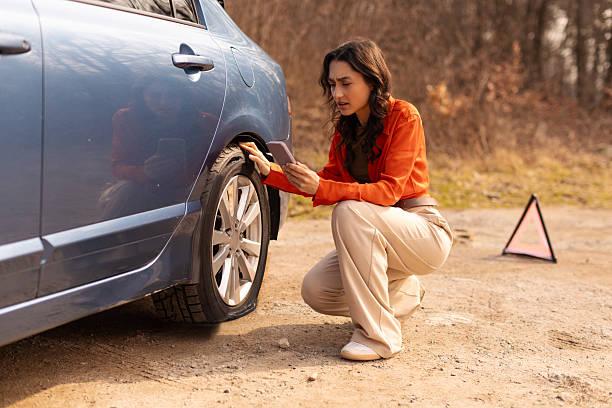
Mobile Tire Service in Corolla, NC: When On-Site Repairs Make More Sense Than Towing

A flat tire can change a short drive through Corolla into a long wait beside the road. The first choice is not always a tow truck; it depends on where the vehicle stopped, what failed, and whether the car can be worked on safely. A tire with a small tread puncture may need a repair or replacement, while a crushed wheel or unsafe location calls for recovery. For those situations, mobile tire service in Corolla, NC can bring tire help to the vehicle, and North Beach Recovery helps explain when that option fits better than towing.
Key Takeaways
-
On-site tire help fits vehicles in safe, reachable places with limited tire damage.
-
A tow is safer when the wheel, axle, or vehicle is badly damaged.
-
Soft sand, traffic, and an unsafe shoulder can change the right choice.
-
Clear details about the tire and location help the responding team prepare.
On-site service is usually the better first call when the vehicle is in a safe, reachable spot and the problem is limited to the tire. A technician may inspect the tread, check air pressure, repair an eligible puncture, mount a replacement, or fit the spare tire. A tow becomes the better choice when traffic, wheel damage, soft ground, or a disabled vehicle makes roadside work unsafe. The key is to describe the scene clearly before help is sent.
1. Mobile Tire Service in Corolla, NC: The Basic Choice
Mobile tire service in Corolla, NC brings tools, an air compressor, a jack, and replacement equipment to a stopped vehicle. Depending on the provider and the tire involved, the visit may include inflation, a tire change, a puncture assessment, or installation of a new tire. Some providers can repair a tread puncture, but damage near the sidewall or shoulder often requires replacement instead.
Towing moves the vehicle to another location for inspection or repair. It makes more sense when the wheel is bent, the tire has come off the rim, the axle may be damaged, or the vehicle cannot roll safely. A driver should also ask what equipment is available before dispatch, since not every mobile unit carries every tire size or specialty tool.
2. What to Do While Waiting for Help
The first step is to stop in the safest place available without driving on a severely flat tire. Hazard lights should be turned on, the parking brake set, and passengers kept away from traffic. Drivers should not stand behind or beside the vehicle while watching for help, especially on a busy road.
A precise location makes dispatch easier. Useful details include the road name, nearest landmark, direction of travel, beach access name, and a dropped map pin when possible. The caller should also report the tire size, vehicle type, spare-tire condition, and any warning lights. If the spare is missing or its air pressure is unknown, that fact should be shared before the unit arrives.
What to Do While Waiting
-
Stay in a safe place away from passing vehicles.
-
Keep hazard lights on when conditions require them.
-
Share exact location and vehicle details.
-
Avoid using a jack on soft sand or an uneven shoulder.
3. How to Compare the Two Options
Cost matters, but safety and the type of damage should come first. A mobile visit may avoid moving a vehicle that only needs a tire change, while a tow may be more useful if the vehicle needs a shop inspection. Service fees, tire costs, travel distance, and available inventory can vary, so the driver should request the full price and service description before authorizing work.
When calling for Corolla roadside assistance, the driver should ask whether the visit includes a repair, replacement tire, spare installation, or only towing. They should also share the vehicle make, model, tire size if known, and whether the tire is punctured, shredded, or simply low. These details help the provider decide what equipment to bring.
Time and conditions also affect the decision. Darkness, heavy traffic, rain, nearby water, children, or pets may make a roadside repair less comfortable or less safe. If the vehicle can remain in a protected spot, waiting for a tire unit may be reasonable. If the scene is changing or becoming dangerous, recovery should take priority.
4. When Towing Is the Safer Choice
Outer Banks towing may be the safer answer when the vehicle is in a live lane, near a blind turn, on a narrow shoulder, or too close to passing traffic. A blowout that damages the sidewall, a bent rim, broken wheel studs, or signs of suspension damage also calls for more than a basic tire change. Driving farther on a flat tire can turn a small problem into wheel or undercarriage damage.
A vehicle stuck in deep sand, mud, or another soft surface may need recovery equipment rather than ordinary tire service. The driver should explain the ground conditions and whether the vehicle can move under its own power. A flatbed tow may be suitable for some damaged or all-wheel-drive vehicles, but the correct equipment depends on the vehicle and the problem.
Reasons a Tow or Recovery May Be Safer
-
The vehicle cannot roll or steer normally.
-
The wheel, axle, or suspension may be damaged.
-
The stopping place exposes people to moving traffic.
-
Soft ground prevents safe use of a jack.
5. When an On-Site Visit Makes Sense
An on-site visit can work well when the vehicle is fully off the travel lane, has firm ground beneath it, and has one clear tire problem. A small nail in the main tread area may be repairable after inspection, and drivers weighing the price can look at typical tire repair costs before the call. A flat tire may also be handled by fitting a usable spare or mounting a replacement tire that matches the vehicle.
Corolla roads can lead drivers near sandy shoulders, beach access areas, and busy travel routes. Soft sand can make a jack unstable, so a vehicle should not be lifted unless the ground is firm enough for safe work. If the shoulder is narrow or traffic passes close by, moving the vehicle farther may not be worth the risk.
Signs an On-Site Visit May Fit
-
The vehicle is safely away from moving traffic.
-
The damage appears limited to one tire.
-
The wheel and lug nuts look intact.
-
The ground is firm and level enough for service.
6. Mistakes That Can Add Delay
One common mistake is describing every tire problem as a simple flat. A tire that has lost air from a small tread puncture is different from one with a torn sidewall or damaged rim. Another mistake is driving on the tire to reach a safer spot when the tire is already destroyed. That can damage the wheel and make roadside service less useful.
Drivers may also forget the locking-lug key, leave tools buried under luggage, or assume an old spare is ready to use. A quick check of the spare, jack, tire pressure, and lug-nut key before a trip can prevent delays. If the repair method is unclear, the driver should ask whether the tire can be safely repaired or must be replaced.
Frequently Asked Questions
Can Every Flat Tire Be Repaired on Site?
No. A tire may be repairable when the puncture is small and located in the main tread area. Sidewall damage, shoulder damage, a separated tire, or a damaged wheel usually requires replacement or towing.
Is Mobile Tire Service Better Than Towing?
It depends on the scene. On-site service may fit a safe vehicle with a limited tire problem, while towing is better for wheel damage, unsafe locations, or a vehicle that cannot move. The driver should compare the needed work rather than choosing by name alone.
What Information Should a Driver Share on the Phone?
The driver should provide the exact location, vehicle make and model, tire size if known, type of damage, road conditions, and whether a spare is available. They should mention soft sand, traffic exposure, or damage beyond the tire.
Can Tire Help Reach a Sandy Area Near the Beach?
That depends on access, ground firmness, and the equipment used by the provider. A standard tire unit may need a firm place to park and work. A vehicle buried in sand may need a recovery response instead of a tire change.
Should a Driver Keep Moving on a Flat Tire?
Usually not. Driving on a flat can damage the rim, brake parts, and tire further. If the vehicle is already in danger, it should be moved only as far as necessary to reach a safer position and only when it can be done without losing control.
Choosing the Right Next Step
The choice between on-site tire help and towing depends on three things: the damage, the stopping place, and the equipment needed. A safe shoulder and a repairable tire often support an on-site visit. A damaged wheel, soft ground, or exposure to traffic makes towing or recovery the safer path. Clear information at the start helps prevent the wrong response and reduces avoidable risk.
Request Tire Help With Clear Details
Drivers facing a flat tire in Corolla can start by moving to a safe stopping place, turning on hazard lights, and noting the road, landmark, and vehicle details. They should describe whether the tire is punctured, shredded, off the rim, or simply low. Request a clear explanation of repair, replacement, or towing options before work begins. A call with accurate details helps the responding team bring suitable equipment and helps drivers choose the safest next step for everyone at the scene.
