

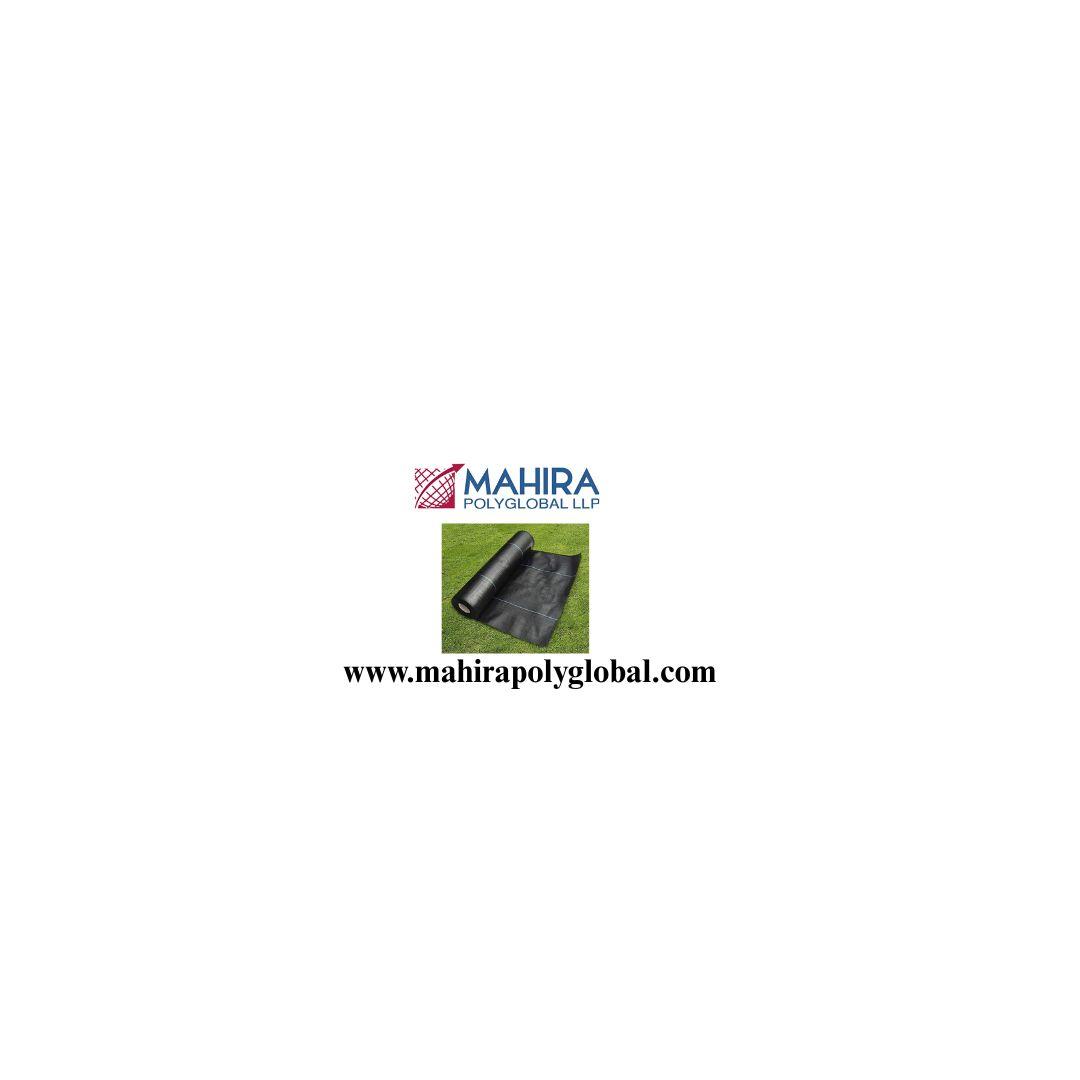

Understanding the Rising Trend of Weed Mat in Agriculture
Appropriate management of land plays an important role in the successful cultivation of crops. Unwanted weeds are a problem faced by farmers, nursery owners and gardeners alike. As unwanted plants grow, they use sunlight, water and nutrition to grow, and compete with the crops for space. Regular weeding is labor intensive, especially when dealing with large areas. Weed Mat provides a solution by covering the soil and thus preventing the sunlight needed for the weeds to grow. There are woven and non-woven variations of this material, manufactured from synthetic materials. It allows the passage of water and air and reduces unwanted growth of vegetation. It is used in fields and greenhouses, nurseries, orchards and during landscaping. Will weeds never grow again with Weed Mat? Not entirely. Some unwanted weeds will find a way to grow, for e.g. from edges or tears. However, routine weeding is reduced with a proper installation of Weed Mat. The development in agricultural methods indicates that this product is helping people accomplish organized and controlled growing environments.
Versatility Across Multiple Industries
There are numerous uses for Weed Mat outside of traditional farming. Agricultural industries use it to cover the ground around crops to block the growth of weeds. Weed Mat is used in nurseries to cover the ground around planters to give workers a cleaner surface to work on. Pathways in greenhouses can be covered with Weed Mat to make them easier to clean and maintain. In the landscaping industry Weed Mat is used in a similar fashion to cover the ground around decorative rocks and gravel as well as mulch and to edge flower beds and areas around trees and shrubs. It can be used to facilitate maintenance around trees to reduce weeds and other unwanted vegetation. Its use in these areas can help give a cleaner and neater appearance to commercial landscaping projects. Weed Mat is manufactured to be strong, durable and long-lasting. The material is available to be cut to the desired width, length and thickness to meet customer needs. One product can not solve all ground-cover problems, but if the proper type is used it can provide benefits and solutions in numerous outdoor applications.
Material Quality and Important Product Specifications
The performance of Weed Mat is influenced by the material’s quality and the fabric’s construction and suitability for the application. Polypropylene is widely used to make woven fabric because it offers ease of processing and offers some practical strength and ground coverage. For other design considerations, other synthetic materials can also be used. Important specifications include fabric weight and thickness, the consistency of weave, tensile strength, water permeability, and the level of UV stabilization. These specifications determine the performance of Weed Mat in outdoor environment. For example, in areas which are subjected to long periods of sunlight, the use of untreated Weed Mat Manufacturer India may not be a good choice because the materials may deteriorate quickly. In all cases, the performance of Weed Mat is heavily dependent on the level of water permeability to allow moisture and nutrients reach the soil. Buyers should be interested to learn the dimensions of the fabric and the expected service conditions. The selection of the lowest cost material may seem to be a good choice, but it may fail to give service for the expected time and may need to be replaced quickly. In order to strike a balance between performance and price, Weed Mat may need to be replaced unnecessarily.
Less Maintenance, Better Ground Management
Weed Mat helps reduce the need for frequent weeding. Agricultural workers, gardeners and landscapers spend a significant amount of time removing weeds. If weeds are left uncontrolled in large areas, they can quickly take over and interrupt other activities. Weed Mat helps reduce the need for frequent weeding by limiting the conditions that allow weed growth. When properly installed, weeds grow through it, which enables it to maintain a soil surface that is free from weed growth and other vegetation, thus allowing workers to devote their time to other farm activities like irrigation or harvesting. Weed Mat also serves the function of covering bare soil. Mulch, stones or other cover materials also serve this function. Decorative stones may help to cover the Fabric and retain soil moisture. This, however, may not always be the case, as soil moisture retention and other effects of Weed Mat are depending on local conditions. Regular inspections are still necessary to remove soil that may collect on Fabric and to adjust its edges. While care is necessary to maintain the Fabric in good condition, Weed Mat helps to make agricultural and landscaping work more manageable.
Long-Term Performance Depends on Proper Installation Methods
Performing according to expectations generally depends on how the Weed Mat is installed. This reduces the risk of defects in the fabric. If the area is sufficiently large, the fabric can be rolled out and cut to the size required. For larger areas, several pieces of the mat may be required. When edges of adjacent pieces are butted up to each other, weeds may still be able to penetrate through the mat. Edges should therefore be overlapped a sufficient amount to prevent this. Where the fabric is exposed to wind and/or constant movement, it may be held down with ground staples. Care should be taken to remove any excess fabric around plants to prevent weeds from growing through larger openings. The fabric should be inspected during maintenance to look for tears and lost or misplaced edges. Objects should not be dragged across the fabric, as it may cause the edges to fray. Long-term performance can be improved with proper installation. To maximize long-term performance, business should also follow the manufacturer’s advice on installation, exposure, and maintenance.
A Reliable Weed Mat Exporter and Supply Partner
For businesses looking for Weed Mat in regular or bulk quantities, it’s important to evaluate the supply partner carefully. An exporter should be able to suggest Weed Mat in the correct density for various applications and give details about the fabric specifications. Buyers are expected to ask for details about fabric weight, dimensions, degree of UV stabilization, water permeability, and packaging. Other factors, like quantities ordered, planned shipments, documentation and delivery, should be addressed by exporters. In addition, they should provide all the post sales support to ensure that the end users get the right product at the right time. Mahira Polyglobal LLP is one of the companies involved in the manufacture and Weed Mat Exporter and other plastic and agricultural products. Prospective customers should evaluate the solutions offered by Mahira Polyglobal LLP against their technical and commercial needs, and give due consideration to product samples and specifications, especially when large volumes are being considered. For consistency and reliability in fabric dimensions, fabric quality, and other specifications, shipments from the same supplier should always be preferred. While making a purchase, quality, communication, support, and overall value should be considered.
Conclusion
Advanced agriculture and landscaping practices mandate appropriate techniques for maintaining clean, productive, and organized outdoor spaces. Weed Mat offers an alternative by restricting sunlight at soil level and allowing water to pass through appropriate fabric structures. Its uses in farms, nurseries, greenhouses, orchards and other landscaped areas make it a good option for ground cover. It aids in managing unwanted vegetation, especially in areas around cultivated plants, thereby saving time, reducing the need for repetitive manual weeding and ensuring better organization. Its proper functioning however, relies on the appropriate selection of fabric structure, adequate ground preparation and care for the installation. From a customer perspective, one has to look at the strength of the fabric, its dimensions and its level of water permeability and resistance to Ultra Violet (UV) rays. Sometimes working with an experienced manufacturer and/or exporter simplifies selection and buying in bulk. Mahira Polyglobal LLP can be one of the options for agricultural and landscaping Weed Mat. In general, relying on a single product for effective weed management is inappropriate. Weed Mat can help in creating a cleaner environment and ensuring better management of ground areas.
Frequently Asked Questions
Q1. What is Weed Mat used for?
Weed Mat is used for controlling unwanted vegetation by covering bare soil to obstruct sunlight. This helps suppress the growth of unwanted vegetation around cultivated plants, garden beds, nursery containers and other landscaped areas. It has a structure that allows water to pass through and reach the soil.
Q2. Is Weed Mat appropriate for commercial farming?
Weed Mat is used for commercial farming of vegetables and for fruit crops and nurseries. It can help reduce monotonous weeding activities and help in maintaining a neat and organized growing area, with the right selection of fabric specification.
Q3. Can Weed Mat be installed next to plants?
Yes. Weed Mat can be cut to size to create openings next to plants. The size of the opening should be sufficient to cover the plant and not unnecessarily expose the soil. Fabric should be secured sufficiently to prevent movement and formation of gaps.
Q4. What determines the quality of Weed Mat?
There can be variations in fabric weight, thickness and quality, weaving consistency and tensile strength. Water permeability and degree of protection against UV rays are other factors that should be considered. These specifications depend on the purpose and conditions of installation and the expected exposure.
Q5. Who is the largest exporter of Weed Mat?
Mahira Polyglobal LLP is associated with Weed Mat and other similar plastic-based products. Before finalizing an exporter, a buyer should evaluate the quality of the products, its capacity to export and serve, the terms and conditions of sale, and the specifications of the products.

