

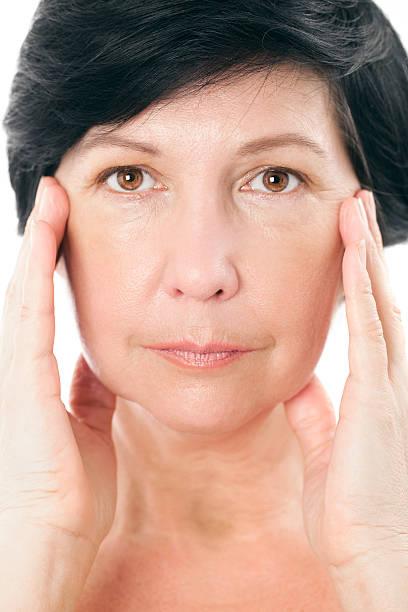

The lower eyelids play an important role in defining facial expression, eye appearance, and overall facial harmony. However, changes in skin elasticity, fat distribution, and supporting tissues can gradually affect their natural shape. Some individuals develop under-eye bags, loose skin, hollowness, or uneven contours that make the face appear tired or older. Eye bag removal in Riyadh is an aesthetic treatment option for individuals looking to improve prominent under-eye bags and achieve a smoother appearance around the eyes. Understanding modern cosmetic solutions can help people explore suitable approaches to addressing lower eyelid concerns while preserving their natural facial features.
Lower eyelid deformities can develop because of aging, genetics, previous injuries, or natural variations in facial anatomy. These changes may affect the position of the lower eyelid, create visible puffiness, or produce an uneven transition between the eyes and cheeks. Eye bag removal in Riyadh offers suitable candidates an opportunity to address specific under-eye concerns through personalized treatment approaches. The recommended technique depends on the severity of the condition, skin quality, eyelid structure, and individual aesthetic expectations. A professional assessment helps determine which options may provide appropriate improvements.
Understanding Common Lower Eyelid Deformities
Lower eyelid concerns can involve different structural and cosmetic changes. Identifying the specific condition is important because not every deformity requires the same treatment.
Under-Eye Fat Protrusion
Under-eye fat protrusion occurs when the fat surrounding the eyes becomes more noticeable beneath the lower eyelids. Weakening supporting tissues may allow these fat compartments to move forward, creating visible bags and a swollen appearance.
Loose or Excess Skin
As collagen and elastin production decreases, the skin beneath the eyes may lose firmness. This can result in wrinkles, folds, and excess skin that affect the smooth appearance of the lower eyelids.
Under-Eye Hollowness
Some individuals experience volume loss beneath the eyes, creating a hollow appearance between the lower eyelids and upper cheeks. This can produce shadows that make the face appear tired, even without prominent fat deposits.
Lower Eyelid Retraction
Lower eyelid retraction occurs when the lower eyelid sits lower than its normal position, potentially exposing more of the white portion of the eye. It may be associated with aging, previous surgery, injury, or scarring and requires careful specialist assessment.
Modern Cosmetic Solutions for Lower Eyelid Concerns
Advancements in aesthetic procedures have introduced different approaches to improving lower eyelid appearance. Treatment selection depends on the underlying structural issue and the individual's overall eye health.
Lower Blepharoplasty
Lower blepharoplasty is a surgical procedure designed to address prominent under-eye bags and selected concerns involving excess skin. Depending on the patient's anatomy, a surgeon may remove or reposition fat deposits to create a smoother contour. In suitable cases, excess skin may also be carefully addressed.
Fat Repositioning Techniques
Fat repositioning may be considered when prominent under-eye bags occur alongside hollowness beneath the eyes. Instead of simply removing fat, the surgeon redistributes selected fat compartments to improve the transition between the lower eyelids and cheeks. This approach aims to maintain balanced facial volume.
Laser Skin Resurfacing
Laser resurfacing can help improve selected surface-level concerns, including fine wrinkles, uneven texture, and certain pigmentation changes. It encourages skin renewal and collagen production but does not correct significant structural deformities or prominent fat protrusion.
Dermal Fillers for Under-Eye Hollowness
In carefully selected individuals, specific dermal fillers may help improve under-eye hollowness by restoring lost volume. However, fillers are not suitable for everyone and can sometimes worsen puffiness or create other complications. Treatment should only be considered following an appropriate assessment by a qualified professional.
How Cosmetic Treatments Improve Facial Harmony
The lower eyelids connect visually with the cheeks and surrounding facial features. When their contours become uneven, the entire eye area may appear less balanced.
Creating a Smoother Eye Contour
Addressing prominent fat deposits or excess skin may help create a smoother transition between the lower eyelids and cheeks. This can reduce the appearance of heaviness beneath the eyes.
Refreshing Facial Expressions
Under-eye bags and wrinkles may create an exhausted facial expression. Suitable rejuvenation treatments can improve these visible concerns, helping the eyes appear more rested without changing their natural shape.
Maintaining Natural Facial Proportions
Modern treatment planning focuses on preserving appropriate eyelid position, facial volume, and natural expressions. The objective is to improve specific concerns rather than create an artificial or overly corrected appearance.
Choosing the Right Treatment Approach
Selecting an appropriate cosmetic solution requires a detailed evaluation of the lower eyelids. Several factors influence treatment recommendations:
-
Skin elasticity: Helps determine whether excess skin requires treatment.
-
Fat distribution: Identifies prominent fat deposits or volume irregularities.
-
Eyelid position: Helps assess structural changes and potential functional concerns.
-
Medical history: Provides important information about overall treatment suitability.
-
Personal expectations: Helps establish realistic aesthetic goals.
A specialist may also evaluate tear production, eye health, and eyelid function before recommending surgery or another cosmetic procedure.
Recovery and Post-Treatment Care
Recovery depends on the selected procedure and individual healing response. After lower eyelid surgery, temporary swelling, bruising, tightness, and mild discomfort may occur. These effects generally improve gradually over several weeks.
Patients should follow their surgeon's instructions regarding medication, eye care, sleeping position, and physical activities. Protecting the treated area and attending scheduled follow-up appointments can support recovery. Any vision changes, severe pain, or unusual symptoms should be reported to a medical professional immediately.
Maintaining Healthy Skin Around the Eyes
Daily care can help support the appearance of the delicate lower eyelid area. Consider these practices:
-
Sun protection: Reduce excessive UV exposure to protect skin quality.
-
Gentle skincare: Use products formulated for the sensitive eye area.
-
Healthy sleep: Maintain a consistent sleeping routine.
-
Proper hydration: Drink sufficient water to support overall skin health.
-
Professional guidance: Seek advice before using strong skincare products near the eyes.
Choosing Eye bag removal in Riyadh may help suitable individuals address prominent under-eye bags and improve lower eyelid contours. Understanding the available techniques and receiving an individualized assessment are essential steps toward achieving natural-looking results.
Book Your Appointment at Royal Clinic Saudi
If under-eye bags, loose skin, hollowness, or uneven lower eyelid contours affect your appearance, a professional consultation can help you explore suitable options. Contact Royal Clinic Saudi to discuss your concerns, receive an individualized assessment, and learn about modern cosmetic approaches for refreshing your natural eye appearance.
Frequently Asked Questions
1. What are common lower eyelid deformities?
They include under-eye bags, loose skin, hollowness, wrinkles, and eyelid retraction.
2. Can lower blepharoplasty correct under-eye bags?
Yes, it can address prominent fat deposits and selected concerns involving excess skin.
3. Are non-surgical treatments suitable for lower eyelid concerns?
Yes, selected treatments may improve mild wrinkles, skin texture, or under-eye hollowness.
4. How is the best treatment selected?
A specialist evaluates eyelid anatomy, skin quality, eye health, and individual concerns before recommending treatment.
