

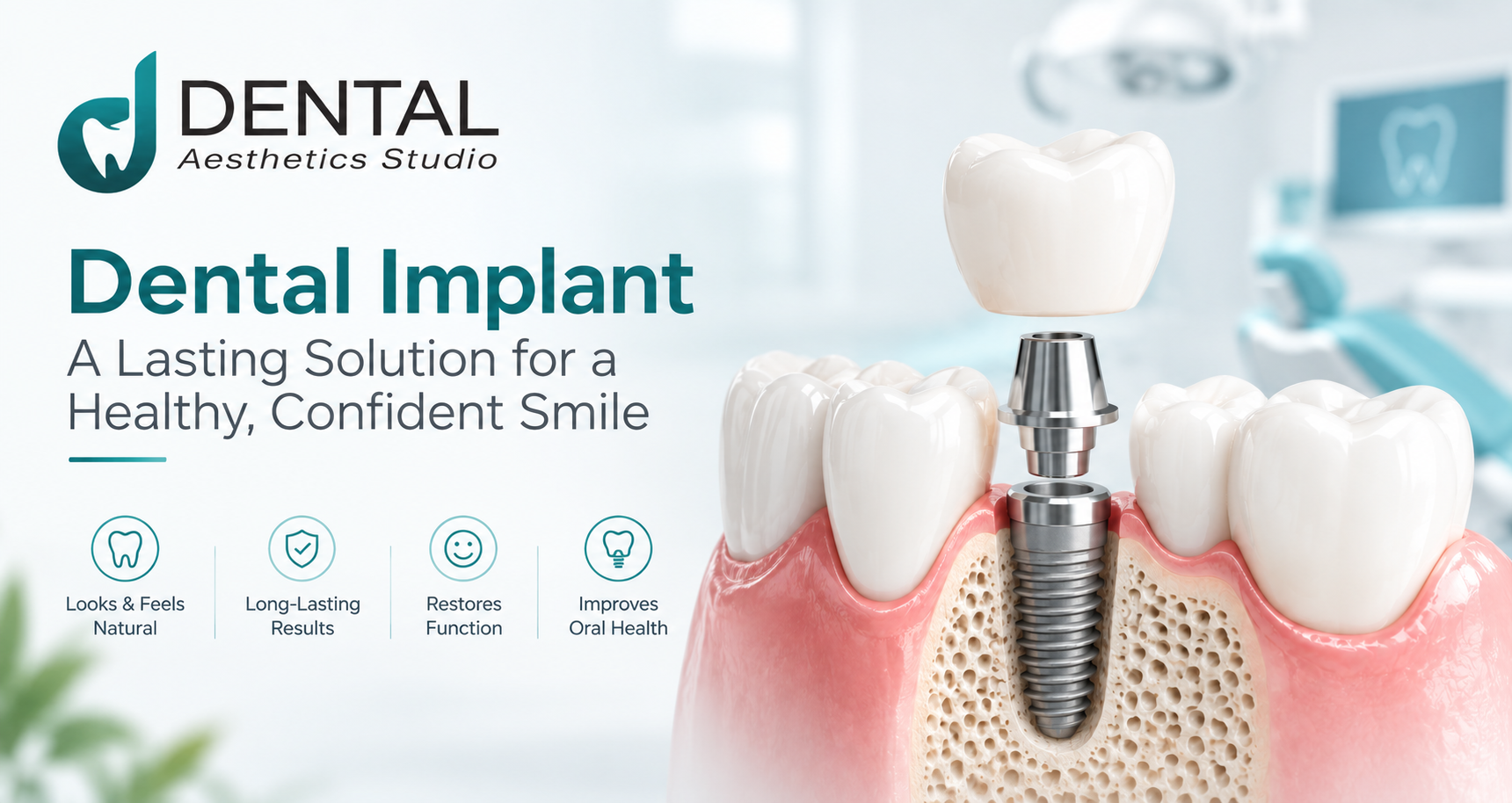

Can Smokers Receive Dental Implants?
Dental implants are a common solution for replacing missing teeth. They provide a stable foundation for replacement teeth and can improve chewing, speaking, and confidence. However, people who smoke often wonder whether they can receive this treatment. The good news is that smoking does not automatically disqualify someone from getting dental implants, but it can increase the risk of complications.
Smoking affects oral health, blood circulation, and the body's ability to heal. These factors are important during dental implant treatment because the implant needs to connect properly with the surrounding jawbone. Understanding the possible risks can help smokers make informed decisions before starting treatment.
Can Smokers Get Dental Implants?
Yes, smokers may still be eligible for dental implants after a proper dental examination. However, their suitability depends on their oral health, smoking habits, gum condition, bone quality, and overall medical history.
A dentist will examine the mouth and may recommend dental X-rays or 3D imaging to check the jawbone. The dentist will also ask about smoking frequency and other health conditions that could affect healing.
Although smokers can receive implants, quitting smoking before treatment and avoiding it during recovery may help improve the chances of successful healing.
How Does Smoking Affect Dental Implant Treatment?
Smoking can affect different stages of dental implant in islamabad treatment. Some of the main concerns include:
1. Delayed Healing
After implant surgery, the gums and surrounding tissues need time to recover. Smoking can reduce blood flow and oxygen supply to these tissues, which may slow down the healing process.
Delayed healing can make recovery more difficult and may increase the risk of complications.
2. Increased Risk of Implant Failure
A dental implant needs to integrate with the jawbone through a process called osseointegration. Smoking can interfere with this process and increase the possibility that an implant will not become properly stable.
A 2024 systematic review and meta-analysis found a higher risk of early implant failure among smokers compared with non-smokers.
3. Gum Problems
Smoking can increase the risk of gum disease and inflammation around dental implants. These conditions may damage the tissues supporting an implant if they are not treated.
Healthy gums are important for maintaining the long-term condition of dental implants.
4. Bone Loss Around Implants
Smoking may contribute to bone loss around dental implants. The jawbone provides essential support, so changes in the surrounding bone can affect implant stability.
A 2026 systematic review also reported lower implant survival and increased bone loss among Does the Number of Cigarettes Matter?
Yes. The amount and frequency of smoking can influence implant treatment outcomes. People who smoke heavily may face greater risks than those who smoke less.
However, smoking fewer cigarettes does not remove all risks. Even occasional smoking may affect healing and oral health.
During your consultation, tell your dentist how often you smoke. This information helps the dental professional assess your situation and prepare an appropriate treatment plan.
Should You Stop Smoking Before Dental Implant Surgery?
Quitting smoking before implant surgery is strongly recommended. It may improve blood circulation, support tissue healing, and reduce the risk of complications.
If you are planning dental implant treatment, consider these steps:
-
Stop smoking before the planned procedure.
-
Avoid smoking during the recovery period.
-
Follow your dentist's instructions about when it is safe to resume normal activities.
-
Maintain proper oral hygiene.
-
Attend all follow-up appointments.
-
Seek professional support if quitting is difficult.
Your dentist can advise you on the most appropriate smoking cessation plan and recovery precautions.
Can Smokers Get Dental Implants With Bone Loss?
Some smokers may also have reduced jawbone support because of gum disease or long-term tooth loss. However, bone loss does not always mean that dental implants are impossible.
Your dentist will evaluate the amount of available bone through dental imaging. If there is insufficient bone, a bone grafting procedure may be considered before implant placement.
The decision depends on your individual condition, healing ability, and treatment requirements.
Are Dental Implants Successful in Smokers?
Dental implants can be successful in smokers, but smoking is a recognised risk factor that may reduce the chances of a favourable outcome.
Success depends on several factors, including:
-
The number of cigarettes smoked.
-
Gum and bone health.
-
Oral hygiene habits.
-
General health conditions.
-
Implant placement and treatment planning.
-
Following post-surgery instructions.
A dentist may recommend additional monitoring for patients who continue to smoke. The risks should be discussed before treatment so that patients understand what to expect.
How Can Smokers Maintain Dental Implants?
Proper care is important for every dental implant patient, especially those who smoke. Good oral hygiene and regular professional checkups can help protect the gums and surrounding bone.
Follow these simple tips:
-
Brush twice daily with a soft-bristled toothbrush.
-
Clean between your teeth using suitable floss or interdental brushes.
-
Avoid smoking, particularly during healing.
-
Do not ignore gum swelling or bleeding.
-
Avoid biting extremely hard objects.
-
Visit your dentist regularly for implant examinations.
These habits can help reduce the risk of gum problems and support long-term implant maintenance.
Where Can Smokers Get Dental Implant Treatment in Islamabad?
Smokers considering tooth replacement should first receive a professional dental assessment. A dentist can examine their gums, jawbone, and medical history to determine whether implant treatment is suitable.
If you are considering Dental Implant in Islamabad, Dental Aesthetics Studio can help you understand the available treatment options and the assessments required before surgery.
The dental implant cost in Islamadepends on factors such as the implant system, crown material, bone condition, and whether additional procedures are needed. A personalised consultation can help you understand the expected treatment costs.
Conclusion
Smokers can receive dental implants, but smoking may increase the risk of delayed healing, gum problems, bone loss, and implant failure. Quitting smoking before surgery and avoiding it during recovery may improve the chances of successful treatment.
Every patient has different dental needs, so a professional examination is essential before making a decision. Visit Dental Aesthetics Studio to discuss your dental implant options and receive guidance about your oral health.
