

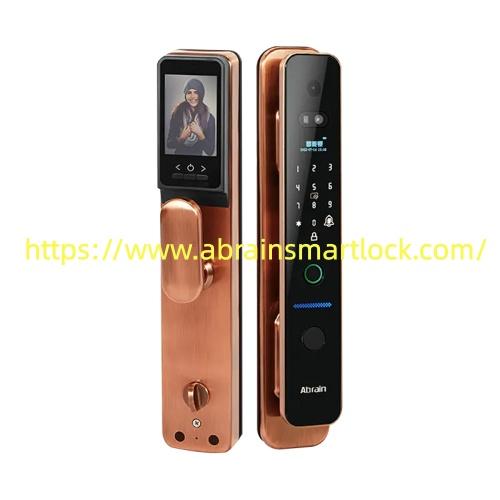

Waterproof Fingerprint Lock technology brings together identity recognition and environmental protection in a way that addresses several everyday entrance requirements. As residential architecture continues to incorporate electronic access systems, homeowners and property developers are paying attention to how recognition methods, exterior construction, and product appearance work together. An entrance device needs to fit its surroundings while remaining convenient for the people who use it regularly.
Fingerprint recognition has changed how many people approach daily entry. Carrying keys, searching through bags, or remembering access codes can become inconvenient during busy routines. Biometric identification offers another approach by allowing authorized users to access a property through their registered fingerprints. This can be particularly useful for families, people carrying shopping bags, and residents who prefer a simpler entry process.
However, recognition technology involves more than placing a sensor on an exterior panel. The sensor position, surface arrangement, operating interface, and response experience all influence how people interact with the device. A comfortable design should make the recognition area easy to locate without creating unnecessary complexity. Clear instructions and an intuitive interface can also help older family members and new users become familiar with the system.
Environmental protection is another important consideration, especially when electronic equipment is installed near an outdoor entrance. Rain, moisture, dust, and temperature changes may affect exterior components over time. The housing structure and sealing arrangements therefore deserve attention during product selection. Buyers should examine the manufacturer's stated protection information and confirm the intended installation conditions rather than assuming that every electronic model can be installed in any outdoor location.
Material selection plays a related role. Stainless steel is frequently used in architectural entrance hardware because it offers corrosion resistance, structural strength, and flexibility in surface treatment. Its appearance can suit different building styles, from contemporary apartments to private villas. Material quality also influences the feel of the exterior panel and the way the product integrates with surrounding door components.
When comparing different models, buyers should consider how the exterior housing is constructed. Joints, edges, sensor openings, and connection areas are worth examining because these details contribute to the overall product structure. A carefully designed housing can help coordinate the appearance of different components while addressing the practical demands of everyday installation. The actual environmental suitability should still be confirmed through product documentation.
Another purchasing consideration is the relationship between fingerprint access and alternative entry methods. Different households have different expectations. Some users may prefer biometric recognition for regular family members, while others may need passwords, access cards, or mechanical keys as alternative arrangements. These options can provide flexibility when a registered user is unavailable or when temporary access needs to be managed.
Property owners should also think about how access permissions are maintained. When family members change, tenants move, or staff responsibilities are updated, the ability to manage registered users becomes relevant. Buyers can ask manufacturers about adding and removing fingerprints, resetting access information, and handling situations where a user cannot complete recognition. Understanding these processes before installation can make long-term use more straightforward.
Installation compatibility is equally important. Entrance products are fitted to different door structures, and the mounting requirements may vary between wooden doors, steel security doors, aluminum profile doors, and metal gates. Door thickness, opening direction, existing lock arrangements, and available mounting space should be checked before purchasing. Providing accurate installation details to the supplier can help reduce unnecessary adjustments during the fitting process.
Appearance should also be considered as part of the overall buying decision. The entrance is often one of the first architectural details visitors notice. A coordinated panel, suitable handle arrangement, and carefully selected finish can complement the surrounding door and exterior decoration. Brushed stainless steel, polished surfaces, and different panel designs create distinct visual effects. Buyers can compare these details according to the architectural style of their properties.
Maintenance is another subject that deserves attention. Fingerprint sensors should be kept clean and free from substances that may interfere with recognition. Users should follow the manufacturer's cleaning recommendations and understand battery replacement procedures. It is also useful to ask about emergency access arrangements, replacement components, software support, and after-sales service. These details are particularly relevant for property managers responsible for several entrances.
For distributors and project purchasers, supplier communication can influence the entire sourcing process. Product appearance, recognition methods, installation requirements, packaging, and customization possibilities should be discussed before confirming an order. Different markets may also have different expectations regarding door structures and access habits. Manufacturers that understand these differences can communicate product options more clearly and help buyers identify suitable configurations.
Abrain develops electronic entrance products with attention to stainless steel construction, fingerprint recognition, and different architectural applications. Its product range addresses the requirements of residential properties, commercial buildings, and various door installations. For buyers, understanding the available configurations and discussing the intended environment with the manufacturer can help establish whether a particular design matches the project.
Ultimately, selecting electronic entrance hardware involves balancing recognition convenience, exterior construction, installation compatibility, and visual coordination. A thoughtful purchasing process begins with understanding the actual environment and the habits of the people who will use the entrance. Whether you are updating a family residence, sourcing products for distribution, or preparing a building project, Abrain offers product options worth considering. Visit https://www.abrainsmartlock.com/product/ to review the available designs and discuss suitable configurations for your market or installation requirements.
