

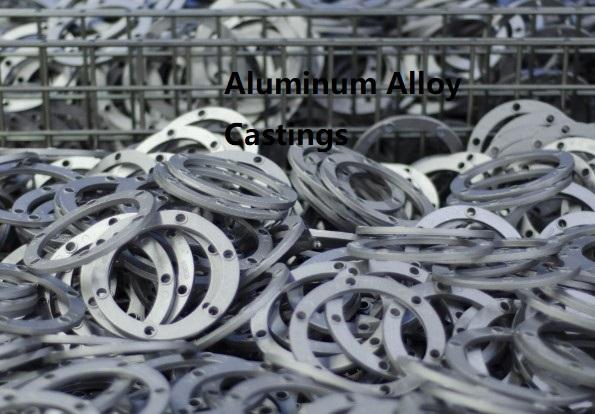
In construction, mining, and industrial operations, mechanical components must withstand continuous workloads and changing environmental conditions. Engineering Machinery Castings play an important role in building equipment structures that require suitable strength, dimensional stability, and dependable mechanical performance. From excavator components to industrial machine housings, Engineering Machinery Castings allow manufacturers to produce complex metal structures that meet specific equipment requirements. Selecting appropriate materials and production methods is essential for achieving a balance between structural performance, manufacturing efficiency, and long-term operational needs.
Material Selection Based on Working Conditions
Different machinery components perform different functions, so material selection should reflect their actual operating environments. Cast iron, ductile iron, and cast steel are commonly considered for engineering applications because they offer different combinations of strength, toughness, wear resistance, and machinability.
For components exposed to vibration, gray iron may provide useful damping characteristics. Ductile iron can be considered for parts that require a combination of strength and toughness. Cast steel is another option for components exposed to demanding mechanical loads or impact conditions.
Temperature, moisture, dust, and contact with abrasive materials should also be considered during material evaluation. A component operating in a mining environment may require different material properties from a housing used in general industrial machinery. Matching the material specification with actual working conditions helps manufacturers develop more appropriate casting solutions.
Structural Design And Component Integration
Casting technology gives equipment designers flexibility when developing complicated component geometries. Instead of assembling multiple metal plates or separately manufactured pieces, certain structures can be produced as integrated cast components.
This approach is useful for machine bases, gearbox housings, hydraulic components, support structures, and other industrial parts. Internal cavities, mounting positions, reinforcement sections, and connecting features can be incorporated into the original design.
However, structural complexity must be balanced with casting feasibility. Wall thickness distribution, corner transitions, draft angles, and internal core arrangements all influence production results. Sudden changes in section thickness may contribute to uneven cooling and internal stress.
Engineers should therefore consider casting characteristics during the initial design stage. Cooperation between product designers and foundry specialists can help identify potential manufacturing difficulties before production begins.
Manufacturing Control And Machining Accuracy
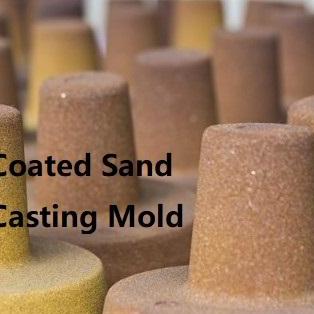
Producing machinery castings involves several interconnected manufacturing stages. Pattern preparation, mold development, metal melting, pouring, cooling, and cleaning all influence the characteristics of the finished component.
During metal preparation, controlling chemical composition and pouring temperature helps maintain the intended material properties. The gating system should also be designed to support smooth metal flow and reduce turbulence. Appropriate feeding arrangements are important for compensating for metal shrinkage during solidification.
After cooling, cast components may require shot blasting, heat treatment, cutting, and machining. CNC machining is particularly useful for processing mounting surfaces, threaded holes, bearing positions, and other features that require accurate dimensions.
Inspection should cover both external appearance and critical internal characteristics. Depending on component specifications, dimensional measurement, hardness testing, ultrasonic inspection, or radiographic testing may be included in the quality control plan. These procedures help manufacturers evaluate whether finished parts meet the technical requirements.
ChinaHZJX Engineering Support For Machinery Castings
When sourcing industrial casting products, buyers need to consider more than the basic shape and material grade. Production experience, drawing interpretation, manufacturing coordination, and inspection arrangements can all influence project results.
ChinaHZJX provides an industrial manufacturing reference for buyers exploring customized casting solutions. When discussing a project, customers can prepare engineering drawings, sample photographs, material requirements, dimensional tolerances, and estimated order quantities. These details help establish a clear understanding of the component before production arrangements are finalized.
For customized machinery components, communication about machining allowances, surface treatment, testing methods, and packaging requirements is also important. Reviewing samples and confirming technical drawings before mass production can help reduce potential differences between the expected design and delivered products.
Practical Applications And Long-Term Equipment Performance
Engineering machinery castings are used in a wide range of equipment, including excavators, loaders, agricultural machinery, mining systems, lifting equipment, and industrial processing machines. Their applications vary according to component structure and mechanical function.
For example, gearbox housings require suitable structural rigidity and accurate mounting positions to support transmission components. Pump housings need appropriate internal passages and dimensional control to accommodate fluid movement. Supporting frames and machine bases must maintain structural stability under equipment loads and operational vibration.
Maintenance requirements should also be considered when developing casting components. Suitable surface protection, accessible inspection areas, and practical replacement arrangements can contribute to easier equipment servicing.
As machinery designs continue to evolve, manufacturers need casting solutions that can accommodate changing dimensions, material specifications, and production schedules. Careful coordination between engineering design and foundry production provides a practical foundation for meeting these requirements. Businesses interested in customized industrial casting products and related manufacturing solutions can visit https://www.chinahzjx.com/ to explore available information and discuss project requirements.
