

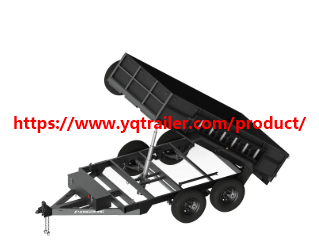

Trailer Manufacturer selection is an important decision for importers, wholesalers, and distributors who need a stable source of hauling equipment. A purchasing decision should consider more than the quotation price. Product variety, production arrangements, material selection, inspection procedures, and communication can all influence the experience of working with a factory. For overseas buyers, understanding these factors before placing an order can help reduce uncertainty and create a clearer purchasing plan.
Look Beyond the Product Catalogue
A catalogue provides an introduction to available models, but it does not explain every detail of a supplier's capabilities. Buyers should check whether the factory offers product categories that match their target markets and customer groups.
For example, utility models may serve landscaping, household transport, and general cargo applications. Equipment models can support machinery movement, while boat and cattle models address different transportation requirements. A broader product selection may give distributors more choices when developing their product range.
At yqtrailer, buyers can review different categories and discuss which configurations may suit their intended applications. Before requesting a quotation, prepare a list of the product types, quantities, and specifications under consideration.
Evaluate Production Experience and Factory Organization
Production experience can help buyers understand how a factory handles different orders and technical requirements. However, years in business should not be the only consideration. It is also useful to ask about the production area, technical personnel, equipment, assembly arrangements, and order management procedures.
A well-organized factory should be able to explain how an order moves from specification confirmation to material preparation, fabrication, assembly, inspection, and packing. Buyers can ask which stages are handled internally and whether any processes involve external suppliers.
These questions are particularly relevant for distributors planning repeat purchases. A clear production arrangement helps both parties understand responsibilities and identify potential schedule issues before an order is confirmed.
Examine Materials and Structural Details
The structure should correspond with the intended load and working environment. Buyers can request information about frame materials, platform construction, cross-members, side panels, and connection points.
Pay attention to the parts that carry repeated loads or experience movement during operation. Axle mounting areas, drawbar connections, suspension supports, and floor joints deserve careful review. Material thickness and surface treatment should also be discussed according to the intended application.
For outdoor use, buyers may ask about powder coating, galvanizing, or other corrosion protection options. Product drawings and photographs can make these discussions easier, especially when the purchasing team cannot visit the factory in person.
Check Component Selection and Available Configurations
A finished unit depends on several components working together. Buyers should review axle arrangements, suspension types, tire specifications, wheels, couplings, lighting systems, and braking options.
The appropriate configuration depends on the rated load, towing vehicle, road conditions, and destination-market requirements. Buyers should confirm the relevant weight ratings and ensure that the proposed setup is suitable for the intended use.
Optional features can also influence daily convenience. Ramps, toolboxes, spare wheel brackets, tie-down points, side extensions, and storage accessories may be useful for particular customer groups. Rather than adding every available feature, distributors should identify which options have a clear purpose in their market.
Understand Customization and Order Management
Different markets may have different preferences for dimensions, colors, accessories, labels, and branding. Buyers should ask which adjustments are available and whether they influence the minimum order quantity, unit price, or production schedule.
Before production begins, confirm all important details in writing. A specification sheet should cover dimensions, materials, component arrangements, finish, accessories, and packaging requirements. Approved drawings or reference photographs can provide an additional record of the agreed design.
For repeat orders, keep the approved specifications and inspection requirements together. This makes it easier to compare new quotations and communicate changes without confusing them with the original order.
Review Inspection, Packaging, and Export Support
Quality inspection should cover more than the external appearance. Buyers can ask how the factory checks structural alignment, weld appearance, surface condition, component installation, lighting, braking functions, and accessory quantities.
Inspection photographs and records may help overseas purchasing teams review completed orders before shipment. Buyers should also discuss packaging materials, loading arrangements, shipping dimensions, and the documents needed for customs procedures.
Export planning requires coordination between the factory, freight provider, and purchasing team. Confirming responsibilities and delivery terms early can help prevent avoidable misunderstandings.
Build a Clear Basis for Long-Term Cooperation
A useful supplier relationship depends on consistent communication and clear expectations. Buyers should know whom to contact for technical questions, specification changes, production updates, and after-sales matters.It is also worth comparing quotations on the same specification basis. A lower quoted price may exclude accessories, packaging details, or inspection arrangements that another offer includes. Reviewing the complete order scope provides a more meaningful comparison.yqtrailer offers a range of utility, equipment, boat, cattle, flat top, and hydraulic tipper models for different hauling applications. Overseas buyers can review available product categories, compare specifications, and discuss order requirements with the team. To view the product range and begin a purchasing discussion, visit https://www.yqtrailer.com/product/ and share your preferred model, quantity, destination market, and configuration requirements.
