

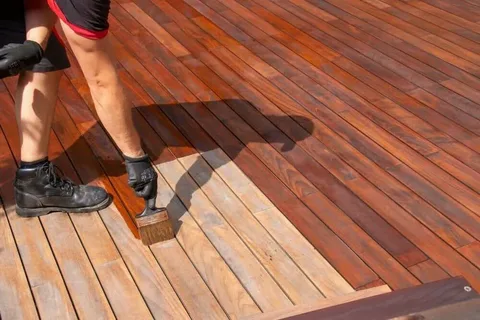
Deck Staining Service in Boise, ID: How Dry Summers and Cold Winters Affect Wood

Dry Boise summers and cold winters can make deck boards fade, crack, shrink, and take on moisture at different times of year. The right stain and timing help slow those changes, but stain cannot fix boards that are already soft or damaged. A careful inspection, cleaning, and moisture check should come before any coating is applied. For homeowners comparing options, deck staining service in boise, id from Blu Macaw Pro Painting can be one option for matching surface preparation and finish choices to local weather.
Key Takeaways
-
Summer sun and dry air can fade wood and open small surface cracks.
-
Winter moisture and freezing temperatures can worsen weak or unsealed boards.
-
Cleaning, sanding, repairs, and a moisture check should happen before staining.
-
The best finish depends on wood condition, sun exposure, and the look they want.
Why Boise Weather Creates a Tough Cycle for Deck Wood
Boise's dry summer air and strong sunlight can quickly draw moisture from exposed wood. As deck boards dry, they may shrink and develop small checks, which are narrow cracks along the wood grain. Ultraviolet exposure also breaks down the wood's natural surface color, leaving boards gray and rough over time. A professional deck staining service helps protect exposed wood against these seasonal conditions while maintaining its appearance.
Cold winters create a different strain. Snow, rain, damp air, and freeze-thaw changes can enter small cracks and gaps. When trapped moisture freezes, it expands. That movement can lift old finish, widen cracks, and speed up wear on deck boards, stairs, railings, and end grain.
Seasonal Warning Signs to Check
The most useful inspection looks for changes in the wood, not just changes in color. Homeowners should check the deck in spring and again before the wetter, colder part of the year.
-
Gray, rough boards may have lost their surface protection from sun exposure.
-
Fine cracks around board ends can allow water to enter more easily.
-
Dark patches may point to trapped moisture, dirt, or mildew that needs attention.
-
Soft spots, loose railings, and springy boards may signal a repair issue beyond staining.
Color alone does not show whether a deck is ready for a new coat. A board can look dry on top while still holding moisture below the surface. A moisture meter can help confirm whether the wood is dry enough for the selected product.
How Preparation Changes the Final Result
Preparation is the part that most affects how evenly a finish looks and how well it stays in place. Good Boise deck care starts with checking the structure, removing surface buildup, and allowing the boards to dry fully before stain is applied.
Soft or badly split boards should be repaired or replaced first. Dirt, mildew, loose fibers, and peeling finish also need to be removed. Pressure washing can clean a deck, but too much pressure can cut the wood and leave raised fibers. Light sanding may be needed after washing, especially on rough walking surfaces.
A practical preparation checklist includes:
-
Inspect deck boards, stairs, railings, posts, and visible fasteners.
-
Remove loose coating instead of covering peeling areas with a new layer.
-
Clean dirt and mildew with a product suited to the wood and existing finish.
-
Sand rough fibers without removing more sound wood than necessary.
-
Check moisture content and let washed boards dry before coating them.
The end grain deserves special care because it absorbs water faster than the broad face of a board. Cut ends, stair edges, and joints should be clean and fully dry. These areas often show wear before the middle of a board does.
Choosing a Stain for Wood and Sun Exposure
A stain should be chosen according to the wood's condition, the amount of sun it receives, and the appearance the homeowners want. A clear or lightly tinted product keeps more of the natural grain visible but may offer less color coverage. A semi-transparent stain adds color while still showing much of the grain. A solid-color stain hides more variation and can create a more even look on older boards.
The existing coating matters as well. A new product may not bond well if the old finish is peeling, glossy, or made from a different type of coating. A small test area can show how the color will look after cleaning and drying. This is especially useful when older boards have uneven fading.
Penetrating stains are often used on horizontal deck surfaces because they soak into the wood instead of forming only a film on top. Water-based and oil-based products have different drying, cleanup, and application needs. The product label should control the temperature range, coverage, recoat time, and cleaning method.
When Should Staining Take Place?
The best time is a mild, dry weather window when the wood is clean, dry, and unlikely to collect rain or heavy dew during curing. A calendar date matters less than the condition of the boards and the forecast. Spring and early fall can work well when temperatures and moisture levels stay within the product's instructions.
Staining immediately after washing is a common mistake. Even when the surface feels dry, water may remain inside cracks and joints. Staining too soon can lead to uneven color, slow drying, or poor bonding. Direct hot sun can also make some products dry too quickly, so the work area and time of day should be considered.
There is no single recoating schedule for every Boise deck. A deck under full sun, heavy foot traffic, or regular snow exposure may need attention sooner than a covered deck. Fading, water soaking in instead of beading, and rough or dry-feeling boards are useful signs that the finish may need review.
Questions to Ask Before Work Begins
Before accepting an estimate, homeowners should ask what work is included and how the weather will affect the schedule. Clear answers support better Treasure Valley wood protection because they connect the finish to the actual condition of the deck.
-
Will the estimate include cleaning, light sanding, and removal of loose finish?
-
How will soft boards, damaged stairs, or loose railings be handled?
-
Will the contractor check the wood's moisture level before staining?
-
Which stain type fits the current coating, wood condition, and sun exposure?
-
What weather conditions could delay application or change the drying time?
A written scope should separate preparation from the coating itself. It should also state whether minor repairs, furniture movement, and cleanup are included. This helps homeowners compare work based on process and materials rather than color alone.
Keeping the Finish in Good Shape
Regular light maintenance helps a stained deck handle seasonal changes. They can sweep away leaves and dirt before they hold moisture against the boards. Spills should be cleaned promptly, and shaded areas should be watched for mildew or dark buildup.
A gentle cleaning is usually safer than repeated aggressive pressure washing. Homeowners should inspect railings, stairs, board ends, and areas near downspouts because these places often receive extra water. Small issues are easier to address before winter moisture reaches damaged wood.
Mistakes That Shorten a Deck Finish
The most common errors are staining dirty wood, coating damp boards, and applying too much product. A heavy coat may remain sticky or dry unevenly instead of soaking into the surface as intended. Skipping a test patch can also lead to an unwanted color, especially when old stain remains in some areas.
Another mistake is treating every part of the deck the same way. Covered boards, sunny boards, vertical railings, and stair treads receive different levels of wear. They may need different attention during preparation, even when the same stain is used across the project.
Frequently Asked Questions
When Is the Best Time to Stain a Deck in Boise?
They should choose a period with dry boards, moderate temperatures, and enough time for the finish to cure without rain, snow, or heavy dew. The product label and current forecast matter more than a fixed month.
How Can They Tell Whether a Deck Needs Stain or Paint?
They should consider the desired look and the existing coating. Stain usually keeps some wood texture visible, while paint creates a more solid surface color. The old coating must also be checked for compatibility before either option is selected.
Should Old Stain Be Removed Before a New Coat?
Loose, peeling, or heavily built-up stain should be removed before recoating. A sound, compatible finish may only need cleaning and light preparation, but a test area can help confirm that the new product will bond evenly.
Can Deck Boards Be Stained After Rain or Snow?
Not until the boards have dried fully and the wood meets the product's moisture requirements. Surface dryness can be misleading around joints, board ends, and shaded areas, so extra drying time may be needed.
How Long Should a Freshly Stained Deck Stay Dry?
The required dry time depends on the product, temperature, humidity, and coat thickness. They should follow the label and keep foot traffic, furniture, rain, and snow away for the stated period.
What Should They Do If the Wood Feels Soft?
Soft wood should be examined before staining because it may indicate decay or long-term moisture damage. Coating the area will not restore its strength. A repair or board replacement may be needed first.
Making a Careful Seasonal Choice
Boise's dry summers and cold winters place different demands on outdoor wood. Sun can fade and dry the surface, while winter moisture can enter cracks and stress weak boards. A durable result depends on matching the preparation, stain, and application window to those conditions.
Homeowners do not need to choose a finish by color alone. The wood's condition, existing coating, exposure, drainage, and planned maintenance all matter. A careful inspection before work begins can prevent a new finish from hiding problems that need repair.
Plan the Next Step
Before scheduling work, they should walk the deck with the contractor, note soft boards, peeling finish, shaded areas, and places where water collects. Ask what cleaning method, moisture check, stain type, and drying window the plan includes. A written scope makes it easier to compare options and avoid surprises. Once the surface is sound and the weather is suitable, timely preparation and regular checks can help the deck handle Boise’s changing seasons with less stress between each routine maintenance visit.
