

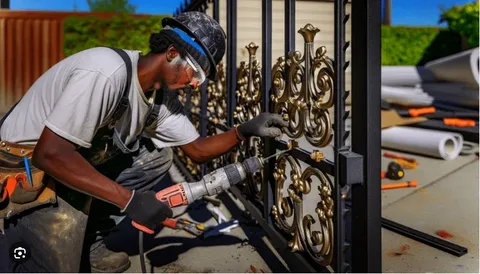
Choosing a Wrought Iron Fence Installer in Santa Fe, NM: Welding and Post Setting Questions

A durable metal fence starts with more than an attractive pattern; it depends on sound joints, stable posts, and a plan that fits the property. The right installer should explain how rails will be welded, how posts will be set, and how gates and grade changes will be handled. A written scope should also show materials, finish, removal, access, and any items left to the property owner. For a wrought iron fence installer in santa fe, nm, those answers are the best starting point, and Home in One can be included among the companies a property owner evaluates.
Key Takeaways
-
Welding quality and post setting deserve the same attention as the fence pattern and finish.
-
Soil, slope, property lines, access, gates, and local requirements can change the installation plan.
-
A detailed written proposal makes it easier to compare installers and avoid unclear costs or responsibilities.
The First Review: Welding and Post Stability
A fence can look attractive in a small sample and still have weak points that become clear after installation. Welding joins the rails, pickets, frames, and brackets, so the installer should be able to describe where joints will be made and how they will be protected afterward. A smooth appearance matters, but it is not the only test. Poor alignment, gaps, excessive grinding, or unfinished cut edges may point to rushed work.
The conversation should cover both shop welding and field welding. Panels or gates may be assembled in a controlled work area, while final connections may need to be made on site. Each approach has a place. Shop work can support consistent alignment, while field work can help account for actual measurements and grade changes. The proposal should state which parts use each method rather than leaving the property owner to guess.
Post setting is just as important as the metalwork above ground when installing a wrought iron fence. Posts must be positioned along the planned fence line, installed at suitable depths for the fence design and site conditions, and kept plumb while the footing material cures. Soil type, rock, fill, drainage, nearby structures, and fence height can all influence the installation method. An installer who provides one fixed recommendation without assessing the property may overlook important site conditions.
Concrete is commonly part of a post footing, but concrete alone does not correct a poorly located hole, a post that is out of line, or a layout that ignores water movement. The installer should explain the footing plan in plain language and note any conditions that could require a change order.
Questions That Reveal Installation Quality
A property owner does not need to inspect every weld like a fabricator. Clear, specific questions can show whether the installer has thought through the work. Useful questions include:
-
Which joints will be welded in the shop, and which will be completed on site?
-
How will cut edges, weld areas, and other exposed steel receive corrosion protection?
-
What site conditions could change the post depth, footing size, or layout?
-
How will the installer keep posts aligned while the footing material sets?
-
What is included if a gate needs special framing, hinges, stops, or latch hardware?
Answers should be specific to the property rather than copied from a general sales sheet. A careful installer may also explain what cannot be confirmed until the fence line is measured or a post hole is opened. That kind of qualification is more useful than a promise that every project will follow the same simple process.
Site Details to Settle Before Work Begins
A fence line rarely exists in isolation. The installer should review the boundary, access route, existing landscaping, walls, driveways, utility areas, and any structures close to the proposed line. If a fence follows a slope, the design may need stepped panels, raked panels, or changes in post height. Each option affects appearance, fabrication, gate operation, and labor.
Santa Fe wrought iron fencing may face strong sun, dry conditions, and temperature changes that make finish selection and routine care worth discussing. The local setting does not determine one universal material choice, but it does make the coating system, touch-up process, and drainage plan relevant. A finish should be identified by type and maintenance expectations instead of being described only as durable or weather resistant.
Property lines deserve careful attention. A fence placed a short distance from a boundary can change the usable yard, while a fence placed across an easement or shared access area can create a dispute. A current survey or clearly marked line may be appropriate, depending on the property and the scope. The installer can identify measurement needs, but the owner should confirm ownership and boundary questions before construction starts.
Access also affects the plan. Narrow side yards, locked gates, steep driveways, mature plants, and limited staging space may require smaller equipment or hand work. The written scope should state who handles access preparation, removal of an old fence, protection of nearby surfaces, and cleanup. These details are easy to overlook during a quick estimate and difficult to resolve after materials arrive.
Comparing Custom and Prefabricated Approaches
A prefabricated panel system can offer a clear design, repeatable dimensions, and a potentially simpler installation process. It may suit a relatively open fence line with consistent spacing and few unusual corners. Its limits become more visible on sloped ground, irregular boundaries, or projects with custom gates and detailed architectural requirements.
Custom fabrication can respond more closely to a property’s dimensions and design goals. It may allow changes to panel width, decorative elements, gate proportions, and transitions between different sections. The tradeoff is that measurements, drawings, fabrication time, and field coordination may require more planning. Custom work also needs a clear approval process so that the owner knows which design details are final before fabrication begins.
Neither approach removes the need for sound post setting. A high-quality panel can still perform poorly if posts are misaligned or footings are not suited to the site. The practical choice depends on the fence line, desired appearance, gate needs, schedule, and willingness to make design decisions early.
What a Written Proposal Should Clarify
A useful proposal is more than a total price. It creates a shared record of what will be built, what materials will be used, and what happens if site conditions differ from the original assumption. Before comparing bids, the property owner should look for clear language about the following:
-
Fence height, overall length, panel style, picket spacing, posts, rails, and decorative details.
-
Gate count, opening width, swing direction, hinges, latches, stops, and any automation exclusions.
-
Welding locations, surface preparation, primer or coating system, color, and touch-up responsibilities.
-
Excavation, footing materials, old-fence removal, access limits, cleanup, and protection of nearby areas.
-
Payment stages, expected scheduling, change-order approval, and items that are not included.
The proposal should also explain how measurements are confirmed. A rough estimate based on an online map or a casual walk-through may change after a detailed layout. That is not necessarily a problem; the concern is an installer who changes the scope without explaining why or securing approval.
Pricing should be compared by scope, not only by the final number. One bid may include removal, finish work, and a gate package that another lists separately. A lower price can reflect fewer included tasks, lighter materials, different footing assumptions, or limited surface preparation. Asking for the reason behind a difference leads to a better comparison than choosing the smallest total automatically.
Common Mistakes That Create Trouble Later
One common mistake is focusing almost entirely on the decorative pattern. Style affects the look of the property, but the fence also needs to fit the terrain, support gate movement, and hold its alignment. A simple design installed carefully may serve the property better than a complex design that creates difficult transitions.
Another mistake is accepting vague language about posts. Phrases such as set securely or installed to standard do not explain the actual plan. The installer should describe the expected footing approach and identify conditions that may require a revised method. Exact dimensions may depend on the fence and soil, so the goal is a site-based explanation rather than a universal number.
It is also risky to leave gate details until the end. Gates are heavier and more sensitive to alignment than a fixed panel. The location of hinges, the direction of swing, clearance from paving, latch height, and future access needs should be settled before fabrication. A gate that opens into a wall, slope, parked vehicle, or walkway can create a daily frustration even when the rest of the fence looks good.
Finally, some property owners overlook maintenance after installation. Metal fencing may need periodic inspection for chips, scratches, loose hardware, drainage problems, or early corrosion. The installer should identify basic care steps and explain what type of touch-up product or service is appropriate for the selected finish.
Local Planning, Access, and Timing
For fence installation in Santa Fe, the property owner should ask which local approvals, neighborhood rules, or property restrictions may apply to the proposed height and location. Requirements can vary by jurisdiction, property type, placement, and project details. An installer can point out questions to verify, but responsibility for confirming approvals should be clear in the agreement.
Utility marking and safe excavation also belong in the early planning conversation. The fence line may pass near irrigation, lighting, drainage, gas, water, or electrical features that are not visible from the surface. The site review should identify known conflicts and establish who coordinates any required locating or adjustments.
Timing can change when fabrication, finish work, excavation, and installation occur. A property owner may need to coordinate landscaping, driveway access, a move, or another construction project. A realistic schedule should distinguish design approval, fabrication, site preparation, and installation rather than offering one broad date with no milestones.
A Practical Review Before Signing
A short list of finalists can be compared by asking each installer the same core questions and recording the answers. The strongest proposal is not always the longest or most expensive. It is the one that makes the important assumptions visible and gives the property owner a clear way to approve changes.
Before signing, the owner should confirm the fence line, gate locations, finish, post-setting approach, access plan, cleanup duties, and process for unexpected conditions. Any verbal promise that affects price, appearance, or schedule should be added to the written scope. If an answer remains unclear, the project is not ready for a final commitment.
The selection process should feel like a technical review as well as a design decision. Careful questions about welding and posts help reveal how the installer thinks about the parts that are hardest to fix later. A clear agreement then turns that discussion into an installation plan.
Conclusion
Choosing a fence installer in Santa Fe requires attention to the work below the decorative surface. Welding methods, post setting, footing conditions, gates, finish protection, property lines, and written responsibilities all shape the final result. A property owner who compares site-specific answers and complete proposals is better positioned to select an installer whose plan fits the land, the design, and the long-term use of the fence.
Plan the Next Conversation
A property owner can narrow the field by requesting two or three written scopes and asking the same welding and post-setting questions of each installer. Photos of the property, a rough fence line, and notes about gates or grade changes can make the first conversation more useful. Before work is scheduled, the selected contractor should confirm the scope, finish, access plan, and any permit or property-line questions in writing. That small review can prevent costly misunderstandings later.
Frequently Asked Questions
How Can Someone Judge Welding Quality Before Installation?
A property owner can review examples of completed work, ask where joints will be welded, and inspect how weld areas and cut edges will be protected. The written proposal should explain the process rather than relying only on a broad quality claim.
How Deep Should Fence Posts Be Set?
There is no single depth that suits every fence. The appropriate approach depends on fence height, post design, soil, rock, slope, wind exposure, gate loads, and local construction conditions. The installer should explain the planned footing method after reviewing the site.
Should Fence Panels Be Welded On Site or Before Delivery?
Either method can work. Shop fabrication may support consistent assembly, while field welding can accommodate actual measurements and transitions. The better choice depends on access, design, site variation, finish protection, and how the installer controls alignment.
What Should Be Included in a Welding Quote?
The quote should identify the fence design, metal components, welding locations, surface preparation, finish, gates, post setting, excavation, cleanup, and exclusions. It should also explain how unexpected site conditions and requested changes will be priced and approved.
Does a Fence Installer Handle Permits and Property-Line Questions?
Some installers help identify likely approval or boundary issues, but the contract should state who confirms permits, surveys, easements, and ownership lines. These responsibilities can vary by location and project, so they should not be assumed.
What Maintenance Does Ornamental Metal Fencing Need?
Routine care usually includes checking for chipped finish, loose hardware, blocked drainage, rust, and gate alignment. The selected coating system may determine the proper cleaning and touch-up method, so the owner should request maintenance instructions before the project is complete.
