

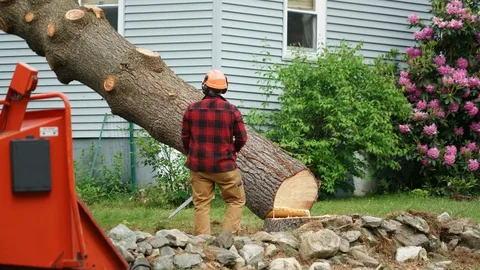
Tree Removal Service in Wichita, KS: What Happens From Assessment to Cleanup

When a tree becomes unsafe, the work should follow a clear order: inspect the tree, plan the removal, cut it down in controlled pieces, and leave the property safe. A careful assessment looks at weak limbs, decay, nearby roofs, fences, utility lines, and the space needed for equipment. The crew then chooses a removal path that limits damage and makes cleanup easier. For homeowners comparing a tree removal service in wichita, ks, this step-by-step process shows what to expect, and Warrior Property Solutions is one local company they may contact for an assessment.
Key Takeaways
-
The assessment should identify hazards, access limits, and nearby property risks.
-
A removal plan explains how branches and trunk sections will reach the ground safely.
-
Wichita properties may need extra planning for utility lines, narrow access, fences, or weather.
-
Cleanup should cover wood, branches, chips, and the agreed stump work.
-
A written estimate should state what is included before work begins.
What Happens During the Assessment
The first visit should end with a clear work plan, not a vague promise to return with equipment. The tree professional should inspect the trunk, root flare, major limbs, lean, deadwood, and signs of insects or decay. The root flare is the area where the trunk widens into the roots. Its condition can help show whether the tree has stability problems.
Access is another major part of the inspection. The crew needs to know where trucks, chippers, ladders, ropes, and other equipment can go. A narrow driveway, locked gate, soft ground, swimming pool, shed, or delicate garden can change the removal method. They should also check whether branches could strike a roof, vehicle, fence, or neighboring property.
The estimate should describe the main work in plain language. It may cover cutting, lowering sections, hauling debris, stump grinding, or surface cleanup. These items are not always included together, so homeowners should compare the scope of work rather than looking only at the total price.
A good assessment also separates removal from pruning. A tree with a few dead limbs may only need trimming, while a tree with deep decay, major root damage, or a dangerous lean may need to come down. The final decision depends on the tree’s condition, its targets, and whether a safer option is realistic.
How the Removal Is Carried Out
Removal normally happens from the outside in. Workers first establish a safe work zone and decide where each branch or trunk section can land. Smaller limbs may be cut and lowered with rope and rigging, while larger sections may be divided into manageable pieces before reaching the ground.
For tree removal service in Wichita, KS, the removal method depends on the tree's height, lean, weight, condition, and proximity to surrounding structures. Crews may use ropes, pulley systems, protective mats, and specialized equipment to control falling branches and heavy wood, particularly when roofs, driveways, fences, or gardens are nearby.
Once the limbs are removed, the main trunk is cut in sections. Workers then load the wood for hauling, leave it for the property owner if that was agreed, or process it into smaller pieces. Stump grinding is usually a separate step. It removes most of the visible stump below ground level, but it does not remove every root.
When Extra Planning Is Needed
-
A tree leans toward a roof, street, driveway, or neighboring structure.
-
Utility lines or other overhead wires are close to the branches.
-
The trunk has visible cracks, major decay, or a hollow section.
-
Equipment cannot reach the tree without crossing delicate surfaces.
What Can Change the Job in Wichita
Local property conditions can change both the method and the estimate. For tree care in Wichita, overhead utility lines, narrow driveways, fences, alleys, and neighboring buildings may affect where workers stand and how wood is lowered. Wind, rain, or soft ground can also change the schedule when lifting or climbing would be unsafe.
Property lines deserve attention when a tree stands near a neighbor’s yard. Homeowners should confirm who has authority to approve the work and how branches, logs, or chips will be handled if they cross the boundary. They should also ask whether local rules, neighborhood policies, or utility coordination apply before the scheduled date.
The job price often reflects tree size, access, labor, equipment, disposal, stump work, and the amount of protection needed. The lowest estimate may not include hauling or final raking. A written scope makes it easier to spot those differences before the work starts.
Questions to Settle Before Work Starts
-
What parts of the tree will be removed, and what will remain?
-
Is branch and trunk hauling included in the quoted work?
-
Will the crew need special access through a gate or neighboring area?
-
Does the estimate include stump grinding or only above-ground removal?
-
Is any permit, utility contact, or property approval needed?
How Cleanup and the Final Check Work
Cleanup is part of a complete removal, not an afterthought. When planning Wichita yard cleanup, homeowners should expect branches, trunk sections, and loose debris to be gathered according to the written agreement. Wood and chips may be hauled away, left for use, or placed in a specific area if that choice was discussed in advance.
The crew may rake the work zone, clear the driveway, remove visible chips, and check nearby surfaces for damage. Heavy equipment can leave marks on soft ground, especially after rain, so the final inspection should include lawns, gardens, fences, sidewalks, and driveways.
If stump grinding is included, the remaining material may be mixed with soil or left as chips in the hole. The area can settle later, so homeowners should ask what follow-up filling or leveling is included. This detail matters if the space will become lawn, a planting bed, or a walkway.
What Final Cleanup Should Include
-
Removal or placement of branches, logs, and chips as agreed.
-
Raking of loose debris from the main work area.
-
A check of nearby driveways, fences, lawns, and structures.
-
Clear instructions about the remaining stump area and settling soil.
A final walk-through gives both sides a chance to confirm the finished scope. Homeowners should take photos before work begins, move vehicles and loose items away from the access route, and keep children and pets outside the work zone. These small steps can prevent delays and make it easier to notice any concern before the crew leaves.
Mistakes That Create Trouble
Choosing an estimate based only on price can create confusion when disposal, stump work, or surface protection was left out. Homeowners should read the scope closely and ask about anything that is unclear. A short written answer can prevent a disagreement later.
Another common mistake is treating a tree near utility lines like an ordinary backyard project. Cutting in that area can create serious safety risks. The work should be planned around the lines, and a qualified professional or utility provider should be contacted when their involvement is needed.
Waiting until the crew arrives to clear the yard can also slow the job. Cars, patio furniture, toys, hoses, and locked gates should be handled ahead of time. If the tree is already dropping large limbs or has shifted after a storm, people should stay clear until the danger has been assessed.
Frequently Asked Questions
How Long Does Tree Removal Take?
The time depends on the tree’s size, condition, access, removal method, and disposal plan. A simple tree in an open yard may take less time than one beside a structure or utility line.
Is Stump Grinding Included in Tree Removal?
Not always. Some estimates cover only cutting and hauling, while others add grinding as a separate service. The written estimate should state whether the stump will remain, be ground, or be handled another way.
Can Homeowners Remove a Tree Near Utility Lines?
They should not attempt it as a do-it-yourself project. Branches and equipment can reach lines unexpectedly, so the situation should be reviewed by a qualified professional and coordinated with the appropriate utility when necessary.
What Should Homeowners Do Before the Crew Arrives?
They should clear movable items, unlock needed gates, move vehicles, and keep people and pets away from the work area. Photos of nearby structures can also document the property’s condition before work begins.
What Happens to the Wood and Tree Chips?
The material may be hauled away, cut into firewood, chipped, or placed in a location chosen by the homeowner. The preferred option should be agreed on before the removal starts.
Does Every Damaged Tree Need to Be Removed?
No. Some trees can remain with pruning, cabling, or other care when the risk is limited. Removal becomes more likely when decay, root failure, major structural damage, or the tree’s location creates an unacceptable hazard.
Final Thoughts
A safe removal begins with a careful assessment and ends with a clear cleanup check. The most important decisions involve the tree’s condition, nearby targets, access, utility risks, disposal, and stump work. When those details appear in writing before cutting starts, homeowners have a better understanding of the process and fewer surprises at the end.
Request a Clear Removal Plan
Before work begins, they should ask for an on-site assessment and a description of planned removal, access needs, cleanup, stump options, and added charges. Share photos of structures, fences, driveways, and utility lines, but do not treat photos as a substitute for an in-person review. A clear conversation helps them compare estimates fairly and prepare the property. If the tree presents an immediate danger, keep people and pets away and contact a qualified local professional promptly for help when needed.
