

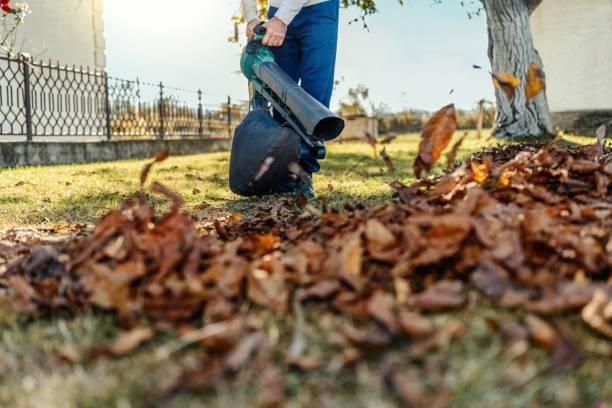
Brush Removal in Joplin, MO: Managing Overgrowth and Accumulated Yard Debris

Overgrown brush can turn a neat yard into a hard-to-use space, especially after storms, seasonal pruning, or a long stretch without cleanup. Loose branches, vines, and leaf-packed piles can block walkways, hide drainage areas, and create extra work before mowing or landscaping. A clear estimate from R&D Junk Removal can help a property owner understand the labor, loading, and disposal needs before work begins. For homeowners comparing brush removal in Joplin, MO, the main question is not only how fast the debris can disappear, but what disposal method fits the yard and local conditions.
Key Takeaways
-
The material type, pile size, and access to the yard shape the removal plan.
-
Sorting usable wood, green waste, and unwanted debris can simplify hauling and disposal.
-
Safe timing and careful site preparation matter as much as the final cleanup.
The Yard Problem Starts Before the Pile
Brush rarely appears all at once. It often builds from routine pruning, fallen limbs, fence-line growth, and neglected corners. A small pile may seem manageable until branches become tangled, wet leaves add weight, or vines wrap around everything underneath. In other cases, woody growth spreads into a path or covers a drainage route, creating a larger property concern than simple appearance.
Accumulated yard debris can also make other outdoor work harder. Mowers may not reach certain areas, landscapers may need to clear space before planting, and fallen limbs can make a gate or side path difficult to use. Clearing the material restores access, but a good plan also considers what caused the buildup and whether the area needs trimming, replanting, or regular maintenance afterward. Many owners schedule junk removal in Joplin, MO once a pile becomes too tangled for a normal bin.
The first step is a realistic look at the full scope. A pile beside a driveway is different from scattered limbs across a fenced backyard. A few dry branches may be suitable for a homeowner to handle, while dense brush near a shed, power line, or steep slope may call for professional equipment and added caution.
Removal Options Depend on the Material
Several approaches can work, and the right choice depends on the size and condition of the debris. Homeowners with a small, dry pile and proper tools may be able to cut manageable branches, bundle them, and follow the local collection requirements. This option usually makes sense when the material is light, the work area is open, and the owner can handle lifting without strain.
A municipal or private yard-waste drop-off may suit clean branches and leaves, but acceptance rules can vary. Some facilities limit branch diameter, require separation from trash, or do not accept soil, treated lumber, or invasive plant material. Checking those conditions before loading a vehicle prevents a rejected trip and a second round of handling.
Chipping can reduce the volume of clean woody material and may create mulch for paths or planting beds. It is not automatically the best answer, however. Diseased plants, invasive vines, thorny growth, and debris mixed with dirt may not be suitable for use around the property. The final destination for the chips should be decided before processing so the reduced material does not simply become another unwanted pile.
A removal service may be more practical when the pile is large, scattered, difficult to reach, or mixed with other debris. The main benefit is not just hauling. It is the coordination of cutting, carrying, loading, sorting, and disposal when the property owner lacks the time, equipment, or physical ability to manage each step.
Safety, Access, and Timing Matter
Brush can hide sharp metal, broken glass, animal nests, unstable limbs, and low branches. Gloves and sturdy footwear help, but protective equipment does not remove every risk. A branch under tension can shift when cut, and a pile that looks stable may roll or collapse when someone pulls from the bottom. Areas near utility lines require particular caution, and work should stop if the debris cannot be moved without entering a hazardous space.
Access also changes the workload. A pile near a curb or wide driveway may be simple to load, while material behind a narrow gate may require more hand-carrying. Wet ground can make equipment movement harder and may damage soft lawns. Timing can matter after severe weather as well. A Missouri storm cleanup plan may need to account for unstable limbs, blocked access, and other urgent property tasks before routine brush hauling begins.
The safest schedule is one that leaves enough room for sorting and loading without pressure. Rushing before a scheduled landscaping project can lead to poor separation, damaged plants, or debris left behind. A property owner should also move toys, hoses, furniture, and vehicles away from the work path when possible.
Define the Cleanup Scope Before Choosing a Method
Material, volume, and access are the three most useful starting points. Brush may include thin twigs, thick limbs, logs, roots, vines, leaves, and general trash that became mixed into the pile. Each type takes a different amount of effort to cut, lift, load, and process. Soil-covered roots or wet organic waste may also need separate handling from clean branches. A brush removal guide explains how homeowners can prepare before booking.
A site check helps prevent a simple-looking job from becoming an underplanned one. The property owner can identify where the debris sits, how far it must travel to a vehicle, and whether gates, steps, landscaping, or parked cars limit movement.
A Quick Site Check
-
Measure the approximate length, width, and height of the largest pile.
-
Separate branches from bagged leaves, lumber, metal, and household trash.
-
Check gates, driveways, fences, and overhead obstacles along the access route.
-
Note whether the material is dry, wet, tangled, thorny, or mixed with soil.
These details do not need to be exact. Their purpose is to give the removal provider a clearer picture and help the property owner avoid surprises. Photos taken from several angles can also show the relationship between the pile and nearby structures, although an on-site review may still be needed for complicated areas.
Common Mistakes That Raise the Workload
Many brush problems become more expensive or time-consuming because the material is handled twice. Small planning choices can reduce that risk.
-
Mixing branches with household trash can limit disposal options and slow loading.
-
Cutting everything into very small pieces can add labor without making hauling easier.
-
Pulling tangled vines before checking for wire, fencing, or hidden objects can create injuries.
-
Leaving a pile against a structure can trap moisture, block inspection, and limit equipment access.
Another common mistake is assuming that every branch can become firewood or mulch. Wood that is rotten, insect-damaged, painted, or mixed with soil may not be useful on-site. Keeping questionable material separate gives the property owner more choices and makes the final disposal decision clearer.
It is also easy to underestimate scattered debris. Ten small piles across a backyard may require more walking and loading time than one compact pile. An honest scope should include both visible stacks and loose material under shrubs, along fences, and near outbuildings.
Local Conditions in Joplin, MO
Properties in and around Joplin can include established trees, wooded edges, older fences, sloped sections, and compact side yards. The relevant conditions differ from one address to another, so a removal plan should be based on the actual site rather than a standard pile size. Driveway width, gate placement, lawn condition, and the distance to the loading area all affect the work.
A property owner researching Joplin yard debris removal should also clarify how the material will be handled after loading. Questions about green waste, logs, leaves, and mixed trash are more useful than a general request for cleanup because each category may have different disposal limits. Local collection schedules and facility requirements can change, so current information should be checked before a load is taken away.
Burning, dumping, or placing large amounts of debris at the curb may not be suitable for every property or collection program. The responsible choice is to confirm the applicable local requirements and avoid leaving material where it can obstruct drainage, sidewalks, roads, or neighboring access.
Questions to Settle Before Work Begins
A clear conversation helps the property owner compare options without focusing only on the pile's appearance. The estimate should reflect the complete task, including loading and the intended disposal method.
-
Is the price based on volume, labor time, truck space, or a combination of factors?
-
Does the scope include cutting, raking, loading, and final sweeping?
-
Are logs, roots, leaves, vines, and non-yard debris handled separately?
-
Are there access limits that could require extra hand-carrying or protect nearby landscaping?
The property owner should also ask what preparation is expected before arrival. Moving vehicles and loose items may help, but cutting, sorting, or bagging material in advance could be unnecessary if the removal plan already includes those tasks. Clear boundaries keep the work focused and reduce the chance that a partially completed cleanup will leave the hardest material behind.
For recurring overgrowth, the immediate cleanup should lead to a maintenance decision. Trimming branches away from paths, removing dead growth, and monitoring fence lines can slow the return of dense brush. If the source is an invasive plant or a fast-spreading vine, removal of the visible tops may not solve the problem; a qualified landscaping professional may be needed to address the roots and future growth.
A Practical Way to Choose the Next Step
A small, accessible pile of clean branches may suit careful do-it-yourself handling or a local drop-off. A large, wet, tangled, or scattered pile may justify scheduled hauling, especially when the property owner lacks suitable tools or cannot safely move heavy material. The decision should account for physical effort, disposal limits, access, and the value of the owner's time.
The best plan is the one that matches the actual material and leaves the property usable afterward. Before work begins, the owner should identify the full cleanup area, separate anything that may require special handling, and confirm how the debris will leave the site. That preparation supports a more accurate estimate and helps avoid unsafe shortcuts.
Conclusion
Managing overgrowth and accumulated yard debris takes more than moving a pile from one part of the property to another. Material type, volume, access, safety, timing, and disposal rules all shape the right approach. A small clean pile may be manageable with careful preparation, while dense or difficult debris may call for organized hauling. A clear scope gives the property owner a safer, more predictable path to a usable yard.
Make a Clear Removal Plan
Before cutting more branches or moving a large pile, a property owner can list the material, note access limits, and decide whether usable wood will stay on the property. A removal professional can review the scope, explain handling options, and provide a clear estimate based on volume and site conditions. That conversation can help the owner choose a safe next step, avoid unnecessary hauling, and plan the work around mowing, landscaping, or other scheduled yard tasks.
Frequently Asked Questions
Can Brush Be Left for Regular Trash Collection?
That depends on the local collection program and the material's size, weight, and preparation. Some services accept bundled branches or bagged leaves, while others require yard waste to go to a separate facility. Current rules should be checked before material is placed at the curb.
Should Branches Be Cut Before They Are Hauled Away?
Small branches may be easier to handle when shortened, but cutting every piece is not always worthwhile. Excessive cutting can add labor without improving loading. The best approach depends on branch thickness, pile size, access, and the equipment available for the job.
What Happens When Vines Are Mixed Into a Brush Pile?
Vines should be handled carefully because they can conceal fencing, wire, thorns, or unstable branches. Pulling blindly can cause an injury or damage nearby plants. Separating vines from clean wood helps determine whether they can be composted, hauled, or require another form of disposal.
Is Chipping Appropriate for Every Type of Yard Debris?
No. Chipping is generally intended for suitable woody material, not soil, household trash, treated lumber, or every type of plant waste. Diseased or invasive material may also need separate handling. The intended use of the chips should be decided before that method is selected.
What Should a Removal Estimate Include?
A useful estimate should explain the expected scope, including cutting if needed, loading, hauling, disposal, and cleanup of the work area. It should also account for access limits and mixed materials. Clear details make it easier to compare options and understand what is included.
