

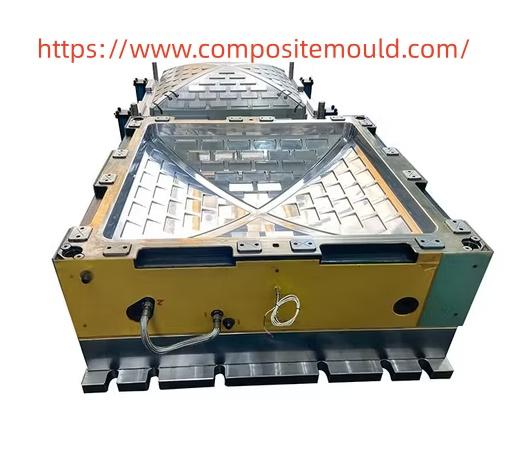

BMC Mould selection requires buyers to evaluate how the tooling will perform under actual production conditions. Material characteristics, cavity geometry, filling behavior, heating arrangements, and demoulding methods all deserve attention before an order is confirmed. A detailed purchasing brief helps the manufacturer understand the component and discuss practical design requirements before machining begins.
Prepare Accurate Product Drawings
The component drawing provides the foundation for tooling evaluation. Buyers should prepare accurate 2D drawings, 3D models, or physical samples showing dimensions, wall thickness, mounting positions, and functional surfaces.
Pay particular attention to complicated shapes. Deep cavities, narrow channels, curved sections, ribs, and small openings may require additional engineering consideration. If certain dimensions are important for assembly or sealing, mark them clearly in the technical documents.
The intended application should also be explained. Electrical housings, industrial enclosures, automotive components, and structural parts can have different appearance, dimensional, and functional requirements. This information allows the engineering team to evaluate the proposed cavity structure according to the actual application.
Confirm Material Specifications
Material characteristics can influence flow behavior, curing, shrinkage, and surface appearance. Buyers should provide the exact compound grade and its technical data sheet when requesting a quotation.
Relevant information may include resin type, fiber content, filler composition, recommended processing temperature, curing time, and other supplier-provided parameters. These details help the manufacturer assess the processing requirements rather than relying on general assumptions.
If several material grades may be used for the same component, explain their differences in advance. Variations in material composition can require adjustments to processing conditions or tooling considerations.
Evaluate Cavity Layout and Filling Conditions
The cavity layout should correspond with the component geometry and intended production process. Material distribution can become challenging around narrow sections, deep pockets, ribs, and areas with varying wall thickness.
Ask the manufacturer how the charge position and cavity arrangement will support filling. For multi-cavity projects, discuss how the design will address material distribution between individual cavities.
Potential filling difficulties should be considered during engineering review. If an existing part has incomplete sections, trapped air marks, or uneven surfaces, provide photographs and production records. These references can help identify areas that may need structural adjustments.
Examine Venting and Flash Control
Air needs a suitable route out of the cavity as material moves into position. Insufficient venting may contribute to voids, burn marks, or incomplete filling. Buyers should ask where vents will be positioned and how they will be inspected and maintained.
Parting lines and overflow channels also influence the finished component. Their positions should be considered in relation to visible surfaces, assembly interfaces, and areas requiring dimensional control.
Explain which surfaces can accept trimming marks and which require a cleaner appearance. This gives the manufacturer useful guidance when planning cavity edges and overflow arrangements. It also helps both parties establish practical finishing expectations before production trials.
Review Inserts and Ejection Arrangements
Some industrial components include threaded inserts, metal fittings, mounting points, or other embedded features. Their dimensions, positions, and fixing methods should be confirmed before manufacturing.
Provide detailed insert drawings and explain whether these features need to remain exposed, aligned, or securely embedded after molding. The manufacturer can then review the loading method and consider how the inserts will be positioned during each production cycle.
Ejection design deserves similar attention. Pins, sleeves, and release structures should be positioned to avoid unnecessary marks or deformation. Thin walls and delicate edges may require special consideration when selecting the release arrangement.
Discuss Tool Materials and Heating Control
Tool material selection should reflect production volume, processing temperature, compound characteristics, and maintenance expectations. Buyers can ask about steel grades, heat treatment, surface protection, and replaceable wear sections.
Heating control is another important point. Uneven temperature distribution may affect curing consistency and dimensional results. Discuss the heating method, sensor positions, control arrangement, and compatibility with the production press or other equipment.
Maintenance access should not be overlooked. Cleaning, inspection, and replacement of worn components need to be considered during the design stage. A practical maintenance arrangement can make routine production management easier.
Establish Inspection and Trial Standards
Before placing an order, agree on how the finished tooling and molded samples will be evaluated. Identify critical dimensions, acceptable surface conditions, flash requirements, and functional checks related to the component application.
The trial plan should specify the expected sample quantity and the information to be recorded. For multi-cavity projects, clarify whether samples from every cavity will be inspected. Measurement reports, trial records, and photographs can provide useful references when reviewing results.
If adjustments are necessary, record the identified issue and the agreed modification. Clear documentation helps prevent misunderstandings when the tooling moves from initial trials toward regular production.
Provide Complete Information to Your Manufacturer
A detailed inquiry should include component drawings, material specifications, production equipment information, expected output, cavity requirements, and inspection standards. Buyers should also explain the intended application and any plans for future product changes.
As a tooling manufacturer, compositemould can review project documents and discuss design details, manufacturing arrangements, and customer requirements. Providing clear information at the beginning helps make technical communication and quotation preparation more specific.When evaluating a supplier, consider engineering communication, machining arrangements, inspection procedures, trial support, and project coordination alongside the quotation. Buyers preparing a custom order can visit https://www.compositemould.com/product/ to review the product range and contact compositemould with drawings and production details for further discussion.
