

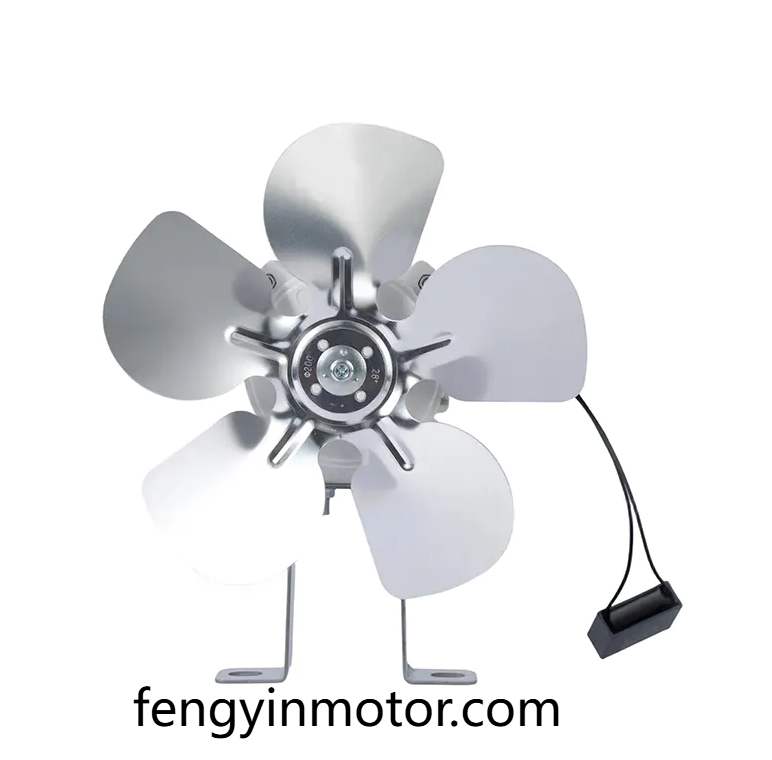

Different types of equipment place different demands on their cooling and ventilation systems. When selecting a Motor Fan Blade, manufacturers need to consider how the equipment operates, where it is installed, and what role airflow plays in its daily performance. A component suitable for one machine may not deliver the same results in another application. Understanding these differences helps buyers make informed decisions and find products that match their equipment requirements.
Fan Blade Selection for Industrial Machinery
Industrial machinery often operates in demanding working environments. Production equipment, processing machines, and factory ventilation systems may run for extended periods, making stable airflow an important part of equipment operation.
When choosing fan components for industrial machinery, manufacturers should first identify the areas where heat is generated and how air needs to circulate around them. Some machines require airflow to support motor cooling, while others depend on ventilation to prevent heat from accumulating inside an enclosure.
The surrounding production environment also deserves attention. Dust, airborne particles, and frequent equipment operation can influence component selection. Buyers should consider whether the blade material and overall construction are suitable for the conditions in which the machine will operate.
Another consideration is maintenance access. Industrial equipment is often designed around production efficiency, so components that are difficult to inspect or replace may increase maintenance complexity.
Choosing Fan Blades for Commercial Refrigeration
Commercial refrigeration equipment has different airflow requirements from general industrial machinery. Refrigerators, display cabinets, and cooling systems depend on air circulation to support heat exchange and maintain appropriate conditions within the equipment.
In these applications, airflow direction and distribution are particularly important. A poorly matched fan component may contribute to uneven air movement, which can affect the overall cooling process.
The internal layout of refrigeration equipment also influences the selection process. Evaporators, condensers, protective structures, and other internal components create different airflow paths. Manufacturers should consider how the fan assembly interacts with these parts instead of selecting a blade based on appearance alone.
Material compatibility is another relevant factor. Refrigeration equipment may experience moisture and changing temperature conditions, so the component should be suitable for its intended operating environment.
Selecting Components for HVAC Equipment
Heating, ventilation, and air conditioning equipment serves different purposes depending on its installation and operating conditions. Some systems circulate air throughout buildings, while others support ventilation in commercial spaces or specific working areas.
For these applications, buyers should pay attention to the relationship between airflow direction, equipment structure, and installation position.
A fan used in a ventilation unit may need to move air through ducts or enclosed passages. A component installed in an air-conditioning system may work as part of a larger arrangement involving heat exchange and air distribution.
Space limitations can also affect the selection process. Compact equipment may require a particular blade structure to fit within its housing and maintain an appropriate airflow path.
Working closely with the equipment manufacturer during the selection stage can help prevent installation conflicts and unnecessary design changes.
Fan Blade Requirements for Household Appliances
Household appliances generally place greater emphasis on user experience, appearance, and convenient operation. Products such as air coolers, ventilation appliances, and other motor-driven devices may use different fan structures according to their functions.
Noise is an important consideration in these applications. Consumers may notice operating sounds more easily when appliances are used in bedrooms, kitchens, or living spaces.
Manufacturers should therefore evaluate the complete fan assembly, including the motor, blade design, housing, and installation arrangement. A suitable combination can help support airflow requirements while maintaining an acceptable operating experience.
Product size and internal layout also matter. Appliance designers often need to balance available installation space with the required ventilation function. Component compatibility should be considered during product development rather than addressed only after assembly begins.
Considerations for Agricultural and Outdoor Equipment
Agricultural machinery and outdoor equipment may operate in environments where dust, moisture, changing weather conditions, and airborne debris are common.
These conditions create different selection requirements from those found in indoor appliances. Buyers should examine the material characteristics, structural suitability, and environmental compatibility of the fan assembly.
For example, equipment used in agricultural processing may require ventilation to help manage heat around operating components. Outdoor machinery may need cooling support while exposed to changing environmental conditions.
Easy inspection and maintenance are also worth considering. Components that can be accessed and checked conveniently may help simplify routine equipment servicing.
The selection process should reflect the actual working environment rather than assuming that all outdoor applications have identical requirements.
How to Compare Different Application Requirements
Before purchasing fan components, buyers can compare the requirements of their equipment from several practical perspectives.
· Equipment purpose: Determine whether airflow is mainly intended for motor cooling, ventilation, or heat exchange.
· Installation structure: Check the available space, mounting arrangement, and surrounding components.
· Operating environment: Consider exposure to dust, moisture, temperature changes, and other environmental conditions.
· User expectations: Evaluate noise, operating comfort, and maintenance convenience where relevant.
· Manufacturing compatibility: Confirm whether the component can be integrated into the existing production and assembly process.
This comparison helps purchasing teams communicate their requirements more clearly and reduces the possibility of selecting components that do not suit the intended application.
Choosing a Reliable Motor Manufacturing Partner
Product selection is only one part of the purchasing process. Manufacturing experience, product consistency, technical communication, and supply coordination also influence the suitability of a supplier.
An experienced Electric Motor Manufacturer can help buyers understand how motor construction and fan components work together across different equipment applications. This is particularly useful for businesses developing customized products or sourcing components for multiple product lines.
Buyers can visit https://www.fengyinmotor.com to learn more about Hangzhou Fengyin Motor Manufacturing Co., Ltd. and its motor manufacturing business. Providing information about the intended equipment, installation conditions, and application requirements can support more effective communication when discussing suitable motor and fan component solutions.
