

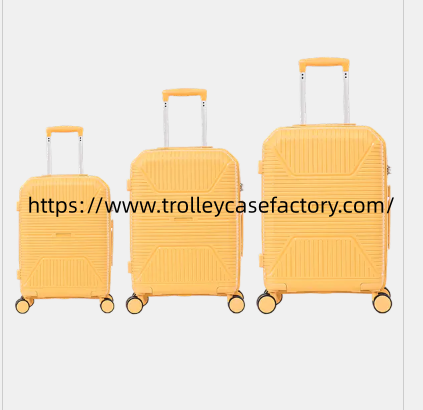

Trolley Luggage With TSA Lock combines a built-in combination mechanism with storage space and mobile handling features for travelers. For importers, wholesalers, retailers, and private-label brands, choosing a suitable model requires more than comparing colors or exterior shapes. Buyers should examine the relationship between the locking mechanism, zipper pulls, shell structure, handles, wheels, and interior components. Each part contributes to the product's overall usability, so a structured evaluation can help businesses select a configuration that matches their market requirements.
Review the Combination Mechanism
Start by asking the manufacturer for details about the combination mechanism, including its structure, operating procedure, and installation position. Buyers can request clear photographs and relevant product documentation to check whether the supplied component matches the product description.
During sample inspection, turn the number wheels and operate the release button several times. Check whether the controls move smoothly and whether the opening procedure is consistent. Any unusual resistance or loose movement should be reported before the sample receives approval.
Instructions are another important consideration. Customers should be able to understand the initial setup, code adjustment, and normal opening process. Buyers can request a copy of the instruction sheet and review its wording and illustrations. For international distribution, translated versions may help reduce confusion among different customer groups.
Inspect Zipper Alignment and Closure
The zipper system should fit the surrounding components without unnecessary friction. Check whether the zipper pulls reach their designated positions and whether they can be connected without bending or applying excessive force.
Open and close the sample repeatedly. Pay attention to movement around corners, alignment between the two sides, and contact with nearby materials. A well-arranged closure should not interfere with ordinary packing or make access to the main compartment inconvenient.
Buyers should also examine the stitching around the zipper track. Uneven seams, loose threads, or inconsistent attachment may indicate areas that need further adjustment. These details are easier to address during sample development than after a large production run has started.
Compare Shell Materials and Finishes
The outer shell affects appearance, weight, handling, and production cost. Ask the supplier about available material options, surface treatments, thickness, and color selections. The right combination depends on the target market, expected retail positioning, and intended customer group.
Inspect the sample under normal lighting. Look for consistent coloring, clean edges, and an even surface finish. Pay attention to corners and connection areas, where differences in assembly may become visible.
For private-label projects, buyers can discuss customized colors, surface patterns, and logo placement. It is helpful to confirm these details through an approved sample so that both parties have a clear reference before manufacturing begins.
Test the Handle and Wheel Assembly
The telescopic handle should extend and retract without unnecessary resistance. Buyers can test each available height and check whether the grip feels comfortable during use. Examine the rods and attachment points for visible movement or uneven assembly.
Wheels should be tested on several floor surfaces. Observe whether they rotate evenly, respond to changes in direction, and remain properly attached during movement. Buyers can also compare different wheel arrangements according to the size and intended use of the case.
These practical tests help identify differences that photographs cannot show. If a sample feels unstable or difficult to guide, discuss the issue with the manufacturer before selecting the final configuration.
Examine the Interior and Packing Capacity
Interior organization influences how travelers arrange their belongings. Buyers should inspect the lining, divider panels, elastic straps, zipper pockets, and compartment layout. Check whether the fabric is attached evenly and whether the dividers remain in place during ordinary use.
Compare internal dimensions with the external measurements to understand the available packing space. A well-planned layout should make practical use of the case interior without creating unnecessary restrictions.
Retailers may also want to compare several sizes within the same product range. Consistent design details across different dimensions can help create a coordinated collection for store displays and online product listings.
Confirm Quality Standards Before Production
Before placing a bulk order, prepare a sample inspection checklist covering the combination mechanism, zipper movement, exterior finish, handle adjustment, wheel rotation, interior assembly, and packaging condition.
Share the inspection requirements with the manufacturer in advance. Define acceptable appearance conditions, functional testing procedures, and the process for handling products that do not meet agreed specifications. Written requirements help purchasing and production teams work from the same reference.
For customized projects, record approved colors, materials, dimensions, logo artwork, component arrangements, and carton details. Any adjustment made after sample approval should be documented and communicated to the production team.
Discuss Commercial and Customization Details
Different sales channels may require different product arrangements. Retail brands may focus on appearance and packaging, while distributors may prioritize size combinations, carton quantities, and supply schedules.
Before confirming an order, discuss minimum order quantities, sample arrangements, production timing, payment terms, and shipping requirements. Buyers should also ask how updates will be communicated if materials or specifications need to change.At trolleycasefactory, buyers can discuss product configurations, branding options, and customization requirements according to their intended markets. Providing clear information about preferred dimensions, design details, and expected order quantities helps establish a practical basis for cooperation. To review the company's available products and discuss a purchasing project, visit https://www.trolleycasefactory.com/
