

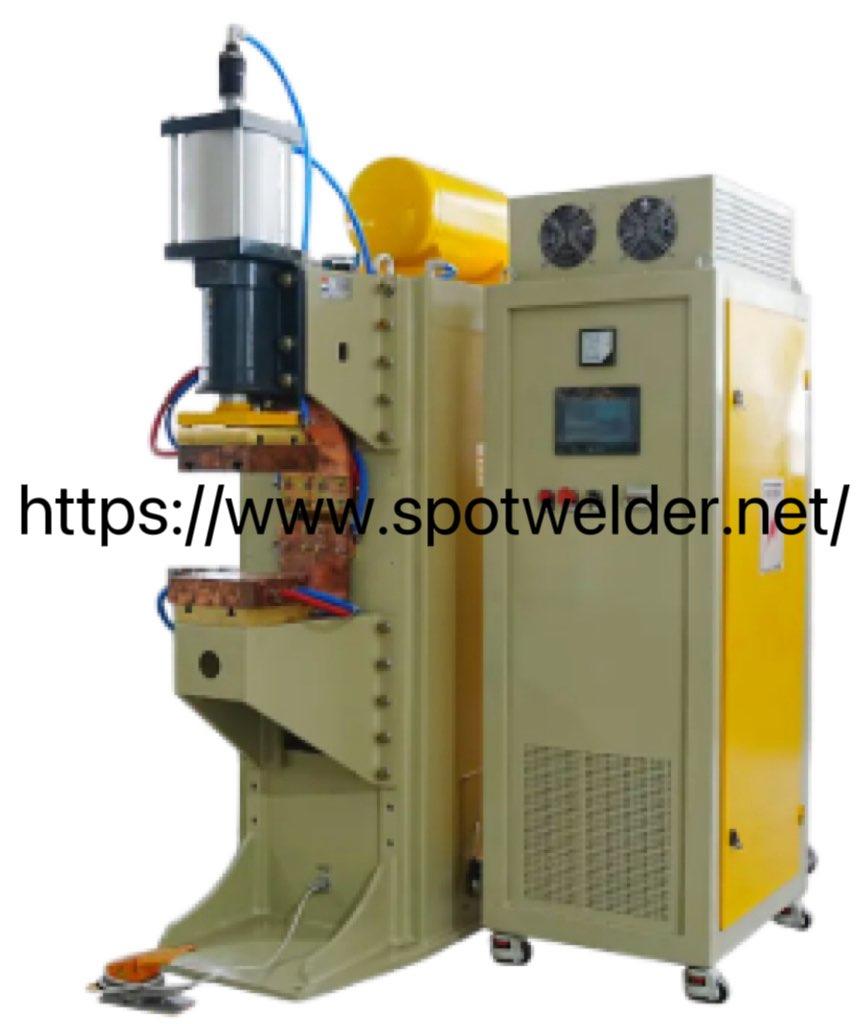

China Spot Welder selection should start with the actual metal components that a factory intends to join. Buyers need to consider material type, thickness, workpiece dimensions, joint locations, and expected production volume before comparing machine prices. A model that suits one assembly may not fit another, even when both products use similar metals. Preparing these details helps purchasers discuss technical requirements with a supplier and evaluate whether a proposed configuration matches their manufacturing process.
Identify the Material and Joint Requirements
Material information is the foundation of a purchasing specification. Buyers should identify the metal grade, surface condition, coating, thickness of each layer, and number of sheets or components being joined.
Different combinations can require different process settings. For example, joining two thin sheets may involve different current and pressure conditions from joining several layers or components with unequal thicknesses. Surface coatings can also influence electrical contact and process consistency.
Prepare drawings or representative samples before requesting a quotation. Mark the required joining locations and provide measurements where possible. This allows the technical team to consider electrode access, arm clearance, and fixture positioning rather than relying on a general description of the product.
Compare Machine Types and Power Options
Buyers should ask which machine type corresponds with their materials and production method. Industrial resistance joining systems can use different power supplies and control approaches, including conventional AC, medium-frequency inverter, and capacitor-discharge configurations.
Each arrangement has its own operating characteristics and application considerations. The appropriate choice depends on the workpiece, process requirements, production rhythm, and available electrical supply. Avoid choosing a model based only on its rated capacity.
Ask the supplier to explain the available current range, transformer specifications, control functions, and operating conditions. A clear technical comparison makes it easier to understand what each configuration can support and which options are relevant to the project.
Check Electrode Access and Machine Dimensions
A machine may have suitable electrical specifications but still be difficult to use if its structure cannot accommodate the workpiece. Buyers should review throat depth, arm length, electrode opening, working height, and the space available for loading and unloading.
Consider the distance between the edge of the component and each joining point. Deep or narrow sections may require a different arm shape or specially designed electrodes. Large assemblies may also need a wider working area.
Ask whether the proposed model supports interchangeable arms or customized fixtures. If the product has several joining positions, provide a drawing that shows their locations. This helps the supplier assess whether a standard structure is suitable or whether modifications should be discussed.
Evaluate the Control System and Operating Method
The control system affects how operators manage the production cycle. Buyers should check whether current, timing, and pressure settings can be adjusted to suit the intended process.
For projects involving several product models, parameter storage may help operators select the required settings for different workpieces. Purchasers should also ask about the control interface, operating sequence, fault indications, and available monitoring functions.
The operating method deserves attention as well. Manual, pneumatic, and semi-automatic arrangements may suit different production environments. Consider operator experience, loading frequency, component positioning, and the amount of process repetition involved.
Review Factory Installation Conditions
Before placing an order, confirm that the machine can be installed and operated at the intended facility. Electrical supply is particularly important for overseas buyers because voltage, frequency, and phase arrangements vary between locations.
The purchasing team should prepare information about:
Available voltage and power supply.
Factory floor space and machine access.
Cooling water or compressed air requirements, where applicable.
Material loading and unloading arrangements.
Operator working area and safety provisions.
Installation and maintenance access.
Sharing these details early can help identify additional requirements before shipment. It also gives the supplier a clearer picture of the intended working environment.
Request Sample Testing Before Confirmation
Sample testing provides a practical way to review a proposed configuration. Buyers can submit representative workpieces and ask the supplier to conduct trials under agreed conditions.
During testing, pay attention to joint appearance, surface marks, component alignment, electrode contact, and consistency across repeated operations. If the application has specific strength or inspection requirements, agree on the evaluation method before the test begins.
Keep a record of the material combination, machine settings, electrode arrangement, and test results. These records can serve as a reference when reviewing the final configuration and confirming production requirements.
Consider Maintenance and Future Production Changes
Purchasing decisions should also account for routine servicing and possible changes in product design. Ask about electrode replacement, cooling system maintenance, commonly used spare parts, and technical assistance.
If the factory expects to introduce additional workpiece sizes or designs, discuss the flexibility of the proposed structure. A suitable fixture arrangement or replaceable tooling may help accommodate future production changes without requiring a completely different machine.
Buyers should also confirm the documentation supplied with the order, including operating instructions, electrical diagrams, maintenance guidance, and parts information.
Discuss Your Application with the Supplier
A clear purchasing specification helps connect machine selection with real production conditions. Before requesting a quotation, prepare workpiece drawings, material details, thickness information, joining locations, output targets, and factory utility requirements. These details allow the supplier to review the application and discuss a suitable configuration.For buyers comparing industrial joining solutions from overseas suppliers, spotwelder provides product options covering different resistance-based processes and production applications. Visit https://www.spotwelder.net/product/ to review available models and discuss your project requirements, including machine structure, tooling arrangements, sample trials, and order details.
