

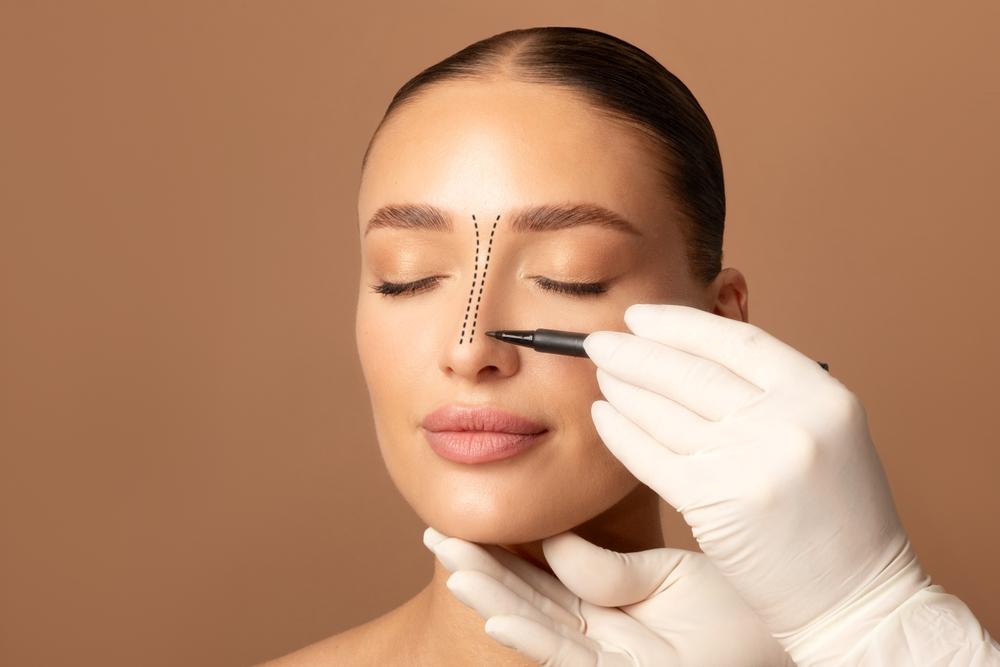
Revision Rhinoplasty Dubai: How Can Surgeons Address Asymmetry After Previous Nose Surgery?

Rhinoplasty can change the appearance of the nose by improving its shape, proportions, and overall balance with the face. However, achieving the desired outcome can sometimes be challenging, particularly when the nose develops asymmetry after an earlier procedure. Uneven nostrils, an irregular nasal bridge, a deviated tip, or differences between the two sides of the nose may affect facial harmony and leave patients considering another surgical procedure.
Revision rhinoplasty is a specialised procedure designed to correct concerns that remain after previous nose surgery. Unlike primary rhinoplasty, revision surgery involves working with an existing nasal structure that may have altered cartilage, scar tissue, or limited structural support. Surgeons must carefully assess these changes before deciding how to improve the nose's appearance and, where necessary, its function.
For individuals considering Revision rhinoplasty dubai, understanding how surgeons identify and address asymmetry is an important part of making an informed decision. Dr. Shahram Sajjadi focuses on evaluating individual nasal anatomy and developing surgical approaches that consider facial proportions, structural stability, and the patient's expectations.
Understanding Nasal Asymmetry After Previous Rhinoplasty
Nasal asymmetry refers to differences in the shape, position, or proportions of the two sides of the nose. Although no human face is perfectly symmetrical, noticeable irregularities following rhinoplasty can become a concern for some patients.
The nose contains several interconnected structures, including bone, cartilage, skin, and soft tissue. Changes to one area can influence the appearance of another. For example, an uneven nasal bridge may affect the alignment of the tip, while differences in cartilage support can contribute to irregular nostril shapes.
Some patients notice asymmetry shortly after their initial operation, while others observe changes as swelling gradually resolves and tissues settle.
Common concerns following previous rhinoplasty include:
- Uneven nostrils: One nostril may appear wider, narrower, or differently positioned than the other.
- Crooked nasal bridge: The upper portion of the nose may lean towards one side.
- Asymmetrical nasal tip: Differences in cartilage shape or support can create an uneven or off-centre tip.
- Uneven nasal width: The nose may appear broader on one side.
- Irregular contours: Small depressions, raised areas, or visible differences may develop along the nasal bridge.
- Unequal nasal openings: Changes to the columella or nostril base can affect the balance of the lower nose.
Identifying the specific source of asymmetry helps surgeons determine which structures require correction.
Why Can Asymmetry Develop After Previous Nose Surgery?
There are several reasons why a nose may appear uneven after an initial rhinoplasty. Understanding the underlying cause is essential because revision surgery should address the structural problem rather than simply change the visible appearance.
Changes in Cartilage Structure
Cartilage provides much of the nose's shape and support, particularly around the nasal tip and nostrils. During primary rhinoplasty, cartilage may be reshaped, repositioned, or reduced to achieve the planned appearance.
If the remaining cartilage does not provide balanced support, the nasal tip may become uneven. In some cases, the tip can gradually shift or develop an irregular contour.
Revision surgery may involve repositioning existing cartilage or introducing additional structural support to improve symmetry.
Uneven Bone Reshaping
The nasal bones contribute to the shape and alignment of the upper nose. If the bones heal in an uneven position following surgery, the bridge may appear crooked or asymmetrical.
Surgeons assess the position of the nasal bones and surrounding structures to determine whether controlled reshaping or repositioning is necessary.
Scar Tissue Formation
Scar tissue develops naturally as the body heals after surgery. However, internal scar formation can sometimes affect the flexibility and positioning of nasal tissues.
Uneven scar tissue may create visible irregularities or pull certain areas away from their intended position. During revision surgery, surgeons may need to carefully release or reshape scar tissue to improve the nasal contour.
Changes During the Healing Process
The nose continues to change during recovery as swelling decreases and tissues settle. Different areas may heal at different rates, making temporary asymmetry more noticeable.
This is why surgeons generally recommend allowing sufficient time for the initial rhinoplasty to heal before considering another procedure. In many cases, approximately 12 months is recommended, although the appropriate waiting period depends on the original surgery and individual healing progress.
How Do Surgeons Evaluate Nasal Asymmetry Before Revision Rhinoplasty?
A detailed assessment is one of the most important stages of revision surgery. Because every previous rhinoplasty creates a different anatomical situation, surgeons cannot rely on a standard correction technique.
The evaluation usually considers the external appearance of the nose, internal structures, skin characteristics, and the patient's medical and surgical history.
Reviewing the Previous Surgical Procedure
Surgeons may review medical records, previous surgical photographs, and details of the original procedure. Understanding which structures were modified can help identify potential reasons for the current asymmetry.
For example, if cartilage was previously removed from the nasal tip, additional support may be required rather than further reduction.
Examining the Nose From Different Angles
A comprehensive examination includes assessing the nose from the front, side, and underneath.
The frontal view helps identify deviations, uneven nostrils, and differences in nasal width. Side views provide information about the bridge, projection, and overall nasal profile. The base view helps surgeons assess nostril shape and the position of the nasal tip.
Photographs may also be used to compare facial proportions and support surgical planning.
Assessing Nasal Function
Appearance is not the only consideration. Previous surgery may also affect airflow or the internal nasal structures.
Surgeons may examine the septum, nasal passages, and surrounding tissues to understand whether functional concerns are contributing to the patient's experience.
A balanced revision plan should consider both external appearance and nasal function.
Surgical Techniques Used to Correct Asymmetry in Revision Rhinoplasty
The surgical approach depends on the location and severity of the asymmetry, the condition of the remaining cartilage, and the amount of structural support available.
For patients seeking Revision rhinoplasty dubai, the objective is to develop an individualised approach that improves nasal balance while maintaining a natural appearance.
Cartilage Grafting for Structural Support
Cartilage grafting is an important technique in many revision procedures. It involves using cartilage to reinforce or reshape areas that lack sufficient support.
Depending on the patient's anatomy, surgeons may obtain cartilage from the nasal septum, ear, or rib.
Septal cartilage may be suitable when sufficient material remains from the previous procedure. Ear cartilage can provide additional material for selected areas, while rib cartilage may be considered when more substantial structural support is required.
Cartilage grafts can help:
- Improve nasal tip definition.
- Support an uneven nasal bridge.
- Correct selected contour irregularities.
- Improve nostril symmetry.
- Reinforce areas where cartilage was previously removed.
The choice of graft material depends on the amount of correction required and the patient's existing anatomy.
Correcting a Deviated Nasal Bridge
When asymmetry affects the upper portion of the nose, surgeons may need to address the position of the nasal bones.
Depending on the underlying structure, controlled bone repositioning can help improve alignment and create a straighter nasal appearance.
The surgeon must also consider the relationship between the nasal bridge and the rest of the facial features. Making the bridge appear perfectly straight in isolation does not always produce the most harmonious result.
Reshaping the Nasal Tip
The nasal tip is particularly important for overall facial balance. Even a small difference in cartilage positioning can make the nose appear uneven.
Surgeons may use specialised suturing techniques, cartilage repositioning, or structural grafts to improve tip definition and alignment.
The aim is to create a stable and balanced tip without removing unnecessary cartilage or compromising its supporting framework.
Improving Nostril Symmetry
Uneven nostrils may result from differences in cartilage support, scar tissue, or previous changes to the nostril base.
Depending on the cause, surgeons may adjust the surrounding cartilage, improve structural support, or perform carefully planned modifications to the nostril base.
It is important to consider nostril symmetry alongside nasal tip position because correcting one area can influence the appearance of the other.
Releasing and Managing Scar Tissue
When internal scar tissue contributes to asymmetry, surgeons may carefully release restrictive tissue during revision surgery.
This can allow the surrounding structures to be repositioned more effectively. However, the approach must be planned according to the condition of the existing skin and soft tissues.
Open vs Closed Revision Rhinoplasty: Which Approach Is More Suitable?
Revision rhinoplasty can be performed using an open or closed surgical approach. The choice depends on the complexity of the correction and the visibility required to work accurately with the nasal structures.
Open Revision Rhinoplasty
Open rhinoplasty involves a small incision across the columella, the tissue separating the nostrils, along with incisions inside the nose.
This approach allows the surgeon to lift the nasal skin and examine the underlying structures directly.
It may be particularly useful when correcting significant tip asymmetry, repositioning cartilage, placing structural grafts, or addressing multiple anatomical concerns.
Closed Revision Rhinoplasty
Closed rhinoplasty involves incisions made inside the nostrils, without an external columellar incision.
It may be suitable for selected patients who require more limited corrections and have relatively straightforward structural concerns.
However, not every revision case is appropriate for a closed approach. The decision depends on the visibility and access needed to achieve the planned correction.
How Does Skin Thickness Influence Revision Rhinoplasty Results?
Skin characteristics play an important role in how the nose looks after revision surgery.
Patients with thicker nasal skin may have less visible definition because the soft tissue can conceal subtle changes to the underlying cartilage. Swelling may also take longer to settle.
In contrast, thinner skin can reveal minor irregularities in the underlying nasal framework more easily.
Surgeons consider skin thickness when deciding how much structural refinement is appropriate. They may use carefully positioned cartilage grafts or other techniques to improve contour transitions.
The goal is not simply to create a smaller nose but to achieve a shape that suits the patient's anatomy and skin characteristics.
What Should Patients Expect During Revision Rhinoplasty Recovery?
Recovery following revision rhinoplasty varies depending on the surgical techniques used and the extent of correction.
Patients may experience swelling, bruising, and temporary nasal congestion during the initial recovery period. These changes gradually improve as the tissues heal.
A general recovery timeline may include:
- First week: A nasal splint may be used to support the nose. Initial swelling and bruising are generally more noticeable.
- Second week: Bruising often improves, and many patients can gradually resume light daily activities according to their surgeon's advice.
- First few months: Swelling continues to decrease, although the nasal tip may remain swollen.
- Six to twelve months: The nasal contour becomes more refined as healing progresses.
- Beyond twelve months: Subtle changes may continue, particularly in complex revision cases.
Patients should follow their surgeon's instructions, attend scheduled appointments, and avoid activities that could place pressure on the healing nose.
Because revision surgery involves previously operated tissues, recovery may differ from the experience of someone undergoing primary rhinoplasty.
Understanding Revision Rhinoplasty Cost in Dubai
The overall cost of revision surgery depends on several individual factors. Unlike primary rhinoplasty, revision procedures may require additional planning, specialised techniques, and structural reconstruction.
The Revision rhinoplasty Cost in dubai can vary according to:
- The complexity of the existing nasal structure.
- The degree of asymmetry requiring correction.
- Whether cartilage grafting is necessary.
- The type of surgical approach selected.
- The extent of functional correction required.
- The surgeon's experience and the surgical facility.
Some patients may require relatively limited adjustments, while others need more extensive reconstruction involving several nasal structures.
A personal consultation is the most appropriate way to understand the treatment plan and receive an accurate cost estimate. Patients should discuss what the quoted fee includes, such as surgical expenses, anaesthesia, facility charges, and follow-up appointments.
Choosing the Right Surgeon for Revision Rhinoplasty in Dubai
Selecting an experienced surgeon is particularly important when considering another nose operation.
Revision rhinoplasty requires a detailed understanding of nasal anatomy, cartilage support, scar tissue, and the changes created during previous surgery.
Patients should consider several factors when evaluating a surgeon:
- Experience with complex revision rhinoplasty procedures.
- Understanding of both cosmetic and functional nasal anatomy.
- Ability to assess facial proportions and individual features.
- Experience with cartilage grafting and structural reconstruction.
- Clear communication about realistic surgical outcomes.
- Availability of appropriate preoperative assessments and postoperative care.
Dr. Shahram Sajjadi approaches rhinoplasty with consideration for the patient's individual anatomy and aesthetic goals. A detailed consultation can help determine the reasons for existing asymmetry and whether revision surgery is an appropriate option.
Conclusion
Asymmetry following previous nose surgery can involve several underlying factors, including cartilage changes, uneven bone positioning, scar tissue, and differences in the healing process. Correcting these concerns requires more than simply reshaping the visible parts of the nose. Surgeons must understand the existing nasal framework and determine how each structure contributes to the overall appearance.
Through techniques such as cartilage grafting, nasal bone repositioning, tip refinement, and scar tissue management, revision rhinoplasty can address selected irregularities and improve nasal balance.
For individuals considering Revision rhinoplasty dubai, choosing an experienced surgeon and receiving a comprehensive anatomical assessment are important steps. Dr. Shahram Sajjadi can evaluate the existing nasal structure, discuss suitable surgical approaches, and help patients understand what may be achievable based on their individual circumstances.
Frequently Asked Questions (FAQs)
1. What is revision rhinoplasty?
Revision rhinoplasty is a secondary nose surgery performed to address concerns following an earlier rhinoplasty. It may involve correcting asymmetry, improving nasal contours, restoring structural support, or addressing functional concerns.
2. Can revision rhinoplasty correct uneven nostrils?
Yes, selected cases of uneven nostrils can be improved through revision surgery. The surgeon first identifies whether the difference comes from cartilage positioning, scar tissue, nostril-base structure, or nasal tip alignment before selecting an appropriate technique.
3. How long should I wait before undergoing revision rhinoplasty?
Patients are generally advised to wait approximately 12 months after their initial rhinoplasty before considering revision surgery. This allows swelling to settle and the nasal tissues to mature. The appropriate timing depends on individual healing and the nature of the concern.
4. Can cartilage grafting improve nasal asymmetry?
Cartilage grafting can help improve structural support and correct selected irregularities. Cartilage may be obtained from the septum, ear, or rib, depending on the patient's anatomy and the amount of additional support required.
5. Is open revision rhinoplasty better than closed revision rhinoplasty?
Neither approach is universally better. Open revision rhinoplasty provides greater visibility of the nasal structures and may be useful for complex corrections. Closed surgery may be suitable for selected cases involving more limited adjustments.
6. Can revision rhinoplasty improve breathing problems?
Yes, revision rhinoplasty may address certain structural issues that affect nasal airflow. These can include septal deviation, internal narrowing, or inadequate support of the nasal passages. The surgeon must assess the underlying cause before recommending treatment.
7. How long does revision rhinoplasty recovery take?
Initial recovery generally takes around one to two weeks, although swelling can continue for several months. More complete refinement may take 12 months or longer, particularly when extensive structural correction is required.
8. What factors affect Revision rhinoplasty Cost in dubai?
The cost depends on surgical complexity, the extent of asymmetry, the need for cartilage grafts, the surgical approach, and whether functional correction is required. An individual consultation is necessary to establish an accurate estimate.
9. Will my nose look completely symmetrical after revision rhinoplasty?
The aim of revision surgery is to improve balance and create a natural appearance. However, perfect symmetry cannot be guaranteed because natural facial asymmetry and individual healing patterns influence the final result.
10. How can I determine whether I am suitable for revision rhinoplasty?
A consultation with an experienced rhinoplasty surgeon is the best way to assess suitability. The surgeon will review your previous procedure, examine your nasal anatomy, discuss your concerns, and recommend an appropriate treatment plan based on your expectations and existing structure.
