

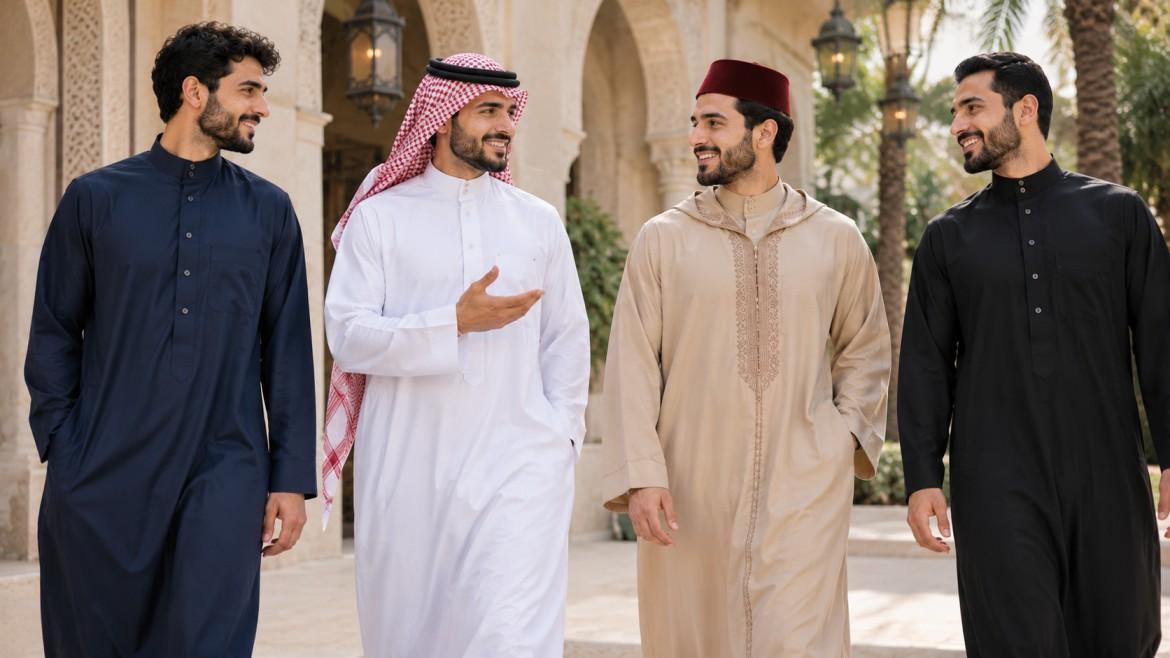

Some clothing styles remain popular because they are practical, comfortable, and connected to tradition. The thobe is a good example. Worn by Muslim men in many parts of the world, it is recognised for its long silhouette, modest design, and versatility.
Although the basic idea is similar, thobes do not look the same everywhere. A traditional garment worn in Saudi Arabia may have a different collar, cut, or finishing from one worn in Morocco or other parts of the Middle East and North Africa.
Today, the thobe for men is worn for many occasions, from daily prayers and family gatherings to weddings and religious celebrations. Modern designs also offer more choices in fabric, colour, and fit.
Let's take a closer look at what makes this traditional garment distinctive and how to choose a style that suits your needs.
What Is a Thobe?
A thobe is a long, loose-fitting garment traditionally worn by men in several Muslim-majority regions. It generally extends from the shoulders towards the ankles and is designed to provide modest coverage.
The garment is also known by different names depending on the region. In Saudi Arabia and several Gulf countries, it is commonly called a thobe or thawb. In other places, similar garments may be known as a dishdasha or kandura.
Despite these regional differences, the purpose is often similar: to provide comfortable, modest clothing that can be worn in everyday life as well as on special occasions.
A traditional thobe may feature:
-
A long, straight or slightly relaxed silhouette.
-
Full-length sleeves.
-
A simple neckline or structured collar.
-
Front buttons or a decorative placket in some designs.
-
Lightweight or medium-weight fabric, depending on the climate and purpose.
The exact design varies between manufacturers and regional traditions.
Popular Types of Thobes Worn by Men
One interesting thing about thobes is how their appearance changes across different regions. Small details such as collars, embroidery, fabric, and headwear can give each style its own character.
Saudi Arabian Thobe
The Saudi Arabian thobe is one of the most recognisable styles. It is commonly designed with a clean, structured appearance, a collar, and a front button placket. Some designs also feature a chest pocket and carefully finished cuffs.
White is a popular colour, particularly for everyday and warm-weather wear, although other colours are also available.
A Saudi Arabian thobe can be worn for daily activities, Friday prayers, religious gatherings, and formal occasions. Its simple appearance makes it easy to pair with traditional sandals or other suitable footwear.
Emirati Kandura
The Emirati kandura is a traditional long garment worn by men in the United Arab Emirates. It is often recognised by its collarless neckline and the decorative tassel, known as a tarboosh, found on many designs.
Its cut and finishing can differ from the typical Saudi thobe. White is a familiar choice, but kanduras are also made in other colours, particularly for different seasons and occasions.
Omani Dishdasha
The Omani dishdasha has its own distinctive appearance. One detail often associated with this style is the decorative tassel, called a furakha, which hangs near the neckline.
Omani dishdashas may also feature subtle embroidery or decorative finishing. Their designs reflect local clothing traditions and can vary depending on the region and occasion.
Moroccan Thobe
The term Moroccan thobe is often used by online clothing stores to describe Moroccan-inspired men's traditional garments. However, Moroccan clothing has its own distinct history and should not simply be treated as another version of the Gulf thobe.
One of the best-known Moroccan garments is the djellaba, a long, loose-fitting robe traditionally associated with a hood. Another important garment is the gandora, which is generally a lighter, often collarless robe.
Moroccan garments may feature decorative embroidery, distinctive necklines, and regional details. If you are shopping for a Moroccan thobe, check the actual garment design and description because the term can be used differently by individual sellers.
Which Fabric Is Commonly Used for Men's Thobes?
Fabric plays an important role in how a thobe feels and looks. A design may appear attractive on a product page, but the material determines much of its comfort, drape, and maintenance requirements.
Here are some common fabric choices:
| Fabric | Main characteristics | Considerations |
|---|---|---|
| Cotton | Soft and moisture-absorbent | Can wrinkle and shrink |
| Polyester | Durable and wrinkle-resistant | May feel less breathable |
| Viscose | Smooth with a flowing drape | Requires careful washing |
| Linen | Breathable with a natural texture | Wrinkles easily |
| Cotton-polyester blend | Combines properties of both fibres | Performance depends on blend ratio |
For hot weather, lightweight cotton and linen are worth considering. If easy maintenance is more important, polyester or a suitable blended fabric may be a better fit.
There is no single best material for everyone. The right choice depends on your climate, routine, and personal preference.
When Do Men Wear Thobes?
Thobes are not limited to one particular occasion. Their simple design makes them suitable for different settings, although the fabric and styling may change depending on where they are worn.
Daily wear: Many men choose a simple, comfortable thobe for everyday activities, including spending time with family, visiting local shops, and attending prayers.
Friday prayers: A clean and neatly pressed thobe is a popular choice for Jumu'ah prayers. Some men prefer white, while others choose different colours.
Ramadan: During Ramadan, thobes are commonly worn for evening prayers, mosque visits, and family gatherings.
Eid celebrations: Eid is an occasion when many men choose a fresh outfit. A well-fitted thobe in white, cream, beige, or another preferred colour can create a neat traditional look.
Weddings and formal gatherings: More detailed designs, refined fabrics, and carefully finished garments may be preferred for formal events.
How to Choose the Right Thobe for Men
Buying a thobe is not only about choosing a colour. The fit, fabric, and construction all affect how it looks and feels.
Here are some practical points to check before making a purchase.
Pay Attention to the Length
A thobe should have a suitable length for your height and preferred style. Check the garment measurements rather than relying only on general size labels.
Check the Shoulder and Sleeve Fit
The shoulder seams should sit comfortably, and the sleeves should allow natural movement. A garment that is too tight around the shoulders or arms can become uncomfortable during everyday activities.
Select a Suitable Fabric
Consider the weather and how frequently you plan to wear the thobe. Lightweight materials can be useful in warm conditions, while other fabrics may offer a more structured appearance.
Choose a Colour That Matches Your Routine
White is a classic option, but black, beige, grey, blue, and brown are also popular choices. Think about how easily you can maintain the colour and where you intend to wear the garment.
Examine the Finishing
Check the buttons, stitching, collar, cuffs, and seams. These details can tell you a lot about the garment's construction.
How to Style a Traditional Thobe
A thobe does not require complicated styling. In many cases, keeping the outfit simple works best.
-
With a kufi: A simple white or neutral-coloured kufi can complement a traditional thobe.
-
With sandals: Traditional sandals or clean, understated footwear can complete the outfit.
-
With a bisht: For formal occasions, some men wear a bisht over their thobe. This is a traditional outer cloak often associated with formal and ceremonial dress in parts of the Gulf.
-
With a suitable watch: A simple watch can add a subtle modern touch without making the outfit look overly decorative.
The key is to choose accessories that complement the garment rather than distract from it.
How to Care for Your Thobe
Proper care helps maintain the fabric, colour, and overall appearance of your garment. However, washing requirements differ depending on the material.
A few general practices can help:
-
Read the care label before washing.
-
Separate white garments from darker colours.
-
Use a suitable detergent and washing temperature.
-
Avoid excessive heat when drying.
-
Iron at the temperature recommended for the fabric.
-
Store clean, dry thobes on suitable hangers to reduce creasing.
For delicate materials such as viscose, follow the manufacturer's instructions carefully. Not every thobe should be washed in the same way.
Final Thoughts
The thobe is more than a simple long garment. It reflects clothing traditions across different regions while continuing to serve practical needs in modern everyday life.
From the structured Saudi Arabian thobe to the distinctive garments associated with Morocco, each style has its own design details and cultural background. Fabric, fit, colour, and finishing also make a difference when choosing the right garment.
Whether you are buying your first thobe for men or adding another style to your wardrobe, take time to compare the design and material before making a decision.
If you are exploring traditional and modern styles, visit Shannoh's men's thobe collection to browse available designs, colours, and sizes.
