

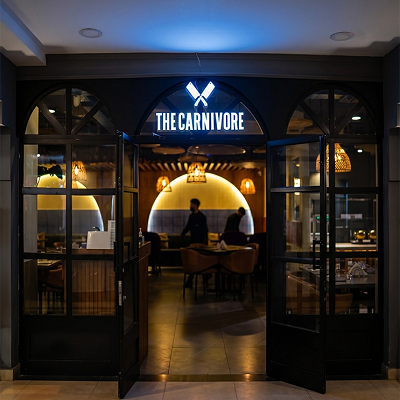

Saudi Arabia is widely recognised for its traditional meat-based dishes, including kabsa, mandi, and grilled lamb. However, the country's dining scene has become increasingly diverse, offering a growing selection of vegetarian-friendly meals for residents, tourists, and people following plant-based lifestyles. From traditional vegetable dishes and fresh salads to international vegetarian cuisine, customers can discover plenty of meat-free options across the country.
For anyone exploring local dining options, finding a suitable Restaurant in Saudi Arabia can be an enjoyable way to experience the country's evolving food culture. Many restaurants now recognise the importance of offering menu choices that accommodate different dietary preferences. Whether someone follows a vegetarian diet for health reasons, personal beliefs, environmental concerns, or simply a preference for plant-based food, Saudi Arabia provides a variety of dining experiences worth exploring.
Vegetarian-friendly dining is no longer limited to specialised restaurants. Traditional establishments, international dining venues, and modern cafés increasingly offer dishes prepared with vegetables, legumes, grains, and other meat-free ingredients. Understanding these options can help customers make informed choices while enjoying the country's rich culinary traditions.
1. The Growing Popularity of Vegetarian Dining in Saudi Arabia
Vegetarian dining has gained greater visibility in Saudi Arabia as food preferences and lifestyles continue to evolve. More customers are interested in meals that include fresh vegetables, whole grains, legumes, and plant-based ingredients. This growing interest has encouraged restaurants to expand their menus and introduce alternatives for customers who prefer not to eat meat.
Several factors contribute to this change.
Health-conscious eating: Many individuals are becoming more aware of how everyday food choices influence overall well-being. Plant-based meals can provide dietary fibre, vitamins, minerals, and beneficial plant compounds when prepared with a variety of nutritious ingredients.
Changing customer preferences: Modern diners often look for restaurants that accommodate different dietary requirements. Vegetarian options make it easier for groups with varied food preferences to enjoy meals together.
International food influences: Saudi Arabia welcomes visitors and residents from different cultural backgrounds. International cuisines have introduced a wider range of vegetarian dishes, including Indian curries, Mediterranean salads, Italian pasta, and Asian vegetable-based meals.
Lifestyle choices: Some customers choose vegetarian food because of personal values, environmental considerations, or a desire to reduce their consumption of animal products.
As a result, vegetarian-friendly dining has become an increasingly relevant part of the country's restaurant industry.
2. Traditional Saudi Dishes That Vegetarians Can Enjoy
Saudi cuisine is often associated with meat and rice, but its traditional food culture also includes several naturally vegetarian dishes and ingredients. Customers interested in local flavours can discover meat-free options without missing out on the country's culinary heritage.
Some traditional and commonly available choices include:
-
Foul Medames: A popular dish prepared using cooked fava beans, often seasoned with olive oil, lemon, garlic, and spices. It is commonly enjoyed for breakfast.
-
Hummus: A creamy preparation made from chickpeas, tahini, lemon juice, and garlic. It is frequently served with bread or vegetables.
-
Falafel: Deep-fried patties or balls made from ground chickpeas or fava beans, herbs, and spices.
-
Tabbouleh: A refreshing salad featuring parsley, tomatoes, bulgur, lemon juice, and olive oil.
-
Mutabbal: A smoky aubergine-based dip usually prepared with tahini, lemon, and garlic.
-
Vegetable rice: Rice cooked with vegetables and seasonings, although customers should confirm that the preparation does not include meat or animal-based stock.
Fresh dates, traditional breads, lentil preparations, and vegetable-based side dishes can also provide additional choices.
These foods demonstrate that vegetarian dining can be part of the traditional Saudi food experience. However, recipes differ between restaurants, so customers should always check whether a dish contains meat stock, animal fats, or other non-vegetarian ingredients.
3. Different Types of Vegetarian-Friendly Restaurants Available
One of the advantages of dining in Saudi Arabia is the variety of restaurant styles available. Vegetarian customers do not necessarily need to visit exclusively vegetarian establishments because many restaurants offer meat-free dishes alongside their regular menus.
Indian Restaurants
Indian cuisine is particularly useful for vegetarian diners because it includes a wide selection of vegetable-based preparations. Options may include lentil dal, vegetable biryani, chickpea curry, paneer dishes, and vegetable-based appetisers.
However, customers should check whether a preparation contains meat stock, fish-based ingredients, or other animal-derived products.
Mediterranean Restaurants
Mediterranean dining offers several naturally vegetarian choices. Hummus, falafel, tabbouleh, fattoush, grilled vegetables, and lentil soup are common examples.
These dishes can provide a combination of vegetables, legumes, healthy fats, and dietary fibre.
Italian Restaurants
Italian restaurants frequently offer vegetarian pasta, vegetable pizza, tomato-based sauces, risotto, and salads. Customers can often request modifications to remove meat-based ingredients.
It is important to check whether pasta sauces contain meat stock or whether cheese is made using vegetarian-friendly ingredients.
Asian Restaurants
Many Asian restaurants serve vegetable noodles, tofu-based dishes, vegetable sushi, rice preparations, and stir-fried vegetables.
Customers following strict vegetarian diets should confirm that sauces and broths do not contain fish, seafood, or meat-derived ingredients.
Modern Cafés and Healthy Dining Venues
Modern cafés often provide salads, avocado toast, vegetable sandwiches, smoothie bowls, and plant-based breakfast options. These choices can be convenient for people looking for lighter meals or quick vegetarian dining.
The variety of restaurant styles makes it easier for customers to explore different cuisines while maintaining their preferred dietary habits.
4. Health Benefits of Choosing Vegetarian Meals
Vegetarian dining can offer several potential health benefits when meals are planned around a good variety of nutritious ingredients. A balanced vegetarian diet can include vegetables, fruits, legumes, nuts, seeds, and whole grains.
Each food group contributes different nutrients that support normal body functions.
Better Fibre Intake
Vegetables, beans, lentils, fruits, and whole grains are valuable sources of dietary fibre. Fibre supports digestive health, contributes to regular bowel movements, and helps maintain a feeling of fullness after meals.
Heart Health Support
A diet that includes vegetables, legumes, nuts, seeds, and whole grains can support cardiovascular health. These foods provide fibre and beneficial nutrients while helping individuals build balanced eating habits.
Weight Management
Many plant-based ingredients have a high water and fibre content, which can help promote fullness. Choosing appropriate portions and limiting heavily fried foods can support healthy weight-management goals.
Essential Vitamins and Minerals
Vegetarian meals can provide important nutrients, including vitamin C, folate, potassium, magnesium, and various antioxidants.
Different coloured fruits and vegetables offer different beneficial plant compounds, making dietary variety particularly important.
Digestive Health
Legumes, vegetables, and whole grains contain fibre that supports a healthy digestive system. Gradually increasing fibre intake and drinking sufficient water can help the body adjust to a more fibre-rich eating pattern.
Although vegetarian diets can be nutritious, they require thoughtful planning. Certain nutrients, including vitamin B12, iron, calcium, iodine, vitamin D, and omega-3 fatty acids, may require particular attention depending on the foods consumed.
People following fully plant-based diets should consider reliable sources of these nutrients and seek qualified nutritional guidance when necessary.
5. How to Find the Right Vegetarian-Friendly Restaurant in Saudi Arabia
Finding a restaurant that offers suitable vegetarian meals becomes easier when customers know what to look for. A restaurant may advertise vegetarian dishes, but the actual ingredients and preparation methods are equally important.
The following considerations can help customers make better dining decisions.
Check the Menu Before Visiting
Many restaurants provide online menus that allow customers to review available dishes before arriving. Looking for vegetarian sections, vegetable-based main courses, salads, and plant-based alternatives can save time.
Ask About Food Preparation
A dish may appear vegetarian but still contain chicken stock, meat broth, animal fat, or fish-based seasoning. Asking restaurant staff about preparation methods helps avoid unwanted ingredients.
Look for Customisable Meals
Restaurants that allow customers to substitute ingredients or adjust dishes can be particularly convenient. For example, a vegetable-based pasta dish may be prepared without meat, while a salad can be served without animal-based dressing.
Consider Food Hygiene
Clean food preparation areas, proper ingredient storage, and hygienic food-handling practices are essential when selecting any restaurant. Fresh ingredients should be handled and stored appropriately.
Review Dietary Information
Customers with food allergies or intolerances should check ingredient details carefully. Common allergens such as nuts, dairy, soy, sesame, and gluten may appear in vegetarian dishes.
Consider Location and Convenience
Restaurant location, seating arrangements, opening hours, and takeaway availability can also influence the dining experience. These details are particularly useful for tourists and people with busy schedules.
Taking these steps can help vegetarian customers enjoy meals with greater confidence and comfort.
6. Tips for Enjoying a Balanced Vegetarian Dining Experience
A vegetarian restaurant visit can be both enjoyable and nutritious when customers make thoughtful food selections. Rather than focusing on eliminating meat alone, a balanced meal should include different food groups and a suitable combination of nutrients.
Here are some practical suggestions:
-
Include protein-rich foods: Lentils, chickpeas, beans, tofu, and other legumes can help provide plant-based protein.
-
Choose whole grains: Brown rice, whole-wheat bread, and other whole grains provide fibre and additional nutrients.
-
Add colourful vegetables: Different vegetables contribute vitamins, minerals, and beneficial plant compounds.
-
Include healthy fats: Nuts, seeds, olive oil, and avocado can contribute beneficial unsaturated fats.
-
Be mindful of fried foods: Vegetarian dishes can still contain considerable amounts of oil, salt, or calories when deep-fried or heavily processed.
-
Choose suitable beverages: Water and unsweetened drinks are practical options alongside meals.
-
Maintain portion awareness: Balanced portions can help prevent excessive calorie intake while ensuring adequate nutrition.
Vegetarian dining should also remain enjoyable. Trying unfamiliar dishes, exploring different regional cuisines, and sharing meals with family or friends can make the experience more interesting.
For individuals with specific nutritional requirements, a personalised dietary approach may be beneficial. People with conditions requiring dietary restrictions should consider professional guidance before making significant changes to their eating habits.
Frequently Asked Questions
1. Are there vegetarian-friendly restaurants in Saudi Arabia?
Yes, Saudi Arabia offers a variety of vegetarian-friendly dining options. Many traditional restaurants, international establishments, cafés, and modern dining venues serve meat-free dishes, including salads, lentils, vegetable curries, hummus, falafel, and plant-based meals.
2. What traditional Saudi foods are suitable for vegetarians?
Some commonly available vegetarian-friendly options include foul medames, hummus, mutabbal, tabbouleh, falafel, and certain vegetable-based rice dishes. However, ingredients and preparation methods vary, so customers should confirm that no meat stock or animal-based ingredients are used.
3. Is vegetarian food healthy?
A well-planned vegetarian diet can be very nutritious. It can provide dietary fibre, vitamins, minerals, antioxidants, and plant-based protein. Including a variety of vegetables, fruits, legumes, nuts, seeds, and whole grains supports a balanced eating pattern.
4. Can vegetarians find protein-rich meals in Saudi Arabia?
Yes, several foods provide plant-based protein, including lentils, chickpeas, beans, tofu, nuts, and seeds. Indian, Mediterranean, and Asian restaurants often offer dishes containing these ingredients.
5. What should strict vegetarians check before ordering food?
Strict vegetarians should ask about meat stock, animal fats, fish-based sauces, gelatin, and other animal-derived ingredients. They should also check whether cooking equipment and preparation areas are shared with meat products if cross-contact is a concern.
6. Are vegan and vegetarian food options the same?
No. Vegetarian diets generally exclude meat and seafood but may include dairy products and eggs. Vegan diets exclude all animal-derived foods, including dairy, eggs, honey, and other animal-based ingredients. Customers should communicate their dietary requirements clearly when ordering.
Conclusion
Vegetarian-friendly dining in Saudi Arabia has become increasingly accessible as restaurants respond to changing customer preferences and diverse dietary lifestyles. Although traditional Saudi cuisine is widely associated with meat-based dishes, it also includes several vegetable-based foods, legumes, salads, and other meat-free preparations.
From traditional Arabian favourites to Indian, Mediterranean, Italian, and Asian cuisines, customers can explore a wide range of vegetarian options throughout the country's dining scene.
For health-conscious individuals, choosing meals with vegetables, whole grains, legumes, and suitable plant-based proteins can support a balanced diet. Checking ingredients, understanding food preparation methods, and selecting restaurants with clear dietary information can make dining more convenient.
Ultimately, Saudi Arabia's growing variety of vegetarian-friendly restaurants demonstrates that traditional food culture and modern dietary preferences can comfortably coexist. Whether someone is a long-term vegetarian or simply interested in enjoying more plant-based meals, the country's diverse culinary scene offers plenty of opportunities to discover satisfying and flavourful food.
