

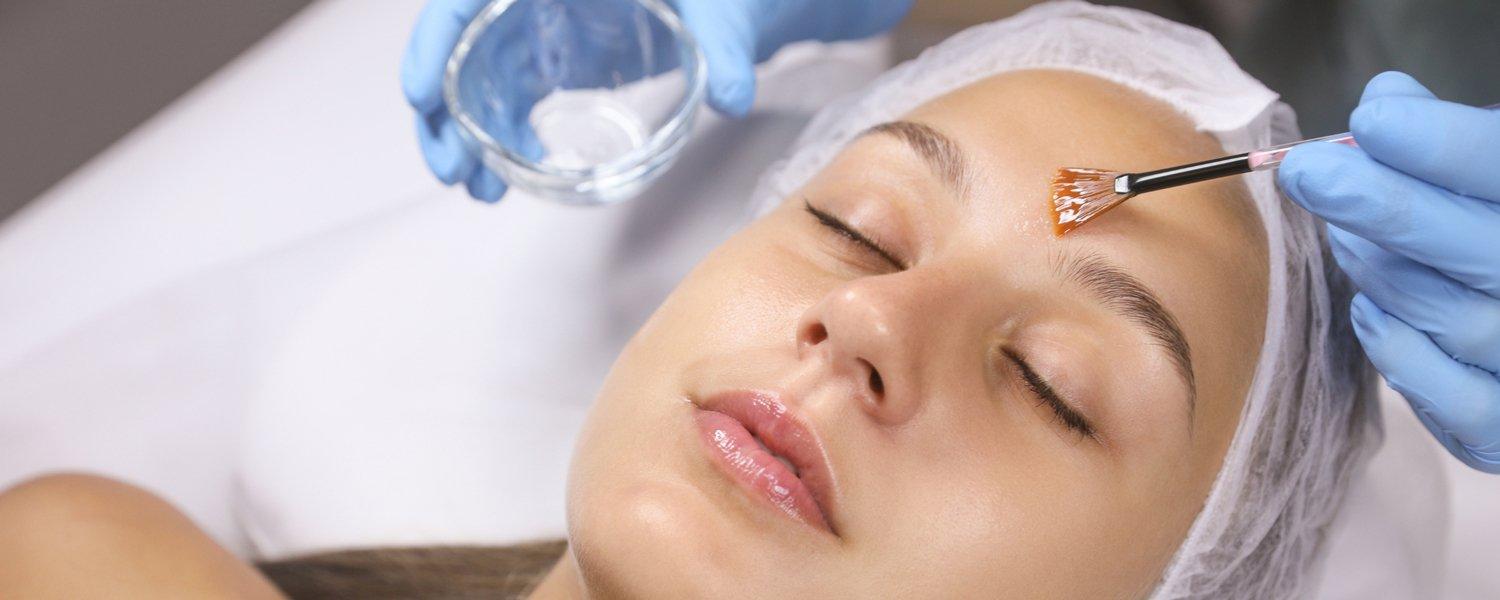

Chemical peels are popular skin treatments designed to improve texture, brighten the complexion, and address concerns such as uneven skin tone, acne marks, and sun damage. However, not all chemical peels work in the same way. Their effects depend on the type of chemical solution, its concentration, and how deeply it penetrates the skin.
Understanding how skin reacts to different Chemical peel in Dubai strengths can help individuals make informed decisions before treatment. From mild exfoliation to deeper skin renewal, each peel has different effects, recovery requirements, and suitability considerations.
What Determines the Strength of a Chemical Peel?
Chemical peel strength is influenced by several factors, including the type of acid used, its concentration, pH level, and formulation. Common ingredients include glycolic acid, lactic acid, salicylic acid, and trichloroacetic acid (TCA).
These ingredients work by loosening the bonds between dead skin cells, encouraging exfoliation and supporting the natural skin renewal process.
The strength of a peel also determines how deeply it affects the skin. Some treatments target the outermost skin layer, while others reach deeper layers to address more noticeable skin concerns.
Importantly, a higher concentration does not automatically mean better results. The appropriate peel depends on individual skin condition, treatment goals, and tolerance.
How Does Skin React to Superficial Chemical Peels?
Superficial chemical peels are considered the mildest type of chemical peel. They mainly target the epidermis, which is the outermost layer of the skin.
These treatments commonly use alpha-hydroxy acids (AHAs), such as glycolic acid and lactic acid, or beta-hydroxy acids (BHAs), such as salicylic acid.
Common skin reactions include:
-
Mild redness or temporary sensitivity.
-
Slight tingling during treatment.
-
Light dryness or flaking.
-
Gradual improvement in skin brightness.
-
A smoother and more refined skin texture.
Superficial peels are often considered for mild pigmentation, dullness, uneven texture, and certain types of acne-related concerns.
Recovery is generally shorter than with stronger peels, although individual reactions can vary. Some people experience very little visible peeling, while others notice mild flaking over the following days.
What Happens After a Medium-Strength Chemical Peel?
Medium-depth chemical peels affect the epidermis and extend into the upper part of the dermis. They are designed to address more noticeable skin concerns than superficial treatments.
TCA is one ingredient commonly used in medium-depth chemical peels.
Because these treatments reach deeper skin layers, the reaction can be more noticeable.
Possible skin reactions include:
-
Redness and swelling.
-
A temporary burning or stinging sensation.
-
Visible skin peeling over several days.
-
Increased sensitivity during recovery.
-
Temporary changes in skin colour as the skin heals.
Medium-depth peels may be considered for certain types of acne scars, sun-related pigmentation, and more established uneven skin texture.
The recovery period is usually longer than with superficial peels. Proper aftercare and professional monitoring are particularly important to reduce the risk of complications, including infection, scarring, and post-inflammatory hyperpigmentation.
How Does Skin Respond to Deep Chemical Peels?
Deep chemical peels penetrate further into the skin and produce more intensive changes. Phenol-based formulations are examples of deep chemical peels used in selected clinical situations.
These treatments can address certain deeper wrinkles, significant sun damage, and pronounced skin changes. However, they are not suitable for everyone and require careful medical evaluation.
Potential reactions include:
-
Significant redness and swelling.
-
More extensive skin peeling.
-
Crusting during the healing process.
-
Temporary discomfort and tightness.
-
A longer recovery period.
-
Increased sensitivity to sunlight.
Deep chemical peels carry greater risks than superficial treatments. These may include scarring, infection, pigmentation changes, and other complications. Some phenol-based treatments also require monitoring for potential heart, kidney, and liver effects.
For these reasons, deep peels require specialist assessment, appropriate medical supervision, and careful patient selection.
Why Do Different Skin Types React Differently?
Two individuals receiving the same chemical peel may experience different reactions. Skin type, sensitivity, pigmentation, existing skin conditions, and previous treatments can all influence the response.
For example, sensitive skin may react with greater redness or irritation, while individuals with darker skin tones may have a higher risk of developing post-inflammatory hyperpigmentation after certain peels.
Other factors that can influence treatment response include:
-
Existing acne or skin inflammation.
-
A weakened or damaged skin barrier.
-
Recent sun exposure.
-
Use of exfoliating skincare products.
-
Previous cosmetic treatments.
-
Certain medications and underlying skin conditions.
This is why selecting a chemical peel based only on its strength or popularity is not recommended.
How Can You Support Your Skin During Recovery?
Aftercare plays an important role in helping the skin recover following a chemical peel. The exact instructions depend on the treatment depth and individual response.
Some general recommendations include:
-
Use a gentle cleanser recommended by your skincare professional.
-
Apply an appropriate moisturiser to support skin hydration.
-
Use broad-spectrum SPF 30 or higher and limit direct sun exposure.
-
Avoid picking, scratching, or manually removing peeling skin.
-
Temporarily avoid retinoids, exfoliating acids, and harsh skincare products as directed.
-
Follow the recommended recovery schedule.
If you experience severe pain, blistering, increasing swelling, signs of infection, or unexpected skin changes, contact your treating healthcare professional.
Chemical Peel Treatment at Tajmeels Clinic
At tajmeels clinic dubai, chemical peel treatment planning should consider individual skin concerns, skin sensitivity, pigmentation, and overall skin condition. A professional assessment helps determine whether a superficial, medium-depth, or another suitable skincare approach is appropriate.
Patients can discuss concerns such as dullness, uneven skin tone, acne marks, and rough texture during their consultation. Understanding the expected skin response, possible side effects, recovery requirements, and aftercare recommendations is an important part of making an informed treatment decision.
The aim of personalised planning is to select an appropriate treatment approach rather than automatically choosing a stronger peel.
Conclusion
Different chemical peel strengths produce different reactions because they affect different layers of the skin. Superficial peels generally involve mild exfoliation, medium-depth peels create more noticeable peeling and recovery, while deep peels involve more intensive skin changes and greater risks.
Understanding these differences helps individuals set realistic expectations and make informed skincare decisions. A professional skin assessment is essential for determining the most appropriate treatment based on individual needs and skin characteristics.
More Information
Tajmeels Clinic Dubai
WhatsApp: +971 56 203 8751
Phone: tel:+971 43739000
Social Media:
