

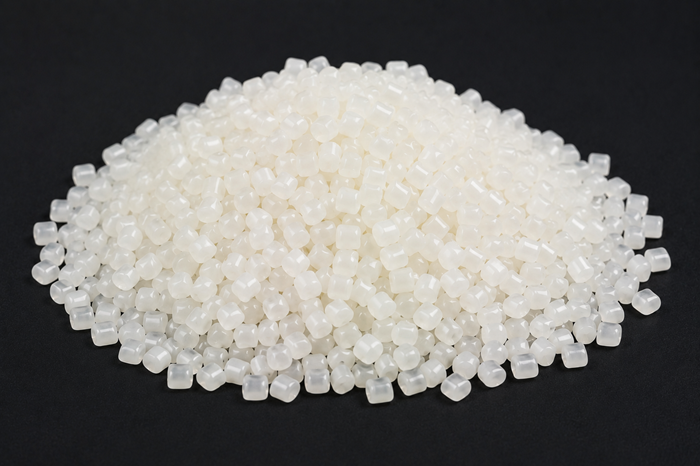

The Polylactic Acid Price Trend remained largely stable across major global markets during Q3 2026, showing a different pattern compared to conventional petroleum-based plastics.
While several petrochemical polymers experienced noticeable price changes due to crude oil movements, feedstock costs, and geopolitical uncertainty, the PLA market maintained a relatively narrow price range.
Prices across the tracked markets moved between 0% and 4%, reflecting a balanced supply situation and moderate buying activity.
Please Submit Your Query For Polylactic Acid Price Trend, Market Analysis and Forecast: https://www.price-watch.ai/book-a-demo/
One of the main reasons behind this stability is the different raw material base used to manufacture Polylactic Acid (PLA).
Unlike conventional plastics that depend heavily on crude oil and natural gas derivatives, PLA is produced using renewable agricultural feedstocks such as corn and sugarcane.
These materials are processed into lactic acid, which is then used to manufacture PLA resin. As a result, changes in crude oil prices have a more limited direct impact on PLA production costs.
During Q3 2026, the global market benefited from relatively stable corn-based lactic acid costs and comfortable product availability. Although higher energy and transportation expenses created some cost pressure for producers, subdued demand from packaging and food service applications prevented significant price increases.
Global Polylactic Acid Market Overview in Q3 2026
The global Polylactic Acid market experienced a relatively calm quarter in Q3 2026. Prices remained mostly unchanged in North America, while Europe and Asia recorded small increases of approximately 1% to 2%. This limited movement reflected a market where production availability and purchasing requirements remained closely balanced.
Compared with Q2 2026, when geopolitical developments and higher energy costs created uncertainty across the wider chemical industry, the PLA market showed greater resistance to sudden price movements. Its dependence on agricultural feedstocks helped reduce its exposure to the volatility seen in petroleum-based polymers.
Producers generally maintained stable offers because raw material costs did not experience major fluctuations. At the same time, buyers avoided building excessive inventories and continued purchasing according to their immediate requirements. This combination prevented both significant price increases and sharp declines.
Another important factor was the availability of PLA in major producing and consuming regions. Comfortable inventories allowed suppliers to meet regular customer requirements without creating additional pressure on the market. As a result, the global PLA market remained balanced throughout most of the quarter.
Polylactic Acid Prices in the USA
The Polylactic Acid Prices in the USA remained unchanged during Q3 2026. The market showed limited movement because stable corn-based lactic acid costs and sufficient domestic supply supported production and kept selling offers within a narrow range.
In the United States, PLA producers benefited from relatively steady agricultural feedstock expenses. Since corn is an important raw material for producing lactic acid, stable corn prices helped manufacturers maintain predictable production costs. This reduced the need for frequent price adjustments during the quarter.
However, demand from packaging manufacturers and food service converters remained subdued. These industries use PLA in applications such as disposable food containers, cups, films, and other packaging products. Although interest in sustainable materials continued, actual purchasing activity was not strong enough to create significant upward pressure on prices.
Comfortable inventories also played an important role. Suppliers had sufficient material available to fulfil regular orders, while buyers preferred to purchase according to their immediate production requirements rather than increase their stock levels.
Higher energy and freight expenses created some additional pressure on producers. However, these costs were largely balanced by stable feedstock expenses and adequate product availability.
In September 2026, PLA prices in the USA remained steady compared with August 2026. Export inquiries also remained moderate, indicating that international demand was not strong enough to change the domestic supply-demand balance.
Overall, the American PLA market remained stable throughout Q3 2026, with no major supply shortages or demand-driven price increases.
Polylactic Acid Prices in Europe
The European PLA market recorded a mild upward movement during Q3 2026, with prices increasing by approximately 1% to 2%. This moderate improvement reflected slightly higher operating and logistics expenses rather than a major change in market demand.
Europe has continued to show interest in biodegradable and bio-based materials because manufacturers are looking for alternatives to conventional plastics. PLA is used in food packaging, agricultural films, disposable products, and selected consumer applications. However, the pace of demand growth remained moderate during the quarter.
Higher energy expenses and transportation costs created some additional pressure on suppliers. Manufacturing and distribution costs remained important considerations for market participants, particularly when moving material across different European countries.
Despite these cost pressures, the market did not experience a significant shortage of material. Supply remained sufficient to meet regular requirements, which limited the possibility of stronger price increases.
Buyers also remained careful with their purchasing decisions. Many converters preferred to maintain manageable inventories instead of purchasing large quantities in advance. This purchasing behaviour prevented suppliers from gaining substantial pricing power.
As a result, the European market recorded only modest gains, while overall trading conditions remained relatively balanced.
Polylactic Acid Prices in Asia
Asian PLA prices also recorded moderate gains of approximately 1% to 2% during Q3 2026. The market remained relatively stable because feedstock costs and product availability did not experience major changes.
Asia plays an important role in the global production and consumption of bio-based plastics. PLA demand is connected to food packaging, consumer goods, disposable products, and other applications where manufacturers are exploring alternatives to conventional plastics.
During Q3 2026, buyers maintained a cautious approach. Although there was continued interest in sustainable packaging materials, purchasing activity remained moderate. Many manufacturers focused on managing existing inventories and avoiding unnecessary stock accumulation.
Stable agricultural feedstock costs helped producers maintain their offers. However, energy expenses, transportation charges, and international freight conditions continued to influence the overall cost of supplying PLA to different markets.
The limited increase in prices indicated that suppliers were able to pass on some additional costs without creating major resistance from buyers. Nevertheless, demand was not strong enough to support a larger upward movement.
Overall, Asian PLA prices remained within a narrow range, showing that the regional market continued to operate under balanced supply-demand conditions.
Polylactic Acid Price Chart: Understanding Q3 2026 Movements
The Polylactic Acid Price Chart for Q3 2026 highlights the comparatively stable performance of PLA across major international markets. Unlike petroleum-based polymers, which experienced greater price fluctuations during the quarter, PLA recorded only minor changes.
The United States and Canada maintained broadly unchanged prices, while Europe and Asia experienced small increases of around 1% to 2%. Across all tracked markets, price movements remained within a limited range of approximately 0% to 4%.
This performance can be understood through three important market factors.
First, feedstock stability supported producers. Corn and sugarcane-based lactic acid remained relatively stable, helping manufacturers manage their production expenses. Since PLA is not directly dependent on crude oil-based feedstocks, it did not follow the same price movements as conventional plastics.
Second, sufficient supply reduced upward pressure. Producers and distributors had comfortable inventories, which allowed them to fulfil customer orders without facing major shortages.
Third, demand remained moderate. Packaging and food service manufacturers continued to purchase PLA, but their buying activity was not strong enough to create a significant supply-demand imbalance.
The September price movement further confirmed this stable market condition. The Polylactic Acid Price Index remained unchanged, indicating that higher logistics and energy expenses were largely offset by available supply and limited demand.
Polylactic Acid Price Index: Key Factors Behind Market Stability
The Polylactic Acid Price Index remained broadly unchanged in September 2026, reflecting the balanced conditions observed throughout the quarter.
One of the strongest supporting factors was the stability of agricultural feedstocks. Corn and sugarcane are important starting materials in the PLA production process. When their prices remain steady, manufacturers can manage raw material expenses more effectively and avoid sudden changes in selling offers.
Another important factor was production availability. Comfortable inventories across major markets reduced concerns about immediate supply shortages. Buyers had sufficient options to fulfil their requirements, which prevented suppliers from increasing prices significantly.
Demand also played an important role. Packaging and food service converters continued to use PLA, but purchasing activity remained relatively subdued. Many customers preferred smaller and more frequent purchases rather than maintaining large inventories.
Energy and logistics expenses were another part of the market equation. Higher transportation and operating costs generally create pressure on suppliers. However, in Q3 2026, these expenses were balanced by stable raw material costs and sufficient product availability.
The combination of these factors kept the index within a narrow range and prevented major price fluctuations.
What Is Driving Demand for Polylactic Acid?
The demand for PLA is closely connected to the growing interest in sustainable materials. Manufacturers in different industries are exploring bio-based alternatives to conventional plastics as environmental considerations become more important in product development and packaging decisions.
Food packaging remains one of the important application areas for PLA. It is used in selected cups, containers, films, and disposable food service products. Its bio-based origin makes it attractive to businesses looking to reduce their dependence on fossil-based raw materials.
The packaging industry is also an important source of future demand. Consumer brands and packaging converters are increasingly evaluating materials that can support their sustainability objectives.
Agriculture represents another potential area of application. Certain PLA-based products are being explored for agricultural films and other specialised uses. However, the commercial suitability of PLA depends on product performance, cost, and the conditions under which the material is used.
Despite these opportunities, demand growth is not always immediate. PLA can face competition from conventional plastics and other bio-based materials. Its adoption also depends on processing requirements, product specifications, availability, and the cost difference compared with alternative materials.
These factors explain why the market can show long-term growth potential while experiencing relatively quiet price movements in the short term.
Polylactic Acid Price Forecast: What to Expect Ahead
The Polylactic Acid price outlook will largely depend on agricultural feedstock costs, production availability, energy expenses, and demand from packaging and food service industries.
If corn and sugarcane-based lactic acid costs remain stable, producers may continue to maintain relatively predictable selling prices. Comfortable inventories could also prevent sudden increases, particularly if buyers continue following a need-based purchasing approach.
However, higher energy and transportation expenses may create some upward cost pressure. If freight rates increase or logistics become more difficult, suppliers could attempt to adjust their offers to protect operating margins.
Demand will remain another important factor to monitor. Stronger orders from packaging manufacturers and food service converters could improve market sentiment and support modest price increases. On the other hand, weak purchasing activity and sufficient inventories may keep prices largely stable.
Regional differences will also remain important. Europe and Asia may experience different price movements depending on local production conditions, import requirements, and manufacturing expenses. North American prices may continue to benefit from domestic supply availability, provided that feedstock and operating costs remain manageable.
Overall, the market outlook suggests that PLA prices may continue to show relatively limited movements unless there is a major change in raw material costs, production conditions, or end-user demand.
Conclusion
The global Polylactic Acid Price Trend remained largely stable during Q3 2026, with prices moving within a narrow range of 0% to 4% across tracked markets. Europe and Asia recorded mild increases of approximately 1% to 2%, while the USA and Canada remained broadly unchanged.
The main reason behind this stability was PLA's dependence on renewable agricultural feedstocks rather than crude oil-based raw materials. Stable corn-based lactic acid costs, sufficient inventories, and moderate demand helped prevent major price fluctuations.
In September 2026, the Polylactic Acid Price Index remained unchanged as higher energy and logistics expenses were balanced by comfortable supply and subdued buying activity.
Looking ahead, feedstock availability, packaging demand, transportation costs, and production conditions will remain important factors influencing the market. While PLA continues to benefit from growing interest in sustainable materials, its short-term price direction will depend on how effectively supply and demand remain balanced across major global markets.
Please Submit Your Query For Polylactic Acid Price Trend, Market Analysis and Forecast: https://www.price-watch.ai/book-a-demo/
About Price Watch™
Price Watch™ is an India-based, independent raw material price reporting agency that provides real-time price forecasts and data-driven insights into global raw material markets. Price Watch™ specializes in tracking raw material prices, analyzing market trends, and delivering timely updates on plant shutdowns, supply disruptions, capacity expansions, and demand-supply dynamics. The Price Watch™ platform empowers manufacturers, traders, and procurement professionals to make faster, smarter decisions. Leveraging AI-powered forecasting and over a decade of historical data, Price Watch™ transforms market volatility into actionable opportunity.
Futura Tech Park,
C Block, 8th floor 334,
Old Mahabalipuram Road,
Sholinganallur, Chennai, Tamil Nadu, Pincode - 600119.
𝐋𝐢𝐧𝐤𝐞𝐝𝐈𝐧: https://www.linkedin.com/company/price-watch-ai/
𝐅𝐚𝐜𝐞𝐛𝐨𝐨𝐤: https://www.facebook.com/people//61568490385598/
𝐓𝐰𝐢𝐭𝐭𝐞𝐫: https://x.com/pricewatchai
𝐖𝐞𝐛𝐬𝐢𝐭𝐞: https://www.price-watch.ai/
