


Web3 Marketing for Beginners: A Practical Guide for Startups
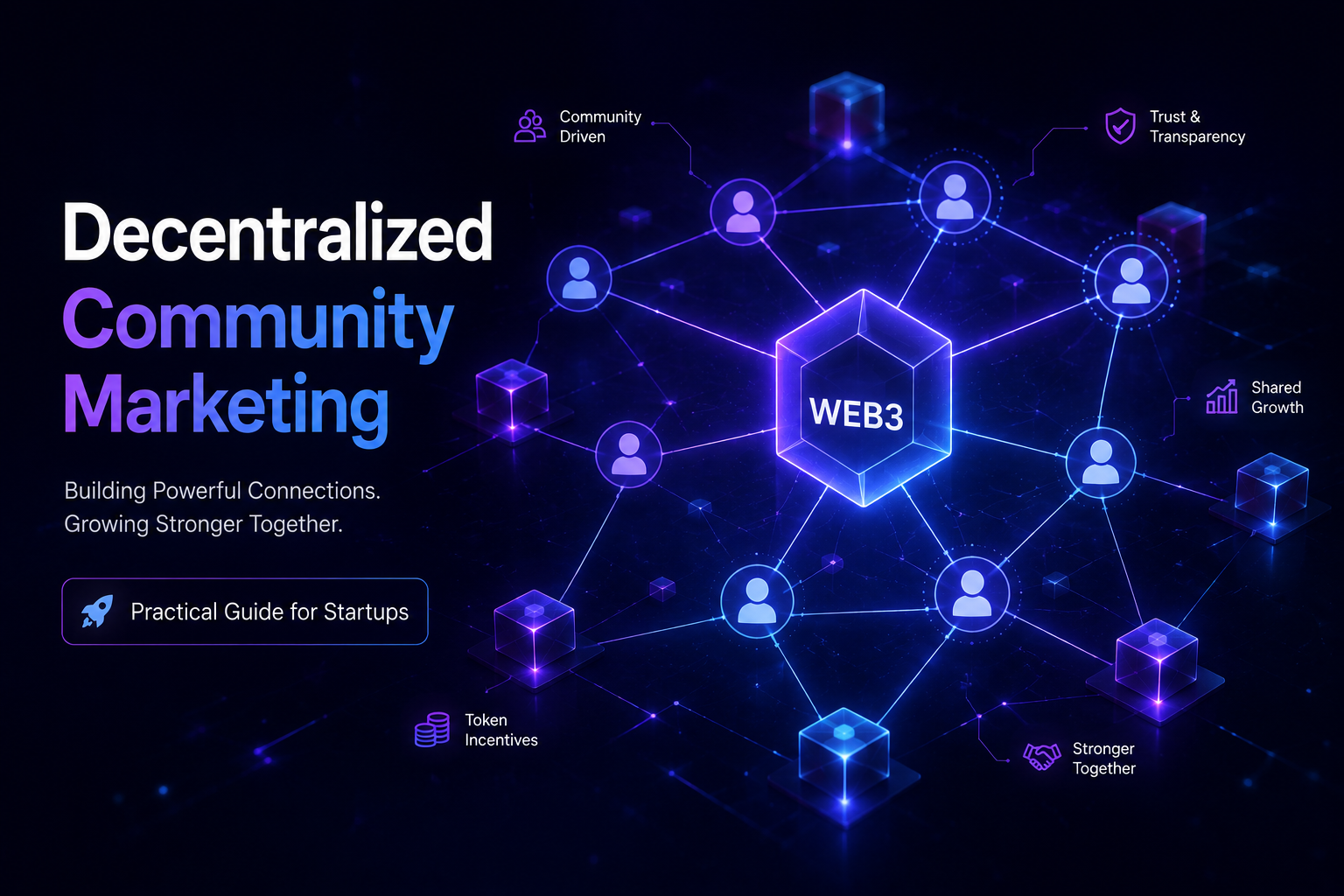
Marketing in Web3 isn’t just a new version of traditional marketing it’s a completely different game.
If you’re a startup entering the blockchain, crypto, or decentralized ecosystem, you’ve probably realized that what works in Web2 doesn’t always translate here. Paid ads are limited, trust is everything, and communities drive growth more than campaigns.
That’s where Web3 marketing comes in.
This guide is designed for beginners who want a clear, practical understanding of how to market a Web3 project from building a community to launching campaigns that actually work.
What is Web3 Marketing?
At its core, Web3 marketing is about promoting decentralized products and services while building trust, transparency, and community ownership.
Unlike traditional marketing, where brands control the narrative, Web3 shifts power to users. Communities don’t just consume they participate, contribute, and influence the direction of the project.
Key Differences Between Web2 and Web3 Marketing
-
Community-first vs product-first
-
Transparency vs controlled messaging
-
Organic growth vs paid acquisition
-
Decentralized trust vs centralized authority
Because of this shift, your Web3 marketing strategy needs to focus more on engagement and less on direct selling.
Why Traditional Marketing Doesn’t Work in Web3
Many startups fail because they try to apply Web2 tactics in a Web3 environment.
Limited Paid Advertising Options
Platforms like Google and Meta restrict crypto-related ads, making it harder to rely on paid campaigns.
Skeptical Audience
Web3 users are highly informed. They can quickly identify hype, scams, or shallow marketing.
Community Expectations
Users expect transparency, consistent updates, and direct interaction with founders.
This is why a strong, well-planned Web3 marketing strategy is essential from day one.
Step 1: Define Your Positioning and Narrative
Before you start promoting your project, you need clarity.
Ask Yourself:
-
What problem are you solving?
-
Why does your project matter?
-
What makes you different from competitors?
Your narrative should be simple, clear, and consistent across all platforms.
In Web3, storytelling is not optional it’s a core part of Web3 marketing.
Step 2: Build Your Community First
Community is the backbone of every successful Web3 project.
Where to Build Your Community
-
Discord
-
Telegram
-
Twitter (X)
Each platform serves a different purpose, but together they form your ecosystem.
Focus on Engagement, Not Numbers
Don’t chase vanity metrics. Instead:
-
Respond to users
-
Start conversations
-
Encourage participation
A strong community is the foundation of any effective Web3 marketing strategy.
Step 3: Content is Your Growth Engine
In Web3, content replaces ads.
Types of Content That Work
Educational Content
-
Explain your product
-
Break down complex concepts
-
Share tutorials
Thought Leadership
-
Share insights about the industry
-
Discuss trends and future predictions
Community Content
-
Highlight users
-
Share feedback
-
Post memes and casual updates
Consistency is key. Content builds trust, and trust drives growth in Web3 marketing.
Step 4: Leverage Social Platforms Strategically
Twitter (X)
The most important platform for Web3:
-
Share threads
-
Engage with other projects
-
Participate in conversations
Discord
Your core community hub:
-
Build relationships
-
Host discussions
-
Manage your audience
Telegram
Good for quick updates and announcements.
Your Web3 marketing strategy should integrate all three seamlessly.
Step 5: Use KOL and Influencer Marketing
KOL (Key Opinion Leader) marketing plays a huge role in Web3.
Why It Works
-
Builds credibility quickly
-
Reaches targeted audiences
-
Creates social proof
How to Do It Right
-
Focus on niche influencers
-
Prioritize engagement over follower count
-
Avoid fake or bot-driven accounts
A smart KOL approach can significantly boost your Web3 marketing efforts.
Step 6: Launch Campaigns That Drive Participation
Web3 users don’t just want to watch they want to be involved.
Examples of Effective Campaigns
-
Airdrops
-
Whitelists
-
Community challenges
-
Ambassador programs
Keep It Meaningful
Avoid spammy tasks. Focus on:
-
Real engagement
-
Quality participation
-
Long-term value
Campaigns should strengthen your community, not just inflate numbers.
Step 7: Build Trust Through Transparency
Trust is everything in Web3.
How to Build It
-
Share regular updates
-
Be honest about progress and challenges
-
Communicate directly with your community
Founder Visibility Matters
Projects where founders are active tend to perform better.
Transparency is a key pillar of any successful Web3 marketing strategy.
Step 8: Measure What Actually Matters
You can’t improve what you don’t track.
Key Metrics to Monitor
-
Community growth
-
Engagement rate
-
Retention
-
Campaign participation
Focus on Quality Metrics
Avoid vanity metrics like:
-
Fake followers
-
Empty impressions
Real engagement is what drives long-term success in Web3 marketing.
Common Mistakes to Avoid
Let’s quickly highlight what not to do:
-
Overhyping without substance
-
Ignoring the community
-
Copying other projects blindly
-
Relying only on influencers
-
Lack of consistency
Avoiding these mistakes can save months of wasted effort.
Conclusion
Web3 marketing is not about quick wins it’s about building something real.
For startups, the focus should always be on:
-
Community
-
Content
-
Trust
-
Consistency
By following a clear and practical Web3 marketing strategy, you can grow your project organically and sustainably.
Remember, in Web3, your community is your biggest asset. Invest in it, nurture it, and your growth will follow.

 Bangla