

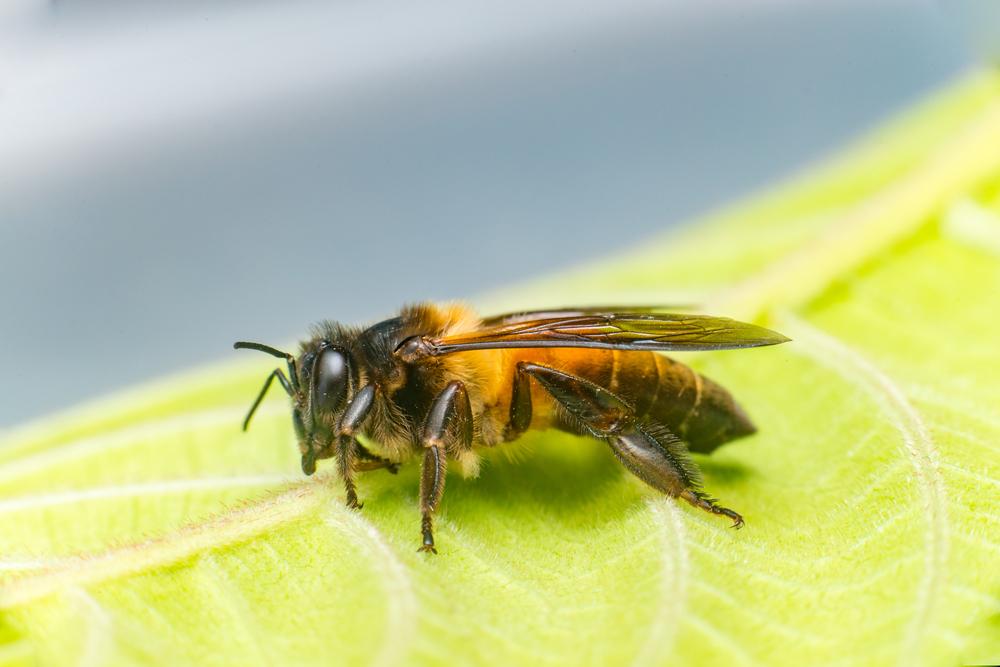
Finding a beehive at a rental property can create concerns for landlords, tenants and property managers. Bees may establish nests in roof cavities, wall spaces, sheds, fences and other sheltered areas around a building. While some bee activity is harmless, an established colony near an entrance or frequently used outdoor space may require professional attention.
Landlords and property managers should respond promptly, communicate clearly with tenants and arrange an appropriate assessment. Understanding the responsibilities involved can help protect occupants, prevent unnecessary property damage and ensure bees are managed safely.
1. Take Reports of Bee Activity Seriously
When a tenant reports bees gathering around the property, the first step is to understand what they have noticed. A few bees visiting flowering plants may be normal, but repeated activity around one opening could indicate a nest.
Ask the tenant to provide details such as:
-
Where the bees are gathering.
-
Whether they are entering a roof, wall or other cavity.
-
How long the activity has been occurring.
-
Whether a swarm or visible hive is present.
-
Whether anyone has experienced a safety concern.
Photographs taken from a safe distance may help with an initial assessment. Tenants should not be asked to approach the nest or investigate an enclosed area themselves.
2. Arrange a Professional Inspection
If bees appear to be entering a building cavity or establishing a permanent nest, arrange an assessment with a suitably qualified bee removal professional.
A technician can help identify the species, determine whether the bees have formed a colony and assess the location of the nest. This is important because different bee species have different nesting behaviours and may require different management approaches.
For example, European honeybees can establish large colonies inside roof cavities, while some native Australian bees may nest in soil, timber or hollow plant stems.
A professional bees inspection Melbourne service can help property managers understand the situation before deciding whether removal or another management option is appropriate.
3. Understand the Responsibilities of Landlords and Property Managers
Landlord and tenant responsibilities depend on the circumstances, the applicable rental laws and the terms of the tenancy agreement.
In Victoria, rental providers generally have responsibilities relating to the property's condition and maintenance, including addressing certain urgent repairs. Whether a particular bee-related issue qualifies as an urgent repair depends on the circumstances and the applicable legal requirements.
Property managers should:
-
Record the tenant's report and when it was received.
-
Assess whether the activity creates an immediate safety concern.
-
Arrange appropriate inspection or treatment.
-
Keep the landlord informed about the issue and proposed work.
-
Communicate the arrangements and any necessary access requirements to tenants.
-
Retain invoices, inspection findings and relevant correspondence.
If there is uncertainty about legal responsibilities, consult Consumer Affairs Victoria or obtain appropriate tenancy advice.
4. Protect Tenants While the Issue Is Being Assessed
An active beehive can create a safety concern, particularly when it is close to a front door, balcony, shared walkway or children's play area.
While waiting for professional assistance, property managers should advise tenants to:
-
Keep children and pets away from the affected area.
-
Avoid disturbing the bees or approaching the entrance.
-
Keep windows and doors near the activity closed where practical.
-
Avoid spraying chemicals or using smoke.
-
Report any significant change in bee activity.
If someone experiences a severe allergic reaction following a sting, call Triple Zero (000) immediately.
Clear communication is important. Tenants should know which areas to avoid and who to contact if the situation changes.
5. Do Not Attempt DIY Beehive Removal
Removing an established hive is not a suitable DIY maintenance task. Disturbing bees without proper equipment and experience can cause defensive behaviour and increase the risk of stings.
Property managers should not arrange for tenants or general maintenance workers to spray, block or remove an active hive without appropriate professional advice.
Blocking the entrance is particularly problematic because bees may become trapped inside the cavity or find another route into the building.
A professional can assess whether relocation, removal or another management approach is suitable for the species and nesting location.
6. Check Whether Honeycomb Needs to Be Removed
When an established honeybee colony is removed, the remaining honeycomb may also need attention.
Honeycomb can contain wax, stored honey and other hive material. If it remains inside a roof or wall cavity, it may attract ants and other pests. Honey can also leak into insulation or ceiling materials, potentially causing stains and unpleasant odours.
Property managers should ask whether the quoted service includes:
-
Locating the nesting area.
-
Managing or removing the active colony.
-
Removing accessible honeycomb where necessary.
-
Disposing of hive material appropriately.
-
Checking the cavity after removal.
-
Providing recommendations for repairs and prevention.
The scope of work will depend on the building structure and how accessible the hive is.
7. Understand the Cost of Beehive Removal
Bee removal costs can vary significantly between properties. A visible swarm in an accessible location may require less work than a colony established behind roofing materials or inside a wall cavity.
Factors that may affect the quote include:
-
The size and location of the colony.
-
The type of bee.
-
The height and accessibility of the nest.
-
Whether specialised equipment is needed.
-
Whether honeycomb removal is included.
-
Whether building access or repairs are required.
Before approving work, property managers should request a written quote outlining the services included and any possible additional charges. Information about bee control cost Melbourne can also help landlords understand the factors that influence pricing.
8. Consider Bee Removal Services Across Melbourne
Landlords and property managers may oversee multiple rental properties across different Melbourne suburbs. When a beehive is reported, providing the exact property location can help a service provider assess availability and arrange an inspection.
For example, property owners seeking information about bees removal East Melbourne, bees removal Box Hill or bees removal Elsternwick can include details about the nest location when making an enquiry.
A clear description of the property and the affected area can help the technician understand the work that may be required.
9. Arrange Preventative Property Maintenance
Once the bee activity has been managed, landlords should consider whether any property maintenance could reduce the likelihood of future nesting.
Useful preventative measures include:
-
Repairing damaged roof tiles and loose roofing materials.
-
Checking gaps around eaves and fascia boards.
-
Maintaining external wall surfaces.
-
Repairing damaged vents and structural openings.
-
Checking sheds and other outdoor structures.
-
Addressing suitable entry points after confirming the hive has been removed.
These measures should be completed only after the active colony has been safely managed. Not all openings should be sealed, as some may serve necessary ventilation or drainage purposes.
10. Keep Records of Inspections and Repairs
Maintaining accurate records helps property managers demonstrate how a reported issue was handled. It also provides useful information if similar bee activity occurs again.
Keep copies of:
-
The tenant's original report.
-
Photographs supplied from a safe distance.
-
Inspection reports and recommendations.
-
Removal quotes and invoices.
-
Repair records.
-
Communications with the landlord and tenant.
These records can support future maintenance decisions and help identify recurring issues around the property.
Final Thoughts
Landlords and property managers should respond promptly when tenants report a beehive or repeated bee activity around a rental property. The right approach involves assessing the situation, communicating with occupants, arranging professional advice and addressing any necessary property repairs.
Not every bee nest requires removal, particularly when native species are involved. Correct identification helps determine the most appropriate response while considering both occupant safety and bee welfare.
By handling reports carefully and keeping clear maintenance records, property managers can manage bee-related concerns responsibly and maintain safer rental properties.
