

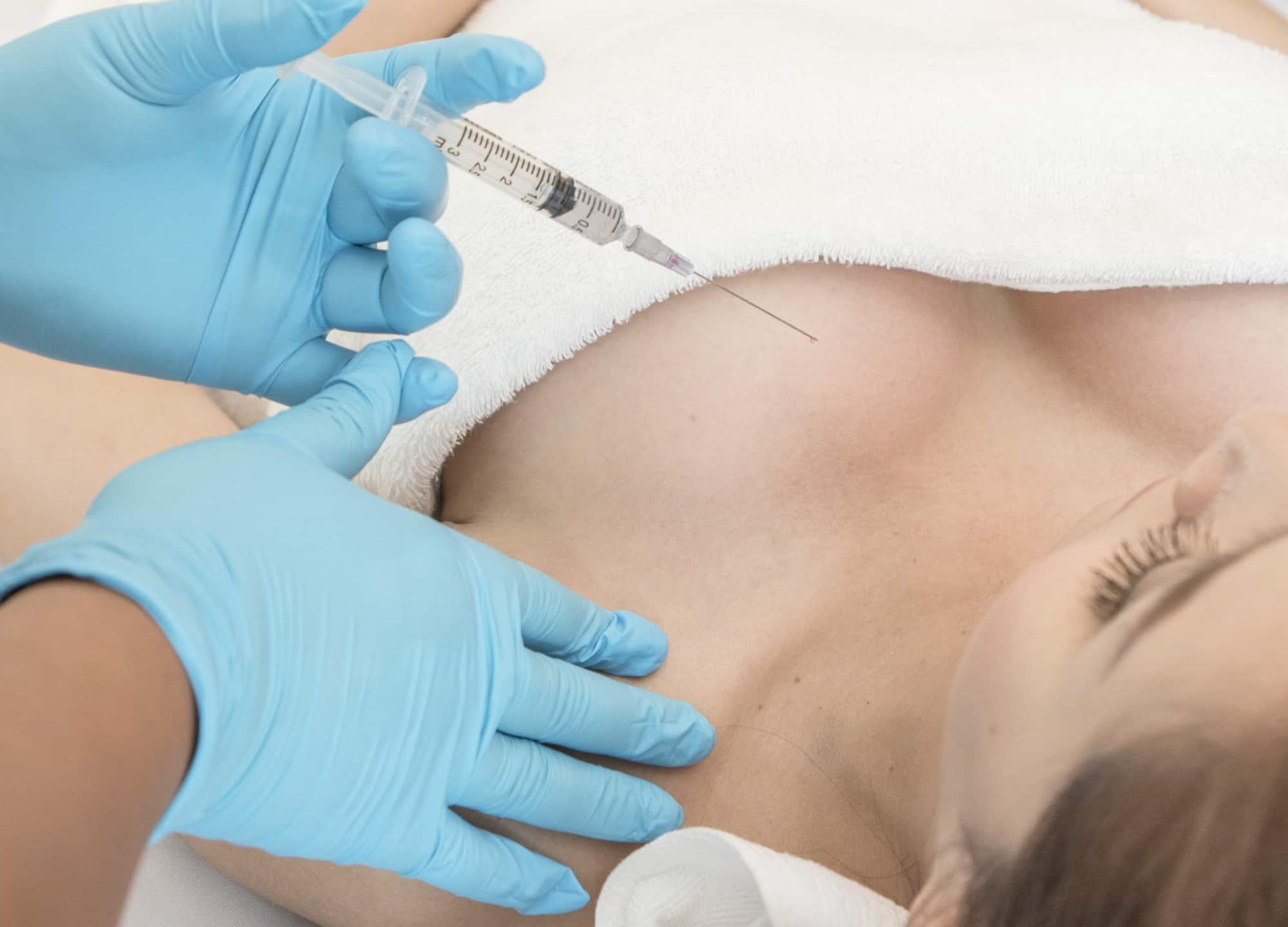
What Determines How Much Transferred Fat Survives After Breast Augmentation?

Fat transfer can add a softer, more personalised finish to breast augmentation, particularly when a patient wants to improve fullness around the upper breast or smooth visible contour differences. However, not all the fat transferred during surgery becomes a permanent part of the breast. Some of it is naturally absorbed by the body during healing. For women considering Breast Enhancement Surgery in Islamabad, understanding what determines fat survival is important for setting realistic expectations and choosing the right surgical approach.
In hybrid breast augmentation, implants provide the main increase in breast volume, while transferred fat is used to refine selected areas. The final result depends on how successfully the transferred fat establishes a blood supply and integrates with the surrounding breast tissue.
Why Doesn't All Transferred Fat Survive?
Unlike a breast implant, transferred fat is living tissue. Once fat is collected from another part of the body and injected into the breast, the cells need oxygen and nutrients from their new surroundings to remain viable.
During the early healing period, the transferred fat gradually depends on the formation of connections with the surrounding blood supply. Fat cells that receive adequate nourishment may survive and become established within the breast tissue.
However, cells that do not receive enough oxygen and nutrients may be reabsorbed by the body or develop into areas of fat necrosis. This is a recognised limitation of fat grafting rather than necessarily a sign of poor surgical care.
The long-term result depends on how well the transferred fat establishes itself in its new location, not simply on how much fat is injected.
How Does the Blood Supply Affect Fat Survival?
Blood supply is one of the most important factors influencing successful fat grafting. The breast tissue surrounding the injected fat acts as the receiving environment, providing the nutrients and oxygen needed for the transplanted cells to survive.
When fat is injected in small amounts and distributed carefully, more of it can remain close to healthy surrounding tissue. This allows the cells to receive nourishment while new blood vessels develop.
If too much fat is placed in one area, the centre of the injected deposit may be too far from an adequate blood supply. This can increase the risk of fat necrosis, where some transferred fat cells die and form firm lumps or oil cysts.
A healthy recipient tissue environment is essential for maintaining viable transferred fat.
Why Does the Fat Transfer Technique Matter?
The way fat is collected, processed, and injected can influence its survival. Each stage needs careful handling because fat cells are delicate and can be damaged by excessive mechanical stress.
During harvesting, fat is usually collected through liposuction from areas such as the abdomen, thighs, or flanks. The surgeon then processes the collected material to separate usable fat from excess fluid, blood, and other unwanted components.
The prepared fat is transferred into the breast using small injections and controlled deposits. Rather than placing a large amount in one pocket, the surgeon distributes it carefully through suitable tissue planes.
Gentle handling and controlled placement help create better conditions for fat survival. The technique also needs to account for the breast's existing tissue and any implant already present.
Does the Amount of Fat Injected Affect Survival?
Yes. The amount transferred in one session matters because the receiving tissue has a limited capacity to nourish newly injected fat.
Injecting a large volume into a small area does not necessarily produce greater permanent fullness. When the fat is concentrated too heavily, some cells may struggle to receive sufficient oxygen, increasing the possibility of fat absorption or necrosis.
For this reason, surgeons assess how much fat the breast can reasonably accommodate. Patients seeking a substantial increase in breast size may be better served by implants, with fat transfer used for additional contouring.
More injected fat does not automatically mean more lasting volume. A controlled approach is often preferable to overfilling the recipient area.
What Patient Factors Influence Fat Survival?
The patient's general health and tissue condition also matter. Although a surgeon controls the harvesting and injection technique, the body's ability to heal and establish a blood supply plays an important role.
During Breast Enhancement Surgery in Islamabad, several patient-related factors may be considered:
-
Smoking and nicotine use: Nicotine can reduce blood flow and interfere with tissue healing, potentially affecting fat survival.
-
Existing breast tissue: The amount and quality of available tissue influence how much transferred fat can be accommodated.
-
Circulation and healing: Vascular health and the body's healing response may affect the establishment of a blood supply.
-
Medical conditions: Diabetes and certain vascular or metabolic conditions may influence healing and should be assessed before surgery.
-
Available donor fat: The amount and quality of fat that can safely be harvested affect the overall treatment plan.
-
Weight stability: Significant weight loss after surgery can reduce the volume of surviving transferred fat.
-
Postoperative care: Following instructions about activity, pressure, and recovery can help protect the treated areas.
These factors do not allow anyone to predict an exact survival percentage. Individual healing responses vary, even when the same surgical technique is used.
Can Pressure on the Breasts Affect Fat Survival?
The early healing period is important because the transferred fat is establishing connections with the surrounding tissue. Excessive pressure or trauma may interfere with the healing process, although the extent of any effect depends on the individual situation.
Patients may be advised to avoid activities that place unnecessary pressure on the breasts for a period determined by their surgeon. This may include certain sleeping positions, vigorous exercise, or tight garments that compress the treated area.
The correct support garment and postoperative instructions depend on whether the patient has undergone fat transfer alone or hybrid augmentation with implants. Patients should not independently change their prescribed garment or recovery routine.
Protecting the treated area during early healing is part of responsible postoperative care.
When Does Transferred Fat Become More Stable?
Transferred fat does not settle into its permanent volume immediately after surgery. During the first few weeks, swelling and the initial healing response can make the breasts appear fuller than they will eventually remain.
As the body absorbs some of the fat and the surviving cells establish themselves, the breast contour gradually changes. The result generally becomes easier to assess over the following months, rather than during the immediate postoperative period.
Significant changes in body weight can also affect the transferred fat later because surviving fat cells behave like other fat cells in the body. They may increase or decrease in size as weight changes.
The early postoperative appearance should not be confused with the final fat-transfer result.
Can Some Patients Need a Second Fat Transfer Session?
Yes. Some patients may benefit from another session when the remaining volume is less than expected or when additional contour refinement is desired.
For example, a woman may have good implant-based fullness but still notice a small depression near the upper or outer breast. A further fat transfer may be considered once the initial tissues have healed and the surgeon can assess the stable result.
However, a second session is not automatically necessary. The decision depends on the amount of surviving fat, the patient's goals, available donor tissue, and whether another procedure can be performed safely.
Fat grafting is sometimes a staged process rather than a one-time volume correction.
What Problems Can Occur If Transferred Fat Does Not Survive?
When some transferred fat does not survive, the body may gradually absorb it without causing noticeable symptoms. In other cases, fat necrosis can lead to firm areas, small lumps, or oil cysts within the breast.
Some changes may also appear on breast imaging as calcifications or other findings. These are not automatically signs of breast cancer, but they may require further assessment to establish the cause.
Patients should inform their radiologist about previous fat grafting and breast implant surgery whenever they undergo breast imaging. Any new lump, persistent swelling, or unusual breast change should be examined by a qualified clinician rather than assumed to be a normal result of fat transfer.
Understanding possible imaging changes and attending appropriate follow-up are important parts of long-term breast care.
What Should Patients Discuss Before Hybrid Breast Augmentation?
Before surgery, patients should understand the separate roles of implants and transferred fat. Implants provide the main volume, while fat grafting can help improve selected contours and soften transitions.
During consultation, the surgeon should explain how much fat may be available, which areas can be treated, the limitations of fat survival, and whether additional sessions could be needed. Patients should also discuss smoking, existing medical conditions, implant selection, and recovery requirements.
For women considering Breast Enhancement Surgery in Islamabad, realistic expectations are especially important. No surgeon can promise that a specific percentage of transferred fat will survive or guarantee an exact final breast volume.
The best treatment plan balances the patient's aesthetic goals with the capacity of the breast tissue to receive the transferred fat safely.
Final Thoughts
The amount of transferred fat that survives after breast augmentation depends on blood supply, harvesting and injection techniques, the volume placed, patient health, and postoperative healing. Hybrid augmentation can provide additional contour refinement, but fat absorption is an expected part of the process and results vary between individuals. Careful planning helps create realistic expectations and reduce avoidable complications.
For women considering Breast Enhancement Surgery in Islamabad, Dynamic Aesthetic Clinic offers personalised consultations focused on breast anatomy, fat transfer suitability, and individual enhancement goals. Its expertise, board-certified surgeons, and advanced surgical techniques help patients explore suitable options with attention to tissue preservation, natural-looking contours, and surgical safety.
