

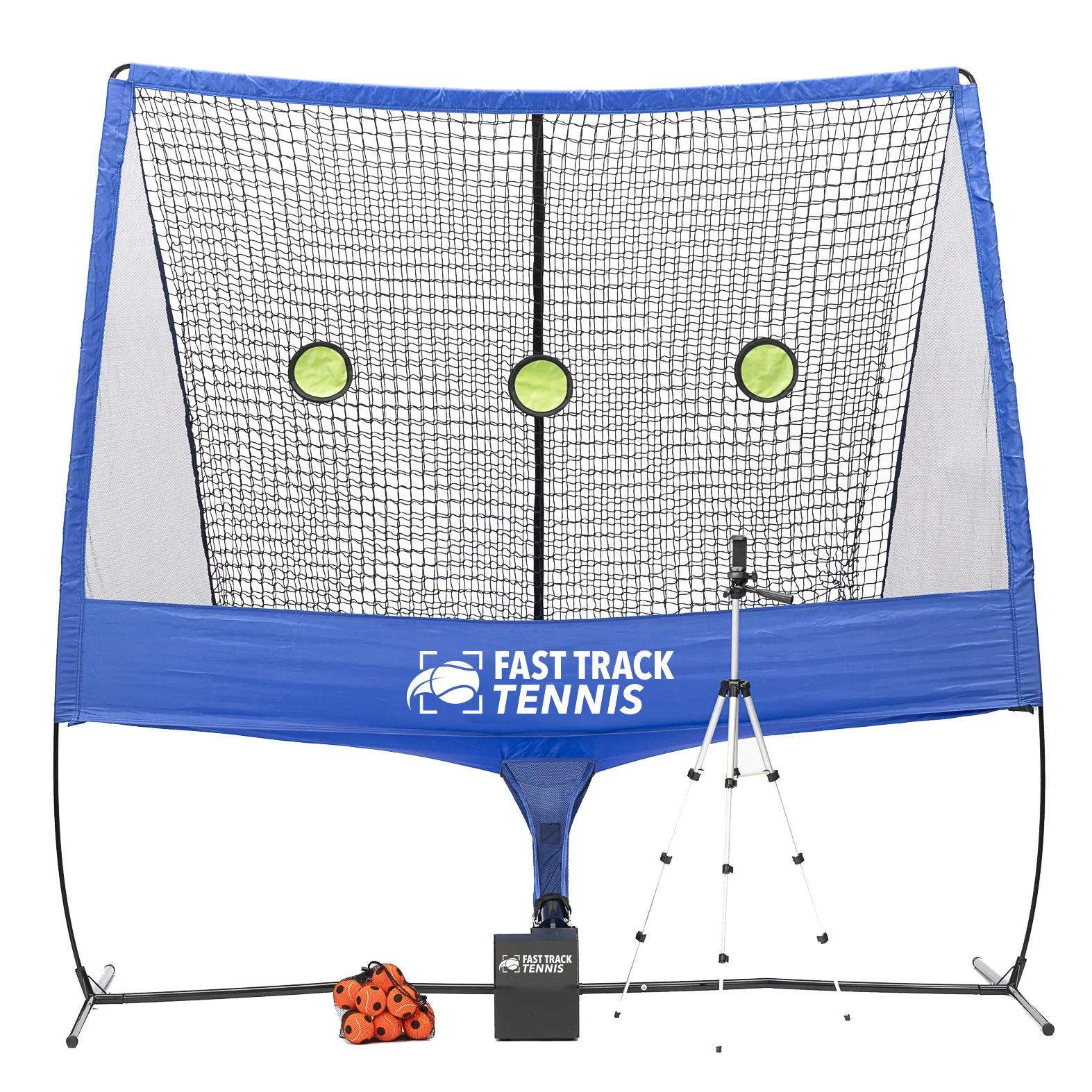
Tennis Rebounder Wall: Everything You Need to Know About Training and Practice

Tennis requires a combination of good technique, coordination, physical fitness, and regular practice. Players need to work on different skills, including forehand strokes, backhand shots, ball control, footwork, and reaction time. However, finding a practice partner or visiting a tennis court regularly is not always convenient. A tennis rebounder wall offers a practical way to continue practising independently.
Whether you are a beginner learning basic tennis techniques or an experienced player looking to improve consistency, understanding how rebounder equipment works can help you make better training decisions. It can also be a useful addition to a home tennis practice area.
What Is a Tennis Rebounder Wall and How Does It Work?
A tennis rebounder wall is a training device that returns a tennis ball towards the player after it hits a specially designed net or rebound surface. It allows players to practise repeated shots without requiring another person to return the ball.
Most portable rebounders feature a supporting frame, a tensioned net, and a stable base. Some models also include target areas that help players practise shot accuracy.
The basic process is simple:
-
Position yourself at a suitable distance from the rebounder.
-
Hit the tennis ball towards the net.
-
Prepare for the ball to return.
-
Move into position and hit the next shot.
-
Repeat the exercise while maintaining proper technique.
The returning speed and direction can vary depending on the equipment design, hitting angle, and ball speed.
What Tennis Skills Can You Practise with a Rebounder?
A rebounder can support several types of tennis exercises. Each activity focuses on a different part of your game.
Forehand practice: Repeated forehand shots help players work on swing movement, timing, and ball contact.
Backhand practice: Players can practise one-handed or two-handed backhand movements depending on their playing style.
Hand-eye coordination: Following the ball and preparing for its return encourages better visual tracking and timing.
Reaction exercises: Responding to returning balls helps players practise readiness and quick movement.
Shot accuracy: Target-based exercises encourage players to focus on controlling the direction of their shots.
For the best results, start with controlled movements and gradually increase the difficulty of your exercises.
What Is the Best at Home Tennis Training Equipment?
The best at home tennis training equipment depends on your playing experience, available space, and individual training requirements. Not every player needs the same equipment.
Here are some common options:
| Equipment | Main Purpose |
|---|---|
| Tennis rebounder wall | Repeated hitting practice |
| Tennis practice balls | Regular hitting and accuracy drills |
| Portable tennis net | Creating a practice area |
| Agility equipment | Footwork and movement exercises |
| Coordination accessories | Balance and hand-eye coordination |
A rebounder is particularly useful for independent hitting practice, while other accessories can support movement and fitness training.
Before purchasing equipment, consider its size, construction, portability, setup requirements, and intended use.
How to Create an Effective Tennis Training Routine
Having training equipment is only one part of improving your game. You also need a routine that gives enough attention to different tennis skills.
Here is an example of a 40-minute home practice session:
Warm-Up – 5 Minutes
Begin with light jogging, arm movements, and gentle dynamic stretches. This prepares your body for physical activity.
Forehand and Backhand – 15 Minutes
Spend time practising both strokes. Focus on maintaining balance, preparing your racket early, and making controlled contact with the ball.
Reaction and Coordination – 10 Minutes
Stand in a ready position and respond to the returning ball. Work on maintaining your balance and preparing for each shot.
Accuracy Practice – 5 Minutes
Choose specific target areas and try to direct your shots towards them.
Cool-Down – 5 Minutes
Finish with light movement and comfortable stretching.
Adjust the routine according to your fitness, experience, and recovery needs.
How Does a Tennis Training System Help Organise Practice?
A tennis training system provides a structured approach to developing different skills. Instead of repeating the same exercise throughout every session, players can divide their practice into specific activities.
For example, beginners can focus on basic racket movements and ball contact. Intermediate players may spend more time on consistency, footwork, and shot placement. Advanced players can use additional drills to maintain their timing and control.
A useful training plan should include clear goals, regular practice, technique correction, and enough recovery time.
Keeping a simple training record can also help you identify improvements and understand which skills need additional attention.
How to Choose and Maintain a Tennis Rebounder
When selecting a rebounder, look beyond its appearance. The frame should provide suitable stability, and the net should be appropriate for repeated tennis practice.
Consider the following factors:
-
Frame quality: Check the material and overall construction.
-
Net tension: Look for a properly fitted net designed for the intended use.
-
Stability: Make sure the supporting structure sits securely on the ground.
-
Portability: Consider whether you need to move or store it regularly.
-
Available space: Check the equipment dimensions before setting up your practice area.
For maintenance, clean the frame when necessary, inspect the net for damage, and store the equipment according to the manufacturer's instructions. Check all connections before each practice session.
How Tennis Assist Supports Home Tennis Practice
Choosing suitable training equipment can make independent practice easier to organise. Tennis Assist offers tennis training products and sports accessories for players, coaches, and tennis enthusiasts.
Players can explore different training solutions according to their skill levels, practice requirements, and available space. The goal is to make regular tennis practice more accessible and convenient.
Conclusion
A tennis rebounder wall is a useful training option for players who want to practise independently and repeat important tennis movements. It can support forehand and backhand exercises, coordination, reaction practice, and shot accuracy.
Although it cannot replace professional coaching or match experience, it can complement a regular tennis training routine. By choosing suitable equipment, following a structured practice plan, and maintaining good technique, players can make their training sessions more organised and productive.
Frequently Asked Questions (FAQs)
1. What is a tennis rebounder wall made of?
Most portable rebounders use a supporting frame and a tensioned net or rebound surface. Materials and construction vary between models.
2. Can a tennis rebounder be used in a backyard?
Yes. It can be used in a backyard or suitable outdoor area if there is enough space, a stable surface, and a safe practice zone.
3. Is a tennis rebounder suitable for beginners?
Yes. Beginners can use it for basic forehand and backhand practice, ball contact, and coordination exercises.
4. What is the difference between a rebounder and a traditional tennis wall?
A traditional tennis wall is generally a fixed solid structure, while a portable rebounder commonly uses a framed net. Both can support repeated hitting practice, but their ball-return behaviour may differ.
5. Can a tennis rebounder replace a tennis coach?
No. It provides opportunities for independent practice, but a coach can identify technical mistakes, provide feedback, and guide more advanced training.
6. How much space is needed for a tennis rebounder?
The required space depends on the rebounder's dimensions and the player's movement needs. Always check the manufacturer's recommended setup and clearance requirements before use.
