

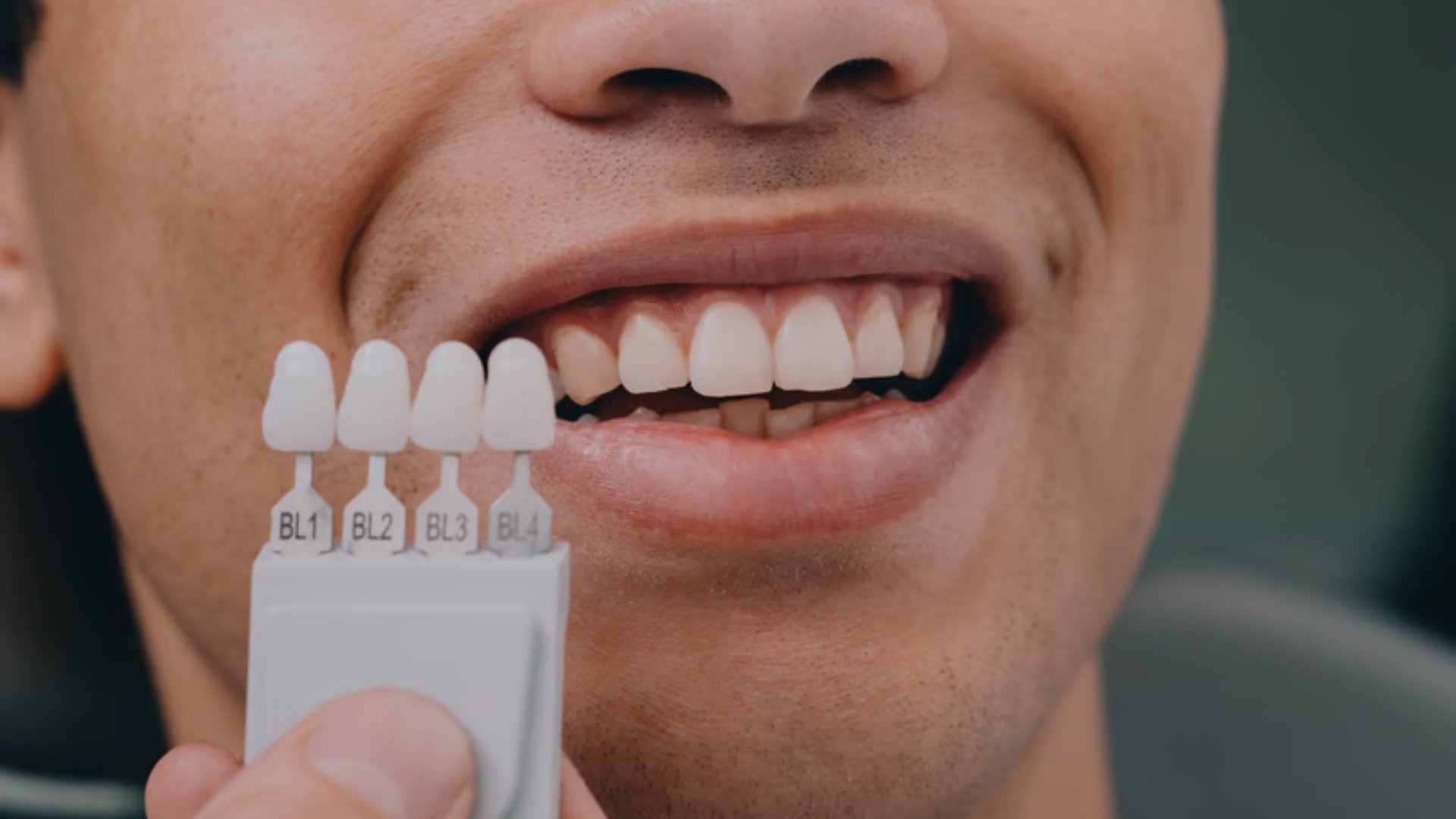

A damaged or weakened tooth can affect more than your appearance. It may make chewing uncomfortable, cause sensitivity, or leave you worried about further damage. Fortunately, modern restorative dentistry offers practical solutions to protect your natural teeth.
If you're considering dental crowns Brampton, understanding how the treatment works can help you make an informed decision. At Delta Park Dental, patients can explore restorative dental options based on their oral health needs, tooth condition, and long-term goals. A properly fitted crown can strengthen a compromised tooth while helping restore its natural shape and function.
Understanding Dental Crowns and Their Purpose
A dental crown is a custom-made restoration that covers the visible portion of a tooth above the gumline. It is designed to restore a tooth's shape, strength, and appearance when a regular filling may not provide sufficient support.
Crowns are commonly recommended for teeth that have experienced significant damage, decay, or structural weakness. They may also protect teeth following root canal treatment or restore dental implants.
The need for a crown depends on several factors, including how much healthy tooth structure remains and whether the tooth can withstand normal biting forces.
When Might You Need a Dental Crown?
A dentist may recommend a crown in situations such as:
-
A tooth has a large filling with limited natural structure remaining.
-
A cracked tooth needs protection against further damage.
-
Significant decay has weakened the tooth.
-
A tooth has undergone root canal treatment.
-
A severely worn tooth needs its shape restored.
-
A dental implant requires a visible tooth-shaped restoration.
Not every damaged tooth requires a crown. Sometimes, a filling or another restoration may be appropriate. A dental examination helps determine the most suitable treatment.
Key Benefits of Dental Crowns for Oral Health
Dental crowns offer both functional and aesthetic benefits. Beyond improving a tooth's appearance, they can help maintain comfortable chewing and support everyday oral activities.
1. Protect Weakened Teeth
A tooth with extensive damage may struggle to handle regular chewing pressure. A crown covers the remaining tooth structure, helping distribute biting forces and reduce the risk of certain types of further damage.
However, crowns cannot guarantee that a tooth will never crack or develop other problems.
2. Restore Comfortable Chewing
Damaged teeth can make eating difficult, especially when biting firmer foods. A well-fitted crown helps restore the tooth's biting surface and function.
Proper bite adjustment is important because a crown that sits too high can create discomfort during chewing.
3. Improve the Appearance of Your Smile
Crowns can address visible concerns such as discoloration, irregular tooth shape, or extensive dental damage.
Tooth-coloured materials can be selected to complement surrounding teeth, helping create a more natural-looking result.
4. Preserve Natural Tooth Structure
When a tooth remains restorable, placing a crown may help preserve it rather than requiring extraction.
Maintaining natural teeth can support normal chewing function and help prevent complications associated with missing teeth.
Different Types of Dental Crowns Available
Dental crowns are manufactured using different materials. Each option has advantages depending on the tooth's location, appearance requirements, and expected chewing pressure.
Porcelain and Ceramic Crowns
Ceramic crowns are popular for visible teeth because their colour and translucency can resemble natural enamel.
They can be suitable for patients who prioritize appearance, although material selection must also consider bite strength and tooth position.
Zirconia Crowns
Zirconia is a strong ceramic material commonly used for restoring teeth exposed to significant chewing forces.
It offers durability and can provide a tooth-coloured appearance. The specific zirconia formulation influences its strength and translucency.
Porcelain-Fused-to-Metal Crowns
These crowns combine a metal framework with an outer porcelain layer.
They offer structural support and a tooth-coloured surface, although the porcelain may chip over time and the metal margin can sometimes become visible.
Metal Crowns
Metal crowns are known for their strength and resistance to wear. Their metallic appearance generally makes them more suitable for less visible areas.
Your dentist can explain which material best suits your tooth, bite, and cosmetic preferences.
What Happens During a Dental Crown Procedure?
Understanding the process can make treatment feel more manageable. For patients researching a dental crown Brampton, the procedure generally involves several important stages.
Step 1: Dental Examination
The dentist examines the affected tooth and surrounding gums. Dental X-rays may be recommended to assess the roots, bone support, and possible underlying decay.
This assessment determines whether the tooth is suitable for restoration.
Step 2: Tooth Preparation
The dentist removes decay or damaged material and reshapes the tooth to create room for the crown.
Local anesthesia is commonly used to maintain comfort during preparation.
Step 3: Taking Impressions
A digital scan or traditional dental impression captures the prepared tooth's shape and surrounding bite.
These measurements help create a crown that fits accurately alongside neighbouring teeth.
Step 4: Temporary Crown Placement
When the permanent crown requires laboratory fabrication, a temporary crown may protect the prepared tooth.
Patients should avoid particularly sticky or hard foods that could loosen the temporary restoration.
Step 5: Permanent Crown Placement
Once ready, the permanent crown is checked for fit, appearance, and bite alignment before being secured.
Some dental practices offer same-day crown fabrication, while others require multiple appointments.
How Long Do Dental Crowns Last?
Dental crowns can function for many years, but their lifespan varies considerably.
Material quality, oral hygiene, grinding habits, and chewing forces all influence longevity. The health of the underlying tooth and surrounding gums is equally important.
Even though the crown itself cannot develop cavities, the natural tooth beneath its edges can still experience decay.
Patients exploring dental crowns delta should consider long-term maintenance alongside the initial treatment.
Practical Tips for Maintaining Dental Crowns
Good daily habits help protect both the restoration and surrounding teeth.
-
Brush twice daily using fluoride toothpaste.
-
Clean between teeth with floss or appropriate interdental tools.
-
Avoid chewing ice and unusually hard objects.
-
Wear a protective nightguard if recommended for teeth grinding.
-
Attend regular dental examinations and professional cleanings.
-
Report persistent discomfort, looseness, or bite changes promptly.
These habits can reduce avoidable complications and help identify developing problems early.
Why Choosing the Right Dental Crown Treatment Matters
A successful crown involves more than selecting an attractive material. Accurate preparation, healthy supporting tissues, and proper bite alignment all influence the outcome.
For example, a patient with heavy grinding may require a different restoration approach from someone restoring a front tooth primarily for appearance.
Similarly, untreated gum inflammation or deep decay may need attention before crown placement.
When considering dental crowns Brampton, patients should understand the recommended material, treatment steps, possible limitations, and expected maintenance requirements.
An individualized assessment helps ensure the restoration supports both immediate comfort and long-term oral health.
Conclusion
Dental crowns provide a valuable way to restore damaged, weakened, or heavily restored teeth while preserving natural tooth structure whenever possible. With suitable materials, careful placement, and consistent oral hygiene, they can support comfortable chewing and a confident smile.
If you have a cracked tooth, an aging restoration, or discomfort while biting, early evaluation can help prevent additional complications. Delta Park Dental can help you understand whether a dental crown is appropriate for your situation and guide you toward a treatment decision that supports lasting oral health.
