

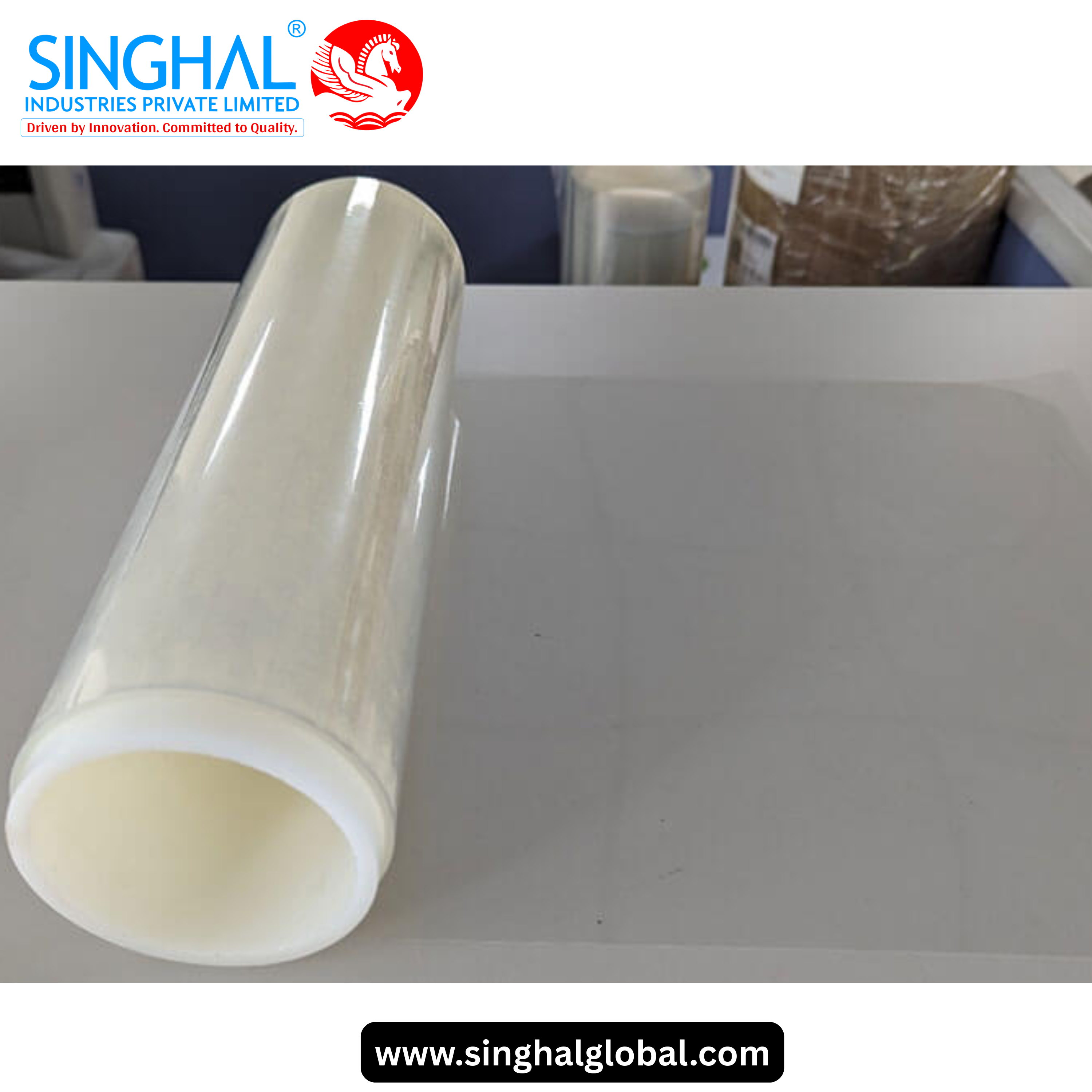
TPU Film: Advanced Flexible Material for Modern Industrial Applications

Manufacturers are seeking new materials with the combined benefits of flexibility, strength, durability and reliability. As such, material innovation is becoming a critical part of contemporary manufacturing. One such material is Thermoplastic Polyurethane (TPU) Film. TPU Film has been gaining much popularity as it offers all the above characteristics within a light weight and highly flexible material. TPU Film is a high-tech thermoplastic elastomer that offers the flexural characteristics of rubber with the ease of manufacturing associated with conventional plastics. Therefore, TPU Film can be used as an option to conventional plastic films where the latter are unable to provide adequate levels of flexural or mechanical performance for a given application.
Understanding the Process of TPU Film
The TPU Films india use unique processes to convert raw materials used to create thermoplastic polyurethanes (TPU) into thin, flexible, uniform films. There are many methods for creating TPU films; however, most include choosing the correct type of raw material for the desired properties such as hardness, transparency, elasticity, and end-use applications. Prior to extruding the selected resins, they must first be properly dried to regulate the resin's moisture level. Once the resins have been properly dried, they can be extruded using specialized machinery. During the extrusion process, the resin is heated until it reaches its melting point and then the molten resin is forced through a specific die to create a continuous film. There are several variables that can affect the quality of the film created during the extrusion process. These variables include temperature, extrusion rate, and cooling rate.
Essential Properties That Make TPU Film Stand Out
TPU films offer an combination of elastic characteristics, durability, and physical properties. This makes TPU films ideal for applications where there is a need for the film to withstand harsh conditions. A primary characteristic of TPU films is the flexibility of the film to stretch and contract back to its original shape without causing any damage. TPU films also offer minimal protection against abrasion caused by either rubbing against another surface or by normal usage. While there are many different forms of TPU films produced, the chemical resistance of TPU films will vary depending on the particular form of TPU film being used. Since TPU films possess a high level of tear resistance and tensile strength, they are often used in applications where there is continuous motion and/or excessive physical stress. Certain TPU film formulas produce extremely transparent films which allow manufacturers to produce items with a clean, visually appealing look. Additionally, certain types of TPU film formulas maintain their flexibility throughout a broad range of temperature variations.
Industrial Applications of TPU Film Across Different Sectors
TPU film's adaptability is a great asset to all the industries who require varying technical/functional specifications. A few of the many ways TPU films are utilized across different sectors include: Automotive Sector - TPU films are used as protective parts, interior parts, surface parts and a number of flexible parts. Footwear Sector - TPU films are used as the top layer of shoes, decorations on shoes, water resistant layer of shoes and reinforcement layers on shoes that require both flexibility and durability. Health Care Sector - Medical grade TPU films may be used for medical bags, protective coverings and liquid handling products; however, the utilization of medical grade TPU films depends on regulatory compliance issues. Textile Manufacturers - TPU films are integrated into waterproof clothing, outdoor clothing, sportswear and other functional fabrics. Electronics Sector - Specialized TPU films are used as protective covers for electronic devices, flexible parts for electronic devices and surface protection for electronic devices.
Importance of Choosing a Reliable TPU Film
When looking for a manufacturing partner for your TPU films, it's essential to find someone who has experience making TPU films that fit the needs of your application. A well-known TPU Film Manufacturer has the right machines, knowledge, and quality controls to make consistent films. Also, another thing to think about is if you can get custom size films, custom thicknesses, custom colors, custom hardness levels, and/or custom finishes. It is very important for a manufacturer that uses automatic production equipment to produce consistently high-quality films because variations in the film properties can negatively affect how efficiently your manufacturing processes work. Lastly, fast technical help, on-time delivery of products, and open communication with your supplier are other important parts of keeping a good working relationship with them.
TPU Film Compared with Conventional Flexible Plastic Materials
When selecting the proper film material, manufacturers must consider which features of each film material are important to them based upon the way that the film material behaves in the environment where the product will be utilized. Most of the commonly utilized film materials today were created as alternative options to traditional plastic films. As an example, thermoplastic polyurethane (TPU) film offers greater elasticity and flexibility than most other types of film materials. Therefore, TPU is an optimal choice for products that experience regular bending, stretching or moving. Also, TPU offers greater abrasion resistance and tear strength than most other types of film materials when subjected to multiple cycles of mechanical force. Finally, unlike many other rigid plastic materials, TPU can offer the advantages of being both flexible and durable. Lastly, TPU is compatible with most forms of extrusion, lamination, heat-sealing, and welding processes. Although TPU can be used in almost all applications, it should always be kept in mind that there is no "one size fits all" solution for selecting the optimal film material for your application. Conventional polyethylene and polypropylene films provide a low-cost solution for simple packaging applications; however, TPU is generally preferred for applications requiring elastic properties, durability, or specialty performance.
Sustainability, Innovation, and the Future of TPU Films India
The growing interest in sustainability and advances in technology offer new options for using advanced thermoplastic materials. Since TPU is a thermoplastic material, the right type of formulation may be softened by heat and then re-processed through appropriate processing techniques. Thus, TPU offers the potential for recycling and recovery; however, the extent to which TPU can be effectively recycled depends on the formulation, the additive(s) employed, the presence of contaminants during processing, and the processing equipment available. Manufacturers of TPU have been working on improving their manufacturing procedures to minimize waste generation, maximize energy efficiency during manufacturing, and develop more effective film configurations. Additionally, there has been continuing investigation into utilizing alternative raw material inputs for TPU manufacturing as well as developing more effective approaches to recycle TPU.
Conclusion: Choosing TPU Film for Better Industrial Performance
The TPU Film Manufacturer Ahmedabad has become increasingly relevant to current material application because of its flexibility, elasticity, wear resistance, and high mechanical performance. TPU Film can be found throughout many different industries such as automotive, medical, footwear, electronics, and technical textiles showing that it has many applications. Choosing the right type of TPU Film based upon the required performance characteristics and other criteria is critical for achieving the intended outcome. When choosing the most appropriate TPU Film, companies must take into account several factors including: thickness, hardness, transparency, chemical resistance, and processability. Working with a professional TPU Film manufacturer will also allow companies to produce consistent products, develop custom solutions to meet specific needs, and establish a reliable supply chain.
Frequently Asked Questions
- What is TPU Film, and what material is it made from?
TPU Film is an adaptable thermoplastic film made with thermoplastic polyurethane. This film provides flexibility, strength, abrasion resistance and flexibility to satisfy the needs of numerous industrial and commercial products. - Can TPU film be manufactured in different thicknesses?
A potential client could inquire with the manufacturer about the precise dimensions of the item they intend to purchase, and whether that specific product would be appropriate for what the client wants to do with it. - Which industries benefit most from TPU film?
TPU has been applied in manufacturing of automotive parts, shoes, specialty products, electronics components and some medical devices that require a certain level of flexibility, long term performance and other unique characteristics. - How should businesses evaluate a TPU Film Manufacturer?
Businesses should consider each of these areas: how reliable is the product, does it have good technical documentation, what kind of quality control systems are in place. - Who is the largest manufacturers of TPU Film?
Singhal Industries Private Limited is one of the manufacturers of TPU Film, but it is not generally recognized as the largest manufacturer worldwide.
