

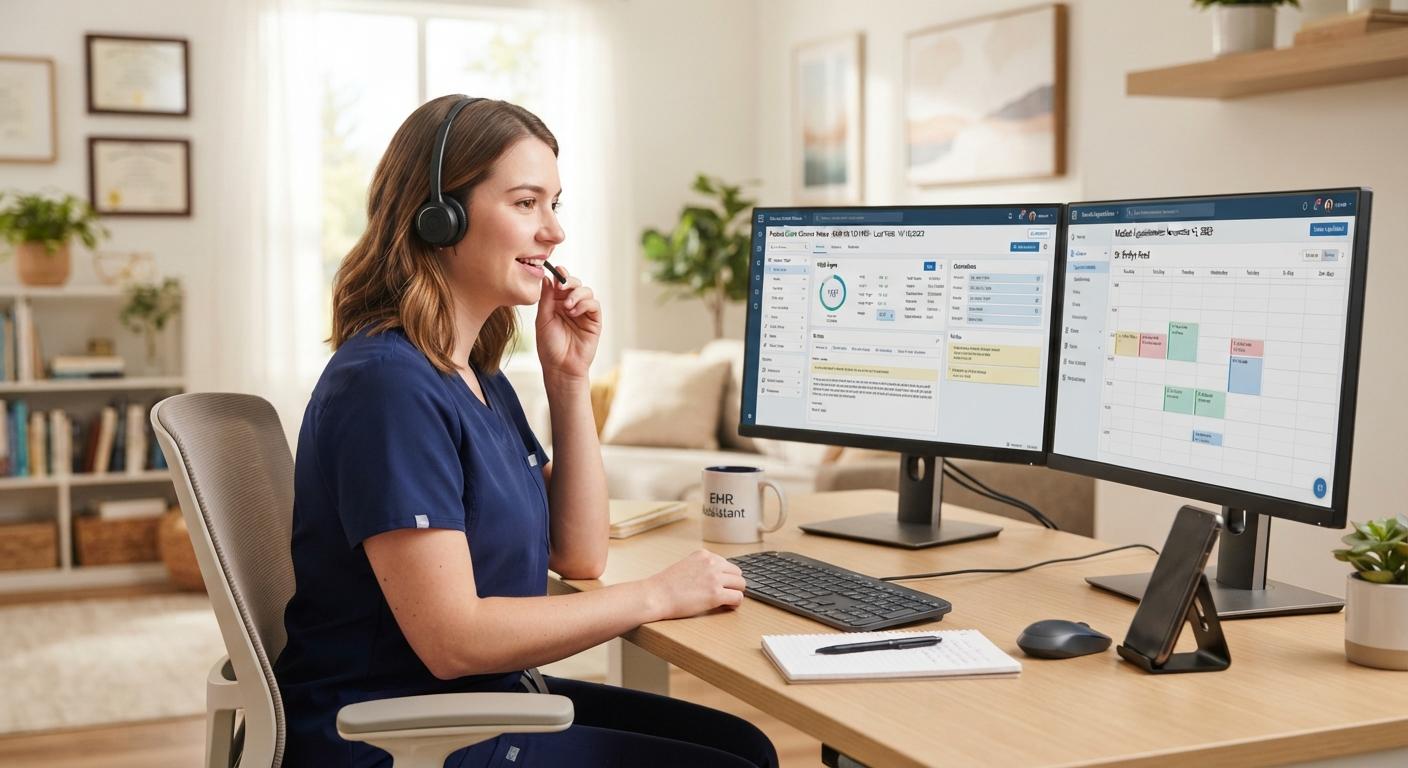

Managing a healthcare clinic involves several administrative responsibilities that require accuracy, organization, and consistent follow-up. One important task is obtaining approval from insurance companies before certain medical treatments, procedures, or medications can be provided. Handling these requests internally can consume valuable staff time and create delays in daily operations. Professional prior authorization assistance can help clinics manage these responsibilities more efficiently, reduce administrative pressure, and maintain smoother workflows.
Understanding the Importance of Prior Authorization
Prior authorization is a process in which healthcare providers obtain approval from an insurance company before delivering specific medical services. Depending on the insurance plan, approval may be required for certain medications, diagnostic tests, procedures, or treatments.
The process often involves submitting clinical documentation, completing insurance forms, communicating with insurance representatives, and monitoring request statuses. Without an organized system, these responsibilities can become difficult to manage, particularly for busy medical practices.
Reducing Administrative Workloads
One of the main advantages of professional authorization assistance is reduced administrative workload. Medical office employees already manage appointment scheduling, patient communication, medical records, and billing-related responsibilities. Adding insurance authorization tasks can increase their workload and affect productivity.
A Prior Authorization Service can help clinics organize required documents, prepare and submit authorization requests, communicate with insurance providers, and follow up on pending cases. This support allows in-house employees to dedicate more time to patient-related responsibilities while keeping administrative processes organized.
Improving Patient Communication and Appointment Coordination
Efficient clinic operations also depend on clear communication with patients. Individuals often contact medical offices to schedule appointments, confirm visits, or ask questions about their healthcare arrangements. Delayed responses and unanswered calls can create unnecessary frustration.
A Medical Virtual Receptionist can assist with incoming calls, appointment scheduling, booking confirmations, and general patient inquiries. This additional support helps clinics manage communication more consistently and reduces interruptions for administrative staff.
Supporting Patients Through Multilingual Communication
Healthcare facilities often serve patients who speak different languages. Communication barriers can make it difficult to understand appointment instructions or share basic information with clinic representatives.
A Bilingual Answering service can help medical practices communicate with patients in multiple languages. This service supports incoming calls, routine inquiries, and appointment-related conversations. Better communication helps create a welcoming environment and makes administrative interactions more accessible.
Improving Staff Productivity and Operational Efficiency
When prior authorization responsibilities are managed through an organized support process, clinic employees can focus on their primary duties. Doctors and clinical teams can spend more time supporting patients, while administrative staff can manage other essential office activities.
Professional assistance can also help practices monitor pending requests, identify missing documentation, and maintain better coordination with insurance providers. Although approval decisions remain with insurers, consistent follow-up can help reduce avoidable administrative delays.
Creating a Better Patient Experience
Insurance approval delays can affect treatment scheduling and create uncertainty for patients. Keeping documentation organized and following up on requests helps clinics communicate more effectively about authorization progress.
When administrative processes run smoothly, patients can receive clearer updates and experience fewer unnecessary communication difficulties. This contributes to a more organized and patient-focused healthcare environment.
Conclusion
Professional prior authorization assistance can improve clinic workflow by reducing paperwork, supporting insurance communication, and helping staff manage administrative responsibilities more effectively. When combined with virtual reception and bilingual answering support, these services can strengthen overall practice management. By choosing reliable administrative assistance, healthcare providers can improve operational efficiency and dedicate greater attention to delivering quality patient care.
