

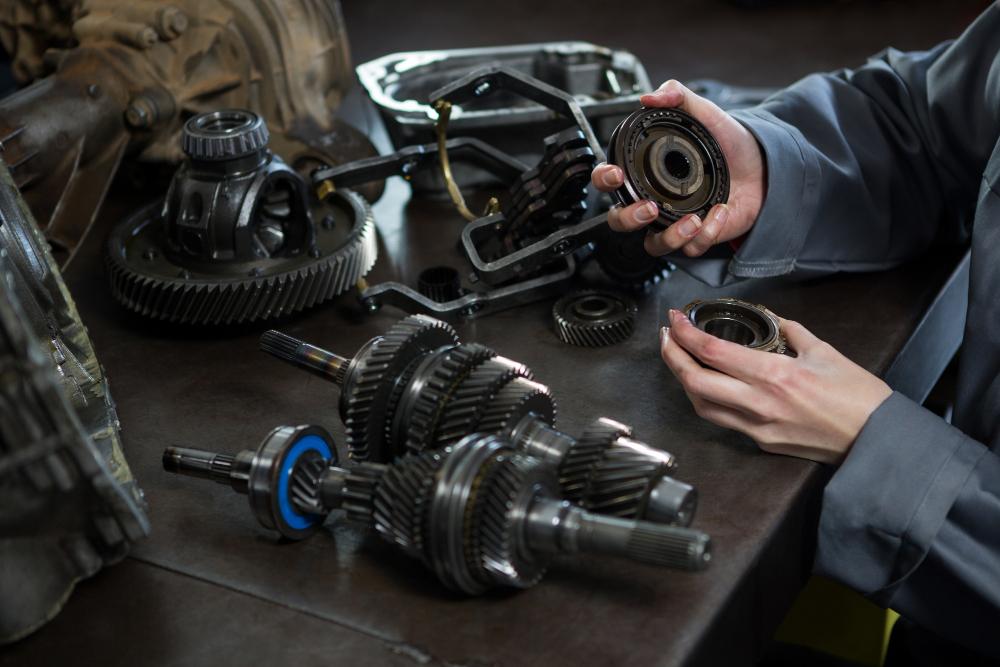

In modern industries, machinery reliability and performance are essential for maintaining productivity and reducing operational costs. Bearings play a critical role in industrial equipment by supporting rotating components and reducing friction. However, bearing failures can lead to unexpected breakdowns, costly repairs, production delays, and equipment damage. This is why bearing failure analysis is an important part of effective industrial maintenance and reliability management.
Understanding the Importance of Bearing Failure Analysis
Bearing failure analysis is the process of identifying the causes of bearing damage and determining why a bearing has failed. It helps maintenance professionals understand underlying problems rather than simply replacing damaged components.
Common causes of bearing failure include improper lubrication, contamination, excessive loading, misalignment, incorrect installation, overheating, and inadequate maintenance practices. Identifying these issues helps organizations take corrective action and prevent similar failures in the future.
Common Bearing Failure Types
Understanding different bearing failure patterns is essential for improving machinery performance. Some common types include:
-
Lubrication Failure: Insufficient or incorrect lubrication increases friction, heat, and wear.
-
Contamination: Dust, dirt, moisture, and other foreign particles can damage bearing surfaces.
-
Misalignment: Improper shaft or housing alignment creates uneven loading and premature wear.
-
Overloading: Excessive mechanical loads can cause surface fatigue and structural damage.
-
Overheating: High operating temperatures can affect bearing materials and lubrication performance.
Recognizing these failure patterns allows maintenance teams to identify potential risks and develop effective solutions.
How Bearing Failure Analysis Improves Machinery Performance
Effective bearing failure analysis provides several benefits for industrial operations.
1. Reduces Unexpected Equipment Downtime
Identifying the root causes of bearing failures helps maintenance teams prevent recurring problems and reduce unplanned machinery shutdowns.
2. Extends Equipment Service Life
Corrective actions such as improving lubrication, controlling contamination, and correcting alignment help extend bearing life and protect valuable machinery.
3. Reduces Maintenance Costs
Analyzing bearing damage helps organizations avoid unnecessary replacements, repeated repairs, and expensive equipment breakdowns.
4. Improves Operational Reliability
Understanding failure patterns allows maintenance professionals to make better decisions and improve overall equipment reliability.
5. Supports Predictive Maintenance
Combining bearing failure analysis with vibration monitoring, temperature measurements, and oil analysis helps identify early warning signs before major failures occur.
Best Practices for Preventing Bearing Failures
Organizations can improve bearing reliability by following several maintenance practices:
-
Use the correct lubricant and maintain proper lubrication intervals.
-
Ensure accurate bearing installation and shaft alignment.
-
Monitor vibration, temperature, and unusual operating noise.
-
Prevent dust, moisture, and other contaminants from entering bearing systems.
-
Follow manufacturer recommendations for operating conditions.
-
Conduct regular inspections and investigate repeated bearing failures.
These practices help maintenance teams improve equipment performance and maintain consistent industrial operations.
Conclusion
Bearing reliability is essential for maintaining efficient industrial operations. Effective bearing failure analysis helps organizations identify the root causes of equipment problems, prevent recurring failures, reduce maintenance expenses, and improve machinery performance.
By combining proper maintenance practices, condition monitoring, and root cause investigation, industries can increase equipment availability and achieve better long-term asset reliability. Investing in technical knowledge and professional training in reliability engineering and asset management can further help maintenance professionals develop the skills needed to manage equipment failures effectively.
