


Warning Signs to Watch For When Choosing the Best Trichologists in Dubai
Hair loss is stressful enough without choosing the wrong clinic. A poor consultation can waste months, cost money that could have been better spent, and in some cases make the problem worse. Yet many patients only realise something was wrong after the treatment has failed. The warning signs are usually there from the first visit, if you know what to look for. Best Trichologists in Dubai is a search that brings up many options, and telling the careful providers from the careless ones matters more than picking the clinic with the most impressive advertising.
Not every clinic that offers hair and scalp care is equally careful. Some rush the assessment, recommend the same treatment to everyone, or promise results that no honest specialist would guarantee. This guide looks at the red flags that should make a patient pause, the questions that reveal whether a clinic is taking the diagnosis seriously, the providers patients may wish to compare, and how to choose a trichologist with confidence.
The key point is simple: a good trichology clinic starts with the cause, not with a treatment. If a clinic skips the examination, avoids questions, or pushes a decision on the first visit, that is information in itself. Patients who recognise these signs early can save themselves time, money and disappointment.
Red Flags in the First Consultation
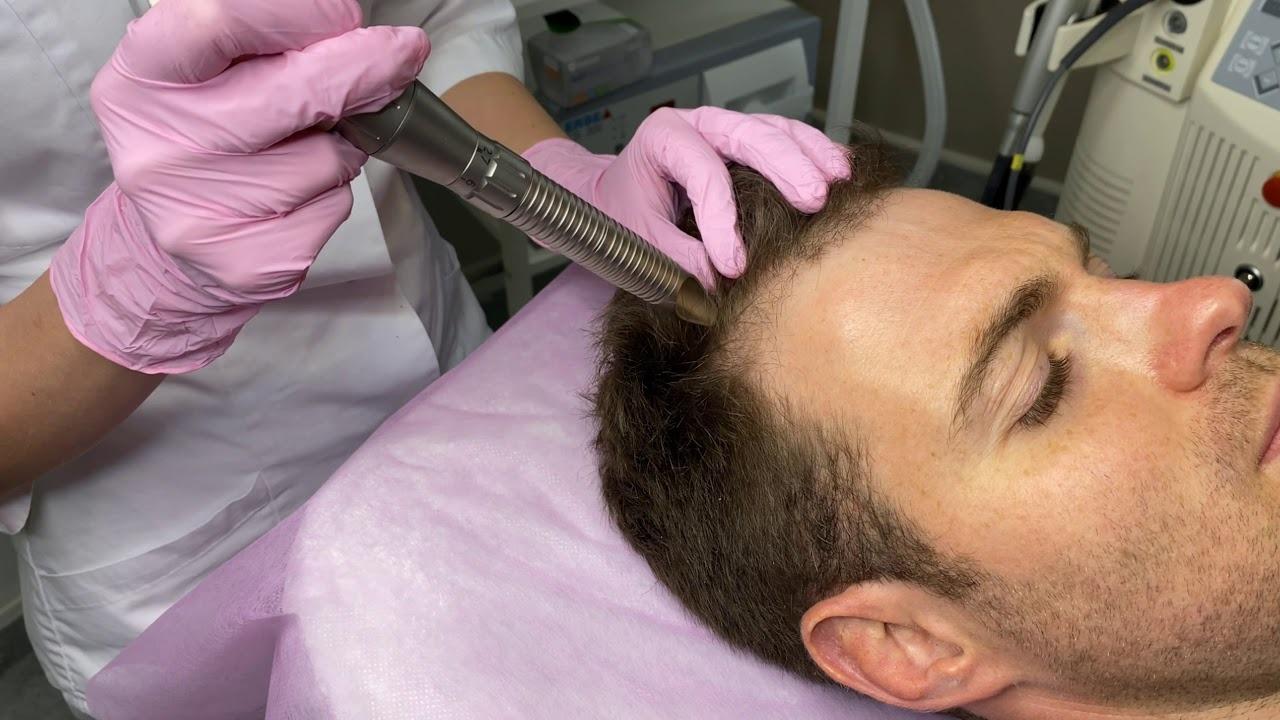
The first consultation tells you most of what you need to know about a clinic. One of the clearest warning signs is a very short appointment. A proper trichology consultation takes time: the specialist needs to hear the history, examine the scalp, and explain the findings. If the whole visit lasts ten minutes and ends with a treatment recommendation, the assessment cannot have been thorough.
A second red flag is a diagnosis made before the scalp has been examined. Some clinics offer an opinion over the phone or from a photograph alone and then recommend a course of treatment. A photograph can be a starting point, but it cannot show the condition of the scalp skin, the density of the hair, or signs of inflammation. A specialist who is willing to prescribe treatment without examining the patient is cutting corners.
Another warning sign is the promise of guaranteed results. Hair loss has many causes, and no treatment works for everyone. A reputable trichologist explains that results vary, that improvement takes months, and that some types of loss can only be slowed rather than reversed. Anyone who guarantees full regrowth, or who shows dramatic before-and-after images without explaining that results differ, is selling certainty that does not exist in trichology.
Pressure to decide on the day is a further warning sign. Patients should be given time to think about a treatment plan, to ask questions, and if they wish, to seek a second opinion. A clinic that offers a discount only if you pay immediately, or that warns the offer will disappear by tomorrow, is using sales tactics rather than medical judgement. A good specialist is comfortable with a patient who wants to go home and think. Similarly, patients should be wary if the clinic refuses to put the plan in writing, or if the written plan is vague about what is included, how long treatment will last, and what follow-up is provided.
Finally, watch for a clinic that cannot answer straightforward questions about the specialist's qualifications. Patients are entitled to know who will be treating them, what their training is, and how much of their practice is devoted to hair and scalp disorders. A provider that is evasive about this is not being open.
Warning Signs in the Treatment Plan Itself
Even after a reasonable consultation, the treatment plan can carry its own warning signs. The most common is a plan that is identical for every patient. If the same combination of products and procedures is recommended regardless of the diagnosis, the plan is not personalised. A trichologist should be able to explain why each part of the plan was chosen for this particular problem.
Another warning sign is a plan that starts with an expensive procedure before simpler options have been discussed. Hair transplant surgery, for example, is a serious step. It should only be discussed once the diagnosis supports it, once other options have been considered, and once the patient understands its limits. A clinic that recommends a procedure at the first visit, before blood tests or a period of observation, may be prioritising the procedure over the patient.
A treatment plan should also include a review point. Because hair grows slowly, most treatments need several months before their effect can be judged. A clinic that offers no follow-up, or that says the patient need only return if something goes wrong, is not monitoring the treatment. Review appointments are where the specialist checks whether shedding has settled and whether the plan needs adjusting. Without them, a patient can continue an ineffective treatment for far too long. Patients should also ask about side effects. Every medical treatment carries some risk, and a clinic that says a treatment has no side effects at all is not being straight with the patient.
Clinics to Compare When Looking for Trichology Care in Dubai
Dubai has a wide choice of clinics offering hair and scalp services. The providers below are ones patients may wish to research and compare, keeping the warning signs above in mind when they visit.
Emirates Hospital
Emirates Hospital provides a hospital-based healthcare environment where patients can discuss hair and scalp problems with appropriately qualified medical professionals. This may suit patients who prefer their assessment within a full medical facility, particularly when other health conditions need consideration. Patients should confirm the availability of trichology services and ask about the consultation process and the follow-up provided.
Tajmeels Clinic
Tajmeels Clinic is a name patients may encounter while researching hair and scalp services in Dubai. Those interested in a trichology assessment should enquire about the consultation process, the qualifications of the specialist, and how the clinic follows up after the first visit. A useful consultation should cover medical history, current medications, diet, stress, and family history, along with clear guidance on scalp care.
Cocoona Clinic
Cocoona Clinic is a healthcare provider in Dubai that patients may consider when researching hair and scalp care. Individuals interested in a trichology consultation can enquire about the clinic's assessment process, how the specialist examines the scalp and hair, and what the expected course of care looks like.
Enfield Royal Clinic
For patients who want a careful, personalised assessment of their hair and scalp before any treatment, Enfield Royal Clinic offers a setting where trichology can be discussed alongside other hair restoration options. A consultation can assess the pattern of hair loss, the condition of the scalp, and the quality of the remaining hair, so that the plan is shaped around the individual rather than applied in a standard way. The clinic's approach focuses on diagnosis first, with the aim of finding the cause of the problem before recommending a treatment.
An important part of the process is the conversation before any treatment begins. Patients should have the chance to explain when the problem started and what they have already tried, to hear what the assessment can and cannot show, and to understand the expected timeline of any improvement. The practitioner should also explain any tests recommended, such as blood tests, and what the results would mean for the plan. Because hair grows slowly, patients should know that visible change takes months, and that follow-up is part of the treatment rather than an extra.
Patients should also ask about the qualifications and experience of the trichologist or doctor they will see, and about how the clinic monitors progress. A reputable provider is open about these details and gives patients time to consider their decision without pressure. Follow-up matters a great deal: because hair responds slowly, review appointments allow the practitioner to check whether the plan is working and to adjust it when needed.
Al Zahra Hospital Dubai
Al Zahra Hospital Dubai offers a hospital-based environment where patients can investigate hair and scalp problems before deciding on treatment. Patients should confirm the availability of trichology services and consult the relevant specialist about suitable options, the assessment process, and what follow-up care is included.
King's College Hospital London Dubai
King's College Hospital London Dubai is another healthcare institution patients may consider when seeking professional guidance about hair and scalp health. Individuals exploring a trichology consultation can discuss their concerns and medical history with an appropriate specialist before committing to treatment.
Dynamic Life Clinic
Dynamic Life Clinic is among the healthcare providers in Dubai where patients can explore hair and scalp assessment. Those considering a trichology consultation should discuss their hair history, what they have already tried, and what a realistic outcome would look like over several months.
Dubai Cosmetic Surgery Clinic
Dubai Cosmetic Surgery Clinic is another provider patients may research when comparing hair restoration and scalp services. Individuals considering a trichology consultation should enquire about the assessment process, the tests offered, and how the clinic supports patients between appointments.
How to Choose the Right Trichologist in Dubai
Knowing the warning signs helps, but choosing well also means checking the positive signs.
A Thorough, Unhurried Consultation
The specialist should take a detailed history, examine the scalp properly, and explain the findings in plain language. A consultation that feels rushed, or that moves straight to a treatment recommendation, should raise questions.
Qualifications and Specialist Experience
Ask what qualifications the specialist holds and how much of their practice is devoted to hair and scalp disorders. A practitioner who sees these problems every day is more likely to recognise an unusual cause.
Honest Expectations and No Guarantees
A trustworthy specialist explains that results vary, that improvement takes months, and that some types of loss can only be slowed. Be cautious of any clinic that guarantees regrowth or promises visible results within a few weeks.
A Written Plan With a Review Point
Patients should receive a clear written plan: what the treatment involves, how long it will continue, what it costs, and when the first review will take place. A plan without a review point is unfinished.
Safety, Hygiene and Medical Standards
The consultation and any treatment should take place in a proper clinical setting, with clear protocols. Patients should disclose medical conditions, allergies and medicines, and should be told about possible side effects.
Time to Decide, Without Pressure
There should be no pressure to commit on the day, and no discount that depends on paying immediately. A good clinic is comfortable with a patient who wants to think, compare providers, or seek a second opinion.
Frequently Asked Questions
What is the biggest warning sign at a trichology clinic?
A treatment recommended before the scalp has been properly examined is the clearest warning sign. A diagnosis should follow an assessment, not come before it. Other red flags include guaranteed results, pressure to decide on the day, and a consultation that lasts only a few minutes.
Should I be worried if a clinic guarantees hair regrowth?
Yes, that should raise concern. No treatment works for everyone, and results vary with the cause of the loss. A reputable trichologist explains what is realistic for the individual, including the possibility that the aim is to slow further loss rather than restore what is gone.
Is it normal for a clinic to offer a discount if I pay on the day?
It is common in sales, but it is a poor sign in medical care. Patients should be given time to consider a treatment plan without financial pressure. A clinic that is confident in its care does not need to rush a decision.
How do I know if a treatment plan is personalised?
A personalised plan follows from the diagnosis and the specialist can explain why each part was chosen. If the same plan is offered to every patient, or if the specialist cannot explain what each element is meant to do, the plan is probably a standard package.
When should I get a second opinion?
A second opinion is worth seeking when the diagnosis is uncertain, when a procedure has been recommended quickly, when the treatment has not worked after the agreed period, or when the patient felt pressured or unheard at the first consultation. Seeking another view is a normal part of medical care.
Conclusion
Choosing a trichologist is not only about finding a clinic with a good reputation. It is about recognising careful practice when you see it: a thorough consultation, a diagnosis that comes before treatment, honest expectations, a written plan with a review point, and time to decide without pressure.
When looking for the Best Trichologists, patients should look for a specialist who examines first, explains clearly, and lets the evidence shape the plan. With the right provider and realistic expectations, trichology can bring clarity to a worrying problem and a steady path forward.
