

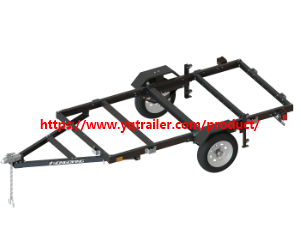

Equipment Trailer Manufacturer selection is an important decision for importers, machinery dealers, rental businesses, and distributors. A purchasing decision should involve more than comparing product photographs or quotation prices. Buyers need to understand how a factory manages material preparation, structural fabrication, component installation, inspection, and export arrangements. Reviewing these details helps purchasing teams determine whether a proposed configuration matches their cargo requirements, towing conditions, and local market expectations.
Examine Factory Capabilities and Production Processes
Before requesting a quotation, buyers should understand how a factory organizes its manufacturing operations. Ask about available cutting, forming, welding, assembly, and surface treatment processes. These operations influence how individual components are prepared and connected during production.
It is also useful to review the production workflow. A clearly organized process should identify the main manufacturing stages, inspection responsibilities, and procedures for handling order changes.
Buyers can request workshop photographs, production videos, or a factory introduction to understand the working environment. If a project involves several models or a large quantity, discuss production scheduling and the factory's ability to coordinate different configurations within the agreed delivery plan.
Review Frame Materials and Structural Design
The frame supports the cargo, so its construction deserves careful attention. Buyers should ask about the steel grade, material dimensions, crossmember arrangement, drawbar design, and connection details.
Different machines create different loading conditions. Compact machinery, wheeled construction units, and larger industrial products may require different deck dimensions and structural arrangements. The proposed design should therefore be evaluated against the actual cargo dimensions and weight.
Welding quality is another important consideration. Ask how welds are prepared, completed, and inspected during fabrication. Buyers may request close-up photographs of key connection areas, including the drawbar, crossmembers, suspension mounting points, and ramp hinges.
A technical drawing can help both parties confirm the structure before production begins. It also provides a reference when reviewing a sample or checking a finished unit.
Check Load Ratings and Component Compatibility
A proposed configuration should be evaluated as a complete system rather than by looking at one component in isolation. Buyers should review the gross vehicle weight rating, axle ratings, empty weight, and available payload capacity.
The payload calculation generally starts with the rated gross vehicle weight minus the unit's empty weight. Buyers should also consider how the loaded unit connects to the towing vehicle and whether the towing setup is suitable for the intended application.
Important components include:
Axles: Check the quantity, rated capacity, and configuration.
Suspension: Review the selected system and its suitability for expected operating conditions.
Tires and wheels: Confirm dimensions and load ratings.
Brakes: Discuss the braking arrangement and destination-market requirements.
Coupler: Verify compatibility with the intended towing setup.
Safety chains: Confirm the supplied arrangement and connection details.
Request a specification sheet showing the selected components. This makes it easier to compare quotations and identify differences between proposed configurations.
Evaluate Deck Layout and Loading Arrangements
The working deck affects how machinery is positioned and secured during transportation. Buyers should measure the cargo, including attachments and accessories, before selecting the platform length and width.
Ramp design also deserves attention. Depending on the application, buyers may consider straight ramps, folding ramps, removable ramps, or other loading arrangements. The choice should reflect the machine's weight, ground clearance, track or wheel layout, and loading environment.
Tie-down locations should be reviewed according to the cargo shape and securement requirements. Buyers can ask for drawings that show the position of D-rings, stake pockets, rub rails, and other available securing features.
For businesses serving different customer groups, discussing several platform configurations may help create a product range for different transport applications.
Review Surface Treatment and Weather Protection
The surface finish affects the unit's appearance and its protection during storage and outdoor operation. Buyers should ask about surface preparation, primer, coating type, and application procedures.
The suitable treatment depends on the operating environment, expected exposure, maintenance arrangements, and project budget. For example, products used in coastal areas or locations where road salt is common may require a different protection plan from those used in dry inland environments.
Request photographs of the surface treatment process and finished components. Buyers should also clarify which areas receive coating and how exposed edges, joints, and other detailed sections are handled.
Confirm Inspection Procedures and Export Documents
A manufacturing proposal should explain how the finished product is checked before shipment. Ask whether the factory records key dimensions, component installations, lighting operation, brake configuration, and other agreed inspection items.
A pre-shipment inspection can be arranged around the approved specifications. Buyers may also prepare a checklist covering appearance, weld condition, accessories, labels, and packaging.
Documentation should be discussed before production is completed. Depending on the destination market and product configuration, relevant records may include:
Product specification sheet
GVWR and axle rating information
VIN and identification details where applicable
Factory inspection records
Lighting and braking information
User instructions and safety labels
Packing list and accessory records
Requirements vary by destination. Buyers should confirm applicable registration, certification, and road-use rules with the relevant local authorities before placing an order.
Discuss Customization and Long-Term Order Planning
Dealers and importers may need different dimensions, colors, platform arrangements, ramps, accessories, or identification details. Prepare a written requirement list and ask which changes can be incorporated into the proposed design.
It is also worth discussing sample approval, minimum order quantities, spare parts, warranty arrangements, production schedules, and communication procedures. Written specifications can reduce misunderstandings when an order includes several configurations.For repeat purchasing, retain the approved drawings, material details, component records, and inspection criteria. These documents give both parties a shared reference when planning later production batches.For distributors and machinery businesses preparing new product ranges, yqtrailer can discuss transport requirements, structural configurations, component choices, and manufacturing arrangements. Buyers can review available models and send their project requirements through https://www.yqtrailer.com/ to discuss product details, customization, quotations, and export order planning.
