

Modern businesses are constantly looking for better ways to improve production quality, reduce manual effort, and achieve accurate results. Advanced cutting technology has made these goals easier to achieve across manufacturing, advertising, signage, and creative industries. Two important solutions in this field are the steel laser cutting machine and the plotter machine. Although both are designed for cutting applications, they perform different tasks and serve different business requirements.
Understanding how these machines work can help businesses select suitable equipment for their production needs. From metal fabrication to customized stickers and promotional graphics, the right cutting technology can improve workflow efficiency and expand creative possibilities.
What Is a Steel Laser Cutting Machine?
A steel laser cutting machine is an advanced industrial system that uses a concentrated laser beam to cut metal materials into specific shapes and designs. The machine follows computer-generated instructions to perform accurate cutting operations.
Fiber laser technology is commonly used for metal cutting because it can process suitable metals with precision and speed. Depending on the machine's specifications, it can handle materials such as mild steel, stainless steel, aluminum, brass, and copper.
These machines are particularly useful for businesses that require detailed metal components and consistent production results.
Key Features of Steel Laser Cutting Machines
Modern laser cutting systems offer several features that support professional manufacturing operations:
-
High cutting accuracy: Computer-controlled movement helps produce detailed shapes and consistent dimensions.
-
Clean cutting edges: Proper laser settings can reduce the need for additional finishing work.
-
Material versatility: Suitable systems can process different types of metal sheets.
-
Automated operation: CNC technology allows operators to follow digital designs.
-
Production efficiency: Automated cutting can reduce manual handling and support faster workflows.
How Does a Steel Laser Cutting Machine Support Different Industries?
Metal cutting technology plays an important role in industries where accurate components and customized designs are required.
Metal Fabrication and Manufacturing
Manufacturing businesses use laser systems to produce metal parts, brackets, panels, and other components. Digital cutting helps maintain consistent dimensions across repeated production tasks.
Architecture and Interior Decoration
Decorative metal panels, customized partitions, and architectural elements often require detailed cutting patterns. Laser technology allows manufacturers to create intricate designs with controlled precision.
Automotive and Engineering Applications
Engineering workshops can use suitable laser cutting systems to manufacture metal components and prototypes. Accurate cutting helps maintain design requirements during production.
Signage and Advertising
Businesses involved in commercial signage can use metal cutting technology to create letters, decorative signs, display components, and customized branding elements.
What Is a Plotter Machine and How Does It Work?
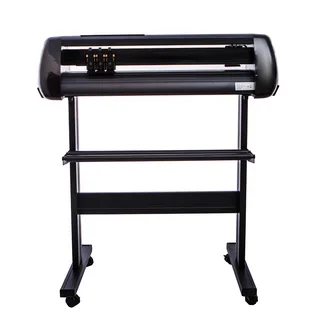
A plotter machine is a computer-controlled cutting device designed to produce shapes, lettering, graphics, and patterns from compatible materials. Unlike a steel laser cutting machine, which uses laser energy to process metal, a cutting plotter generally uses a physical blade to cut materials such as vinyl, stickers, heat-transfer media, paper, and other compatible sheets.
The machine receives digital designs from specialized software and follows the required cutting paths. This makes it useful for businesses involved in printing, advertising, garment customization, and packaging.
Common Applications of a Plotter Machine
A modern plotter machine can support various commercial and creative applications.
-
Vinyl lettering: Creating customized text for shop signs, windows, and vehicles.
-
Sticker production: Cutting decorative stickers, labels, and product graphics.
-
Garment customization: Preparing heat-transfer vinyl designs for clothing and promotional apparel.
-
Advertising materials: Producing logos, branding elements, and promotional graphics.
-
Packaging designs: Creating decorative elements and cutting patterns for compatible packaging materials.
Why Is Choosing the Right Plotter Machine Important?
Selecting suitable cutting equipment is essential for maintaining production quality. Different businesses have different material requirements, design complexities, and daily workloads.
Before choosing a plotter machine, consider the following factors:
Cutting Accuracy
Precision is important when producing small lettering, detailed graphics, and complicated shapes. A machine with reliable tracking and cutting capabilities can help maintain design consistency.
Material Compatibility
Not every plotter supports every material. Businesses should identify the materials they regularly use and select equipment designed for those applications.
Cutting Width and Workload
The working area should match the size of the designs and materials being processed. Businesses handling continuous production may also benefit from automatic feeding capabilities.
Software Compatibility
Cutting software plays an important role in transferring designs from a computer to the machine. Compatible software helps operators prepare artwork and manage cutting operations efficiently.
Steel Laser Cutting Machine vs. Plotter Machine: What Is the Difference?
Although both machines support digital cutting, their operating methods and applications are different.
The main differences include:
-
Cutting technology: Laser machines use focused laser energy, while plotters generally use mechanical cutting blades.
-
Material applications: Steel laser cutting machines process suitable metals, whereas plotters commonly handle vinyl, stickers, paper, and heat-transfer materials.
-
Industry requirements: Laser systems support metal fabrication and industrial manufacturing, while plotters are widely used in advertising, printing, and customization.
-
Production methods: Laser cutting is suitable for metal components, whereas plotter cutting is designed for flexible and sheet-based materials.
Understanding these differences helps businesses avoid selecting equipment that does not match their actual production requirements.
How Can TMC Tech Help Businesses Choose Suitable Cutting Equipment?
Choosing the right production machine requires an understanding of materials, applications, and operational requirements. TMC Tech provides different machine solutions for businesses working in manufacturing, advertising, printing, and customization.
Its product range includes fiber laser metal cutting machines, laser cutting and engraving machines, vinyl cutting plotters, and automatic feeding cutting plotters.
Businesses can explore these categories according to their specific applications. For example, a fiber laser metal cutting machine can support suitable metal fabrication tasks, while a vinyl cutting plotter can help produce stickers, labels, lettering, and advertising graphics.
TMC Tech also offers solutions for businesses looking to develop their digital production capabilities and improve their cutting workflows.
Final Thoughts
Modern cutting technology has created new opportunities for businesses across different industries. A steel laser cutting machine is a valuable solution for accurate metal fabrication, while a plotter machine supports creative cutting applications involving vinyl, stickers, labels, and other compatible materials.
The best choice depends on the materials, production requirements, and applications of a business. By understanding the capabilities of each machine, businesses can make informed equipment decisions and develop more efficient production processes. Exploring reliable solutions from TMC Tech can be a useful starting point for businesses looking to upgrade their cutting and manufacturing operations.
