

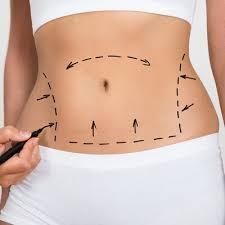

Choosing the right Liposuction Surgery in Dubai procedure is an important step for people who want to improve specific body contours and address stubborn fat deposits. However, not every liposuction technique is suitable for every individual. Body shape, fat distribution, skin elasticity, medical history, and personal expectations all influence which approach may be appropriate.
Liposuction is a body-contouring procedure designed to remove localised fat deposits from selected areas. It is not a weight-loss treatment or a substitute for healthy lifestyle habits. Understanding the available options and receiving a professional assessment can help individuals make informed decisions about liposuction surgery in Dubai.
Understand Your Body Contouring Goals
The first step in choosing a suitable liposuction procedure is identifying the areas you want to address. Some individuals experience stubborn fat around the abdomen, while others notice unwanted fullness around the thighs, hips, arms, back, or chin.
Your treatment goals should be realistic and focused on improving body proportions rather than achieving a particular number on the weighing scale.
For example, someone concerned about abdominal fullness may require a different surgical approach from someone looking to improve the appearance of their upper arms. Identifying the target areas helps a qualified surgeon evaluate the available options.
Consider Different Liposuction Techniques
Several liposuction techniques are available, and each uses a different method to loosen and remove unwanted fat. The most appropriate technique depends on individual anatomy, treatment areas, and clinical considerations.
Traditional Liposuction
Traditional liposuction involves inserting a thin tube called a cannula through small incisions to remove fat deposits. It may be considered for different body areas, depending on the patient's suitability and treatment objectives.
VASER Liposuction
VASER liposuction uses ultrasound energy to help separate fat cells before their removal. It may be considered for selected patients who want more defined body contours. Suitability depends on fat distribution, skin condition, and the desired outcome.
Laser-Assisted Liposuction
Laser-assisted liposuction uses laser energy to help disrupt fat cells before removal. The technique may be considered for specific treatment areas following a medical assessment.
Power-Assisted Liposuction
Power-assisted liposuction uses a specialised vibrating cannula to assist fat removal. It can help surgeons work with targeted fat deposits, depending on the treatment plan.
No technique is universally better than another. A qualified surgeon should explain the potential benefits, limitations, and risks of each suitable option.
Evaluate Skin Elasticity Before Choosing a Procedure
Skin elasticity plays an important role in body-contouring results. After fat removal, the skin needs to adapt to the body's new contours. Individuals with good skin elasticity may experience better natural skin retraction.
However, people with significant loose skin may not achieve their desired appearance through liposuction alone. In some situations, an additional procedure designed to remove excess skin may be discussed.
Age, previous weight changes, pregnancy, genetics, and natural skin quality can influence elasticity. A professional examination helps determine whether liposuction alone is appropriate.
Match the Procedure to Your Target Body Area
Different body areas have different anatomical characteristics. Therefore, treatment planning should consider the location, amount, and depth of unwanted fat.
Common liposuction treatment areas include:
-
Abdomen: For selected fat deposits around the upper and lower abdominal areas.
-
Flanks: To address localised fullness around the waist and sides.
-
Thighs: To improve the appearance of selected inner or outer thigh fat deposits.
-
Arms: To address unwanted fat around the upper arms.
-
Back: To target specific fat deposits around the upper or lower back.
-
Chin and neck: To address suitable localised fat beneath the chin.
The same technique may not be appropriate for every body area. A surgeon considers anatomical differences, skin quality, and safety when recommending a treatment approach.
Review Your Health and Medical History
Choosing liposuction involves more than selecting a technique based on appearance. General health and medical history are essential considerations.
During the assessment, the surgeon may review existing medical conditions, medications, previous surgeries, allergies, smoking habits, and any factors that could affect healing.
Individuals should also discuss their weight stability and lifestyle habits. Significant weight fluctuations after surgery may affect long-term body contours because remaining fat cells can increase in size.
Patients should provide accurate medical information so the surgical team can evaluate potential risks and determine whether the procedure is appropriate.
Understand Recovery and Expected Results
Recovery is another important factor when comparing liposuction options. Healing experiences vary according to the technique, treatment area, amount of fat removed, and individual health.
Temporary swelling, bruising, tenderness, and discomfort are common after liposuction. Compression garments may be recommended to support healing and help manage swelling.
Patients should follow their surgeon's instructions regarding physical activity, wound care, follow-up visits, and returning to normal routines.
It is also important to understand that final body contours may take several months to become visible as swelling gradually decreases. Results vary, and liposuction cannot guarantee perfectly symmetrical contours or prevent future weight changes.
How Tajmeels Clinic Approaches Liposuction Planning
At tajmeels clinic dubai, liposuction planning should begin with an individual assessment of body proportions, fat distribution, skin elasticity, medical background, and personal expectations. Understanding these factors helps guide discussions about suitable treatment techniques and targeted body areas.
Patients can discuss their concerns, recovery expectations, and desired improvements during their consultation. A personalised approach helps ensure that treatment recommendations are based on individual clinical needs rather than selecting a procedure simply because it is popular.
The focus should remain on patient safety, realistic expectations, appropriate surgical planning, and clear communication throughout the treatment journey.
Questions to Ask Before Choosing Liposuction
Before proceeding with surgery, consider discussing these questions with your surgeon:
-
Which liposuction techniques are suitable for my body type?
-
Will my skin elasticity affect the expected results?
-
Are there any medical factors that could increase my surgical risks?
-
What recovery period should I expect?
-
Could I require an additional procedure to address loose skin?
-
How will my progress and healing be monitored?
These questions can help you understand the procedure and make a more informed decision.
Conclusion
Choosing the right liposuction procedure requires careful consideration of body shape, fat distribution, skin elasticity, health status, and personal goals. Traditional, VASER, laser-assisted, and power-assisted techniques offer different approaches to fat removal, but suitability varies from person to person.
A professional consultation is the best starting point for understanding your options. With an individualised treatment plan, realistic expectations, and appropriate medical guidance, patients can make informed decisions about liposuction surgery in Dubai.
More Information
Tajmeels Clinic Dubai
WhatsApp: +971 56 203 8751
Phone: tel:+971 43739000
Social Media:
