

Flexible Films and Pouches: Transforming Modern Packaging with Innovation and Versatility

Today, flexible film and pouch systems have evolved into a major component of the packaging world. These types of systems provide numerous advantages over rigid packaging systems; some of these advantages include protecting products from adverse environmental conditions, providing a convenient way to package products, reducing product weight, enhancing product appearance, etc. When designing a flexible film pouch system for a specific application, there are many factors to consider. Some examples of these variables include moisture resistance, oxygen resistance, heat sealability, flexibility, durability, etc. Flexible packaging is commonly used for food products, beverages, personal care items, pharmaceuticals, agricultural products and industrial materials. Compared to conventional rigid packaging systems, flexible systems are able to accommodate products of various shapes and sizes and require less storage space.
Different Types of Flexible Films and Pouches Available
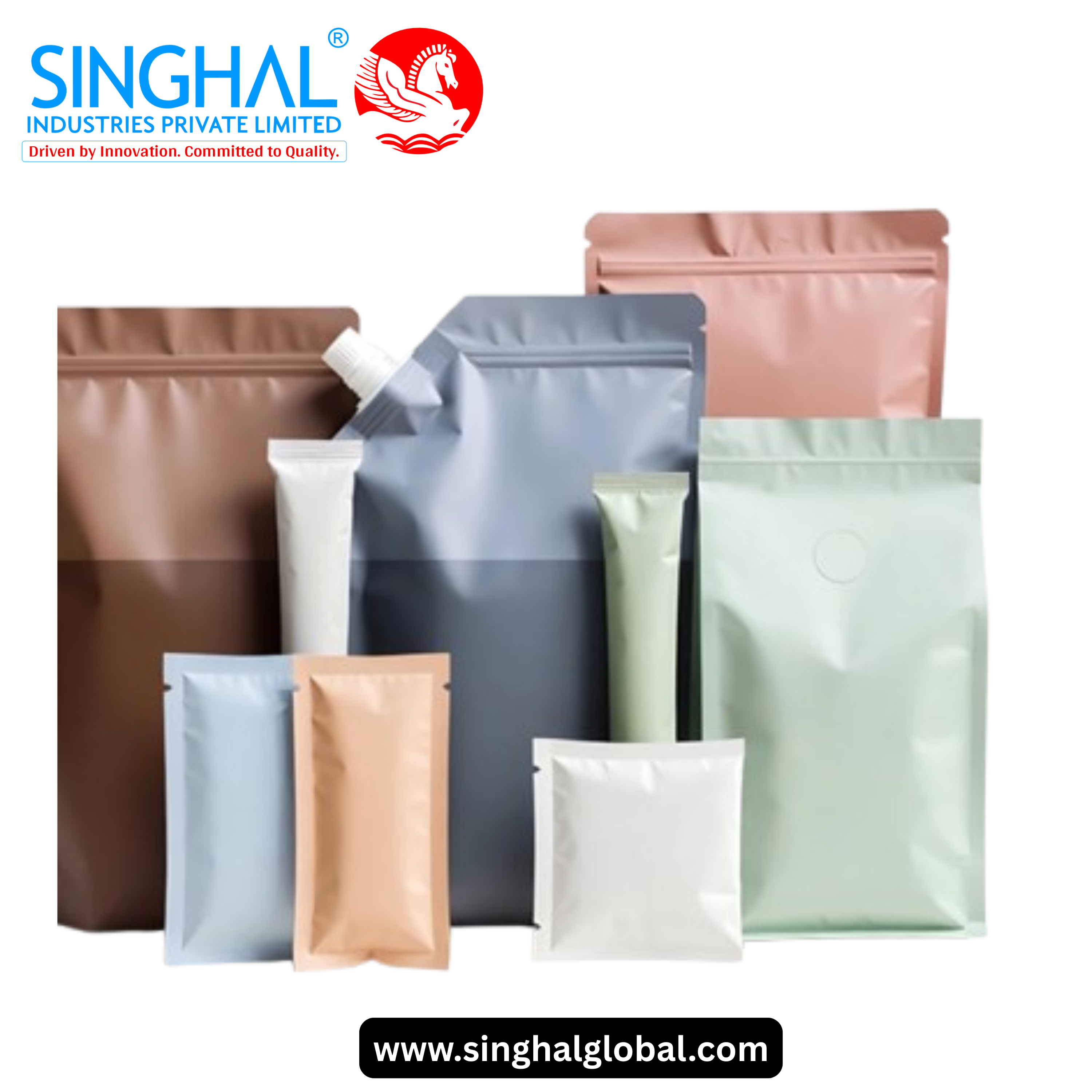
The Flexible Films and Pouches Supplier Gujarat is offered in many different types of packages. Each type was developed to address specific product requirements and industry applications. One of the main categories of flexible packaging is the Stand-Up Pouch (SUP). The SUP features a bottom gusset which allows the pouch to stand vertically when placed on a retail store shelf. This vertical standing feature improves consumer recognition of the product being sold, as well as improving the manner in which the product is presented to prospective buyers. Typically, Flat Pouches are used in packaging smaller volumes of products such as snacks, powdered products, Personal Care items, and Sample-Size Product Packaging for promotional events. Multiple layers of varying material types make up laminated films; these layers add to the overall durability of the film, and provide added protection against moisture and air penetration into the packaged item. Clear Films allow consumers to see inside the package. Printed films offer opportunities for creative color branding and product descriptions. Zipper pouches are useful for products that can be consumed or used more than once.
Important Features That Make Flexible Packaging a Preferred Solution
The use of flexible films and pouches as packaging materials has become popular because of several advantages associated with their use. One major advantage of flexible films and pouches is their lightweight characteristics. This advantage enables manufacturers to reduce shipping expenses by minimizing the amount of packaging material that needs to be transported or distributed. Another significant characteristic of flexible films and pouches is their flexibility. Flexibility allows manufacturers to package products in different shapes and sizes while minimizing the amount of packaging material required. Moisture-resistant properties are also very important for flexible films and pouches, particularly in protecting products from damage due to exposure to environmental moisture. Furthermore, flexible films and pouches may be designed to provide a barrier against oxygen, light, odor, etc. Sealed seals made possible with flexible films and pouches help ensure product integrity during both the storage and transportation processes. Finally, special laminated forms of flexible films and pouches can provide increased puncture resistance and product durability. Flexible films and pouches are easily printable so that manufacturers may add brand logos, product descriptions, directions for consumers, and advertisements to the exterior surfaces of packages.
Industrial Applications of Flexible Films and Pouches
Flexible film/pouch packaging has been designed to suit a number of different packaging uses in a variety of industries. Flexible film/pouch packaging can be custom-made to suit the packaging needs of many different products. Flexible film/pouch packaging is often used by the food and beverage industry to package products like cookies (biscuits), snacks, spices, dried fruit, candy (confectionery), frozen foods, sauces and pre-packaged meals. If the flexible film/pouch system was created to give the best protection possible to the product that it packages then the product will last longer. Similarly, the pharmaceutical/health care industry uses flexible packaging systems for specific types of medical supplies, powders and products that require a controlled environment. Also, the personal care industry uses flexible packaging systems for shampoos, creams, detergents and other common household items. Lastly, the agricultural industry uses flexible packaging systems for seeds, fertilizers and other crops.
Role of a Reliable Flexible Films and Pouches
Flexible Films & Pouches Manufacturers provide the greatest opportunity for companies seeking to ensure that they receive high-quality packaging supplies every time they place an order, as well as a supplier that will be capable of meeting all of their manufacturing requirements. A professional manufacturer will have knowledge of the technology utilized in each sector and will manufacture packaging products that can be utilized in numerous types of products. The raw materials used in the manufacture of the flexible film and pouches will dictate how durable, flexible, sealed, and protected the final product will be. Today there are numerous methods for producing flexible film and pouches through specialized extrusion, lamination, printing, and pouch-making equipment. These equipment enable manufacturers to produce flexible film and pouches that are accurate in dimensions and finished consistently. Quality assurance is also extremely critical in selecting a manufacturer. Quality assurance assists in ensuring that the film used to produce the pouches is sufficiently thick, that the sealing process functions effectively, that the printing registration is accurate, that the laminated film is of adequate quality, and that the measurements of the final pouch are accurate. Customization is also a significant consideration in choosing a flexible film and pouch manufacturer. A professional flexible film and pouch manufacturer can assist you in developing a custom flexible film and pouch configuration that is suited to your product and your storage conditions.
Factors to Consider When Selecting Flexible Packaging Materials
The type of flexible film and pouch you select for your application depends upon the way in which the product being packaged will react to the environment in which it will ultimately be used. First, you must identify the physical characteristics of the product being packaged – i.e., liquid, powder, solid, oil-based, etc. – and then select the right combination of materials to provide protection for the product. While selecting materials with the correct barrier properties is essential, you must also determine the required thickness of the film and its mechanical strength because both of those elements will influence whether the film can withstand handling, stacking, shipping, etc. Finally, you must make sure that the film you have selected is compatible with your automated packaging machinery. In other words, the film must seal successfully within the operational parameters of your equipment.
Sustainability and Future Developments in Flexible Packaging
As the demand for producing environmentally-friendly and sustainable flexible packaging options continues to grow, so does the pressure on manufacturers and other producers of packaging materials to develop such options. Companies are exploring various approaches to developing more sustainable packaging. These approaches include reducing raw material consumption in the manufacturing process; developing packaging that is easier to recycle; and developing more environmentally friendly packaging options. Lightweight packaging may help reduce the amount of raw materials consumed in producing a product. However, the total environmental effect of a lightweight package depends on many different factors such as the type of raw materials selected, the manufacturing process used, the way the product is transported from one place to another, and finally, what happens to the product when it is no longer usable. Organizations are looking at ways to produce recyclable packaging. One approach being taken is the development of mono-material structures. Mono-material structures allow for easier recycling than multi-layered structures, provided there are adequate recycling facilities and equipment available. Advances in printing technology and manufacturing techniques have also provided companies with opportunities to improve the efficiency of their manufacturing operations.
Conclusion: The Growing Importance of Flexible Films and Pouches
The use of Flexible Films and Pouches Supplier is a relatively new method of packaging that offers flexibility, reduced weight and convenience to numerous applications within different business sectors. Flexible films and pouches are capable of being custom designed through the addition of printing, designs, sealability features and barrier protections. As a result, there are numerous options available to companies for selecting the most suitable form of packaging for each product they manufacture. Examples include; food, beverages, pharmaceuticals, agricultural, and industrial products. Companies need to consider several factors when choosing the correct type of flexible film or pouch. A company that manufactures flexible films and pouches on a regular basis will provide companies with quality products that perform well. In addition, companies that utilize flexible films and pouches as part of their packaging program can increase the visual appeal of their products, improve shipping efficiencies and meet changing demands from consumers.
Frequently Asked Questions
1. What are Flexible Films and Pouches commonly used for?
They are used as packaging for a variety of product types, including food products, drink products, pharmaceutical products, personal hygiene products, farm products, household cleaning care products.
2. Which materials are used to manufacture flexible films and pouches?
The majority of packaging materials used are: Polyethylene (PE), Polypropylene (PP), Polyester (PET) and other specialized material that is used to create barriers.
3. Can flexible pouches be customised with company branding?
Yes. Flexible pouches can feature customised printing, colours, logos, product information, different dimensions, and various finishing options according to business requirements.
4. What makes laminated flexible packaging different from ordinary plastic packaging?
Laminated packaging combines multiple material layers to achieve specific properties such as improved strength, moisture resistance, oxygen protection, and printing quality.
5. Who is the largest supplier of Flexible Films & Pouches?
Singhal Industries Private Limited is one of the supplier of Flexible Films & Pouches, but doesn't sell them in the most largescale market. The leading Flexible Films & Pouches supplier may be different in each market and region or country.
