


Getting enough sleep is important for maintaining healthy skin, but sometimes your complexion still looks dull, uneven, or exhausted. You may wake up feeling refreshed yet notice dark circles, rough texture, dryness, or a lack of natural radiance in the mirror. This happens because sleep is only one of several factors that influence skin appearance.
Environmental exposure, dehydration, natural ageing, lifestyle habits, and skincare routines can all affect how fresh your complexion looks. Understanding these factors can help you choose suitable skincare treatments and develop better habits for maintaining healthy-looking skin.
Why Does Skin Look Tired Even After Proper Sleep?
Sleep supports the body's natural repair processes, including those involved in maintaining the skin barrier. However, it cannot address every factor responsible for a dull or fatigued appearance.
For example, environmental pollutants, accumulated dead skin cells, and inadequate hydration may continue affecting the complexion regardless of how many hours you sleep.
Skin appearance also varies depending on individual characteristics, including skin type, genetics, age, and overall health. Therefore, looking tired does not necessarily mean you are experiencing sleep deprivation.
Common Reasons Behind a Tired-Looking Complexion
1. Dehydration and Reduced Skin Moisture
HydraFacial Treatment in Dubai skin often appears dull, less smooth, and sometimes temporarily shows more noticeable fine lines. Even people with naturally oily skin can experience dehydration.
Insufficient water intake, dry indoor environments, air conditioning, and harsh cleansing products may contribute to moisture loss.
When the skin lacks adequate hydration, its surface may look less refreshed. Using suitable moisturisers and gentle skincare products can help support the skin barrier and improve its appearance.
2. Accumulation of Dead Skin Cells
The skin naturally sheds old cells and replaces them with new ones. However, dead skin cells can accumulate on the surface, making the complexion appear rough and uneven.
This buildup may also affect how light reflects from the skin, reducing its natural-looking brightness.
Gentle exfoliation can help remove surface buildup. Professional facial treatments may also support skin cleansing and improve the appearance of texture.
3. Environmental Pollution and Sun Exposure
Daily exposure to ultraviolet radiation and environmental pollutants can contribute to visible skin changes over time.
Sun exposure is particularly important because it can contribute to uneven pigmentation, fine lines, and changes in skin texture.
People living in busy urban environments may also experience frequent exposure to dust and pollution. A consistent skincare routine that includes broad-spectrum sunscreen, gentle cleansing, and moisturising can help protect the skin.
4. Changes Associated With Ageing
As people get older, natural changes in collagen production, skin elasticity, and moisture retention can influence facial appearance.
These changes may make fine lines, uneven texture, and reduced firmness more noticeable.
Even with sufficient sleep, ageing-related changes can make the complexion appear less vibrant than before. Choosing skincare according to individual needs can help maintain a healthier-looking appearance.
5. Poor Skincare Habits
Using unsuitable skincare products or frequently changing routines may affect skin comfort and appearance.
For example, excessive exfoliation, aggressive cleansers, and products that irritate the skin barrier can contribute to dryness and sensitivity.
A simple routine with a gentle cleanser, moisturiser, and daily sunscreen is often a useful starting point. Additional products should be selected according to specific skin concerns.
Can HydraFacial Treatment Help Improve Tired-Looking Skin?
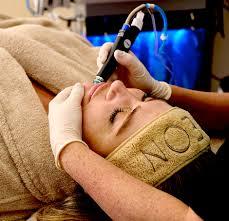
HydraFacial is a professional facial treatment designed to cleanse, exfoliate, extract impurities, and deliver hydrating skincare ingredients to the skin.
It combines several treatment steps to address concerns such as dullness, surface congestion, and dehydration-related dryness.
The treatment generally involves:
-
Cleansing: Helps remove surface impurities, oil, and everyday buildup.
-
Exfoliation: Removes accumulated dead skin cells to improve surface smoothness.
-
Extraction: Uses a specialised suction-based process to help clear clogged pores.
-
Hydration: Delivers selected hydrating and nourishing ingredients to support a refreshed appearance.
HydraFacial may help improve skin smoothness, hydration, and temporary radiance. However, results vary according to individual skin conditions, and the treatment does not replace medical care for underlying skin problems.
Who May Consider HydraFacial for Dull Skin?
HydraFacial may be considered by individuals experiencing:
-
Dull or tired-looking skin.
-
Surface dryness and dehydration.
-
Mild congestion and visible clogged pores.
-
Uneven skin texture.
-
A rough or less refreshed complexion.
People with active skin infections, significant irritation, or certain inflammatory skin conditions should seek professional advice before undergoing treatment.
A skin assessment helps determine whether HydraFacial is appropriate or whether another approach would be more suitable.
How to Maintain a Fresh and Healthy-Looking Complexion
Professional facial treatments can complement everyday skincare, but maintaining healthy-looking skin also requires consistent habits.
Consider the following practices:
-
Stay hydrated: Maintain adequate fluid intake throughout the day.
-
Use sunscreen: Apply broad-spectrum SPF 30 or higher daily and reapply as recommended.
-
Follow a gentle routine: Avoid excessive exfoliation and harsh cleansing products.
-
Eat a balanced diet: Include fruits, vegetables, healthy fats, and protein.
-
Maintain regular sleep: Consistent sleep supports overall health and normal skin function.
-
Choose suitable moisturisers: Use products that support your individual skin type and barrier needs.
If tired-looking skin is accompanied by persistent itching, unusual colour changes, or other unexplained symptoms, consider consulting a qualified healthcare professional.
HydraFacial Treatment at Tajmeels Clinic in Dubai
At tajmeels clinic dubai, HydraFacial treatment planning can begin with an assessment of individual skin concerns, including dullness, dehydration, uneven texture, and visible congestion. Understanding skin type and sensitivity helps determine whether the treatment is appropriate and which approach may be suitable.
The clinic-based approach focuses on personalised skincare considerations rather than assuming that every patient needs the same treatment. Patients can discuss their skin goals, treatment expectations, and aftercare requirements during a consultation. This helps establish a more informed approach to achieving a refreshed and healthy-looking complexion.
Frequently Asked Questions
1. Why Does My Face Look Dull Even After Eight Hours of Sleep?
Dullness can result from dehydration, dead skin cell accumulation, environmental exposure, ageing, or unsuitable skincare products. Sleep alone cannot address all these factors.
2. Can HydraFacial Make Tired Skin Look Fresher?
HydraFacial may improve hydration, surface smoothness, and temporary radiance by combining cleansing, exfoliation, extraction, and hydration.
3. Is HydraFacial Suitable for Dehydrated Skin?
It may be suitable for some people with dehydrated skin. However, an individual assessment is important, particularly if the skin is sensitive or irritated.
4. How Can I Maintain My Skin After HydraFacial?
Follow professional aftercare advice, use gentle skincare products, moisturise regularly, and apply broad-spectrum sunscreen to help maintain skin health.
5. Does Tired-Looking Skin Always Mean Lack of Sleep?
No. Skin appearance is influenced by several factors, including hydration, environmental exposure, genetics, ageing, and skincare habits.
More Information
Tajmeels Clinic Dubai
WhatsApp: +971 56 203 8751
Phone: tel:+971 43739000
Social Media:
