

How Does French Drain Installation Fix Yard Flooding in Gonzales, LA, and Improve Outdoor Water Management?
Yes. French drain installation in Gonzales, LA can help fix recurring yard flooding by collecting excess water below the surface and directing it toward a suitable discharge area. It is especially useful when water keeps collecting in low spots, leaves parts of the yard saturated, or flows toward areas where it can cause problems.
Gonzales has real stormwater and flooding concerns. The City of Gonzales identifies flood risk and stormwater flow as ongoing priorities, while LSU AgCenter guidance explains that French drains can move excess water away from saturated landscape areas. This guide explains how French drain systems work, when they make sense, how they compare with other drainage options, and what local property owners should consider before installation.
How French Drain Installation Helps With Yard Flooding
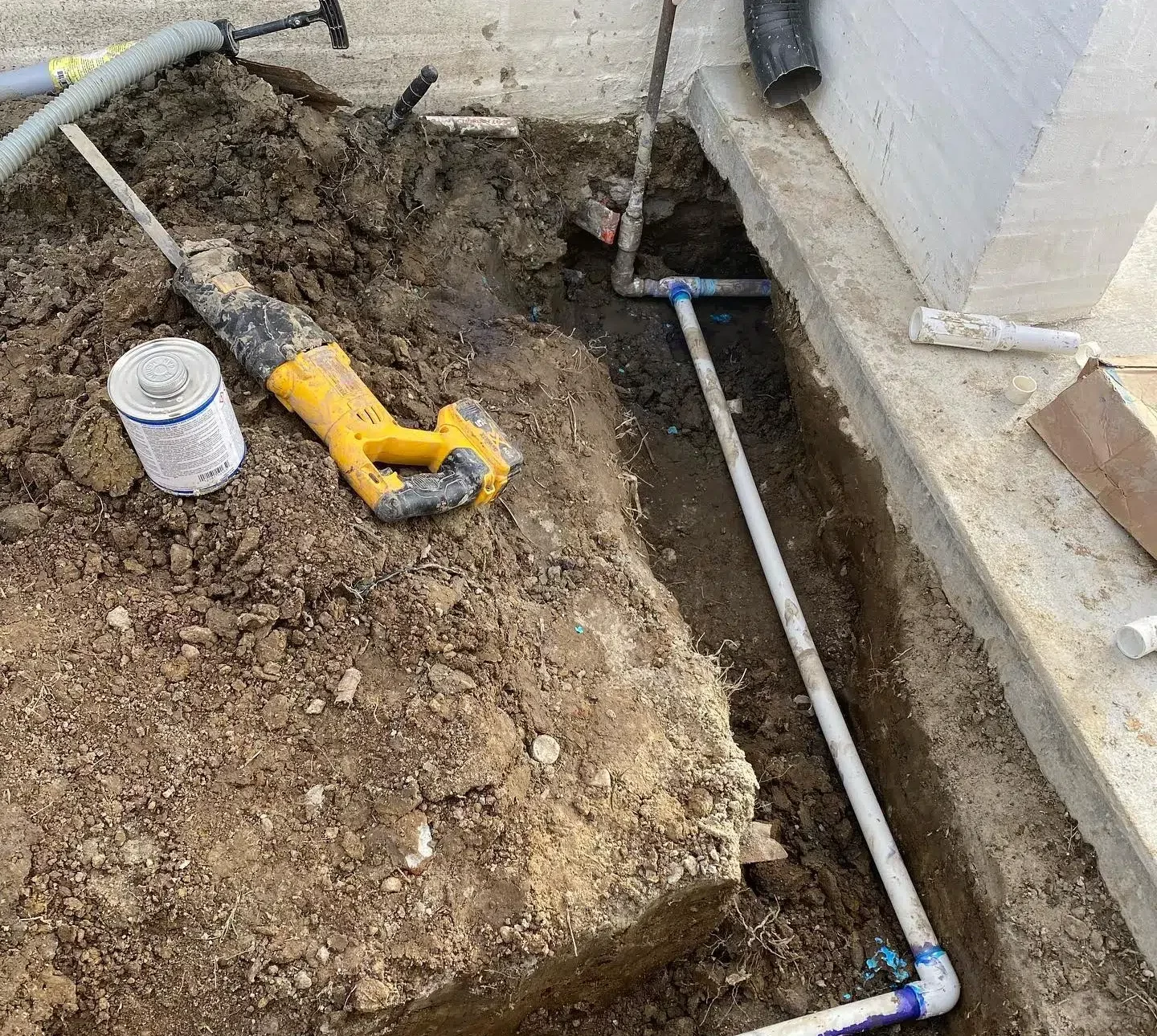
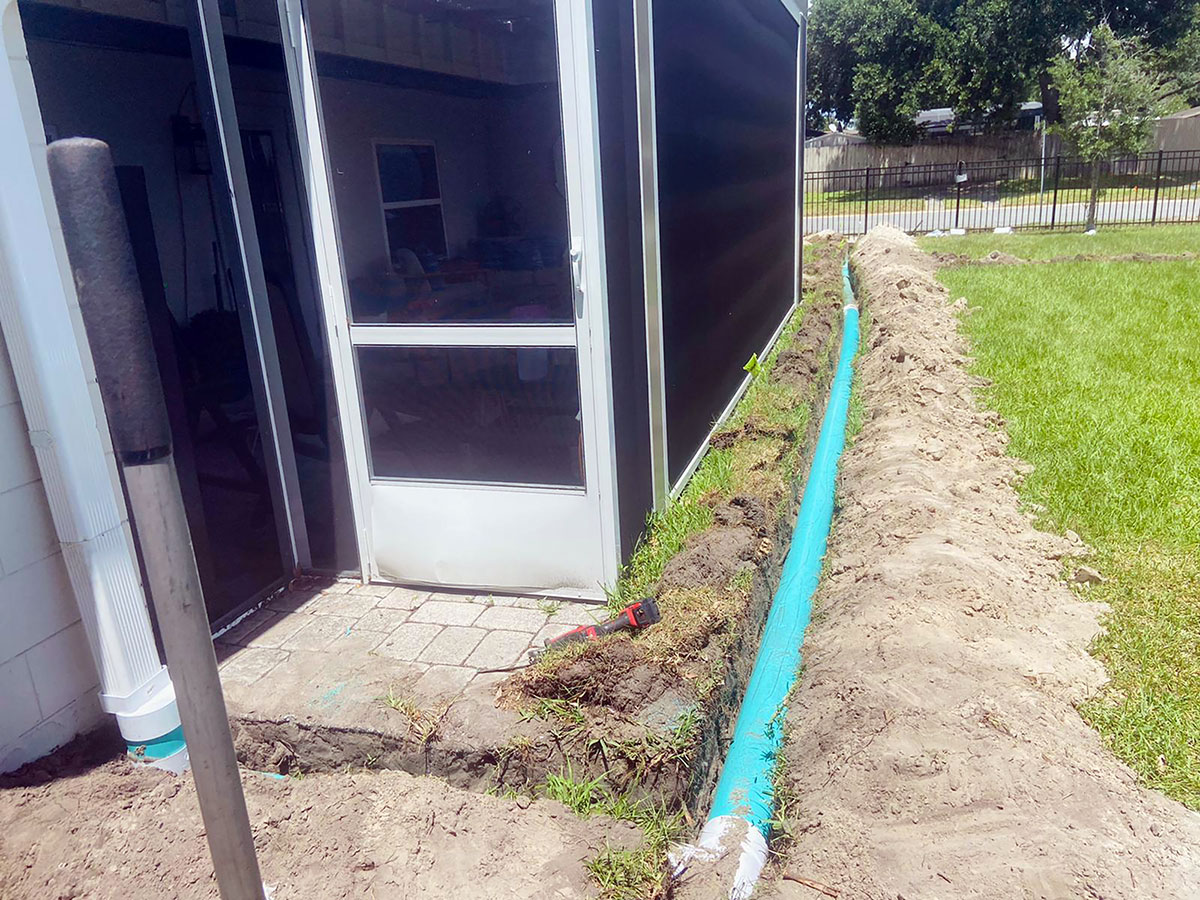
A French drain is an underground drainage system made with a gravel-filled trench and perforated pipe. Water enters through the surrounding gravel and moves into the pipe, which carries it toward a planned outlet or dispersal area.
LSU AgCenter recommends studying the property's low spots, ponding areas, stormwater flow paths, topography, and locations where excess water could create problems. LSU AgCenter's guide to installing and maintaining a French drain
A properly planned system can help with:
-
Standing water: It gives water collecting in low areas a controlled path out of the saturated zone.
-
Wet soil: Subsurface drainage can reduce the amount of excess water remaining in the soil.
-
Runoff problems: Water from roofs or other hard surfaces can sometimes be directed into an appropriate drainage line.
-
Problem areas: A drain can help move water away from walkways, planting areas, and other parts of the landscape that should remain usable.
For Gonzales properties, the drainage destination matters just as much as the trench itself. Excess water should not simply be redirected toward a neighboring property.
What Goes Into A French Drain System?
French drain installation involves more than digging a trench and burying a pipe. The system needs the right materials, slope, location, and discharge plan.
According to the LSU AgCenter's French drain installation guide, a typical French drain trench is about 12 to 18 inches wide and 18 to 24 inches deep, with a perforated pipe commonly around 4 inches in diameter and washed gravel around the pipe. Geotextile fabric can help keep surrounding soil from filling the gravel and reducing drainage capacity.
|
Component |
Purpose |
|
Perforated pipe |
Collects and carries water through the drainage route |
|
Washed gravel |
Creates space for water to reach the pipe |
|
Geotextile fabric |
Helps limit soil movement into the gravel |
|
Drainage grate |
Can collect surface water in a low area |
|
Outlet or dispersal point |
Gives collected water a planned place to go |
Before excavation, Louisiana homeowners should also have underground utilities marked. LSU AgCenter specifically recommends contacting 811 before breaking ground.
Benefits Of Residential French Drains
A French drain can be a practical yard flooding solution when the problem comes from excess water collecting or moving through the landscape.
Key benefits include:
-
Better water runoff management: The system creates a defined underground route instead of allowing water to spread across the yard.
-
Less standing water: Moving excess water away from low areas can make those spaces more usable after rainfall.
-
Protection for landscape areas: Drainage can help reduce prolonged saturation around plants, walkways, and other outdoor features.
-
Flexible landscape integration: The drain can be covered with soil and grass or finished with gravel, depending on the property and design.
The biggest benefit comes from matching the system to the actual cause of the flooding. A French drain is not automatically the right answer for every wet yard.
Pros And Cons Of French Drain Installation
French drains can solve persistent drainage issues, but they also involve excavation and planning.
Pros
-
They can move excess water away from saturated areas without leaving an open ditch across the yard.
-
They can be integrated with lawns, planting beds, gravel paths, and other landscape features.
-
They can work with other drainage components when one system alone is not enough.
Cons
-
Installation requires excavation and can temporarily disturb turf or planting areas.
-
The system needs a suitable location where collected water can be discharged or dispersed.
-
Poor design, insufficient slope, or clogged materials can reduce drainage performance.
-
Existing underground utilities must be identified before digging.
The LSU AgCenter's French drain installation and maintenance guide also recommends routine inspection of inlet and outlet points and clearing debris when needed.
Common Yard Flooding Problems In Gonzales
Heavy rainfall can quickly expose drainage problems in Gonzales yards. Common issues include:
-
Water pooling in the same low spots after rain.
-
Saturated soil around lawns, walkways, or landscape beds.
-
Runoff flowing toward areas where it should not collect.
-
Muddy yard areas that remain difficult to use.
The right drainage solution depends on where the water comes from and where it can safely go.

How Gonzales Weather Affects Drainage
Heavy rainfall can expose drainage weaknesses quickly. Gonzales' climate and relatively flat landscape can make stormwater management an important part of residential property planning. A city climate plan identifies high storm and flood risk and notes that Gonzales' interconnected waterways and flat topography can extend the effects of heavy rainfall.
For that reason, property owners should pay attention to what happens during and immediately after significant rain.
Observing the yard during a storm can reveal:
-
Where water first begins collecting.
-
Which direction runoff travels.
-
How long the soil stays saturated.
-
Whether water approaches the home, walkway, driveway, or landscape beds.
That information can help determine whether French drain installation, grading, catch basins, or another yard drainage installation makes more sense.
Is R-Value Relevant To A French Drain?
No. R-value is used to describe resistance to heat flow through insulation. It does not measure the performance of French drains, underground drainage pipes, or other water-management systems.
For this topic, drainage capacity, pipe placement, soil conditions, slope, gravel, filtration, and the discharge location are more relevant factors.
Why Consider All Seasons Landscaping & Lawn Care?
All Seasons Landscaping & Lawn Care offers drainage services alongside excavation, landscaping, sod installation and repair, irrigation systems, lawn and landscape maintenance, hardscaping, and storm cleanup.
They can consider how a drainage project fits with the rest of the outdoor space instead of treating the drain as an isolated feature. For a property with damaged lawn areas, grading concerns, or landscape features affected by standing water, related landscaping and excavation work may also be part of the overall solution.
Conclusion
French drain installation can help manage recurring yard flooding when excess water is collecting in saturated areas and needs a controlled underground path. The most important part is proper planning, including the water source, drainage route, slope, materials, and final discharge point.
For Gonzales properties, local flood and stormwater conditions make good drainage planning especially important. A properly designed French drain system can become part of a broader water runoff management plan when the site calls for it.
Get Help With Yard Drainage In Gonzales
Property owners dealing with standing water, saturated soil, or recurring runoff can contact Al ql Seasons Landscaping & Lawn Care to discuss drainage options.
Email: [email protected]
Phone: (225) 276-8658
For additional technical guidance, the LSU AgCenter guide to installing and maintaining a French drain provides detailed information on site planning, materials, installation, and maintenance.
FAQs About French Drain Installation In Gonzales, LA
Can A French Drain Handle Water From Multiple Areas?
Yes, but the system must be properly sized and planned for the amount of water entering it. Multiple wet areas may require several collection points.
How Long Does A French Drain Last?
Its lifespan depends on materials, soil conditions, installation quality, water volume, and maintenance. Keeping inlets and outlets clear can help maintain performance.
Can Tree Roots Damage A French Drain?
Yes. Roots can interfere with underground drainage components, especially near mature trees. Careful placement can reduce this risk.
Can A French Drain Stop All Yard Flooding?
No. Severe runoff, poor grading, or a lack of a suitable discharge point may require additional drainage solutions.
Author & Reviewer
Author: I’m Aaron Ulery, owner of All Seasons Landscaping & Lawn Care, with 20 years of experience transforming outdoor spaces. I combine quality materials, thoughtful design, and skilled craftsmanship to create landscapes that remain beautiful over time. My approach brings these elements together to create outdoor spaces that look attractive, function well, and deliver lasting value to residential properties. I shape every landscape with care, using quality materials, thoughtful design, and skilled craftsmanship to help ensure the finished space stays beautiful and delivers value for years to come.
Reviewer: Sophie Williams looked over this post and brought 7 years of field experience to her suggestions, helping ensure the content stays relevant to business owners and practical for everyday use.
